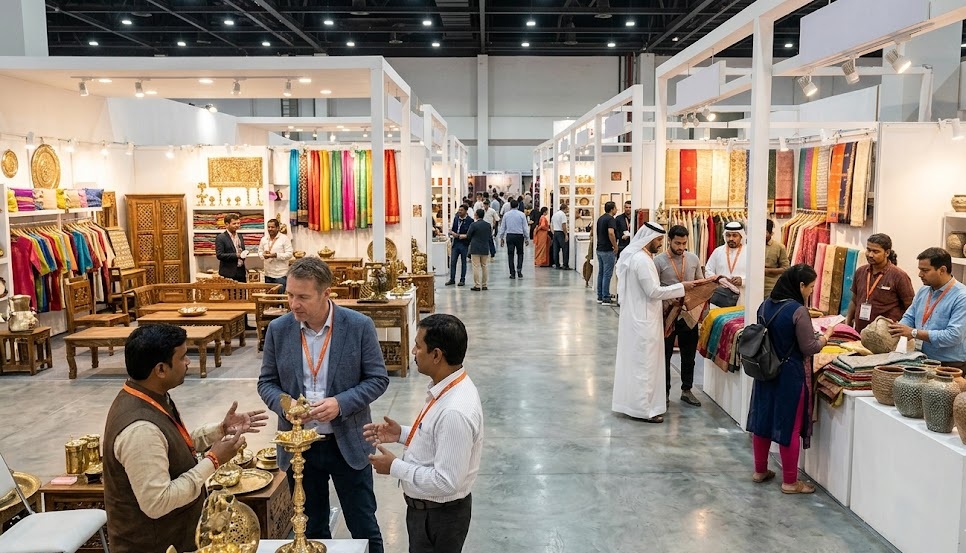
Indian handicrafts are no longer confined to local markets or tourist demand—they are increasingly showcased on global stages, where international buyers evaluate them as premium, design-driven, and culturally significant products.
Events like the IHGF Delhi Fair 2026, organized by the Export Promotion Council for Handicrafts (EPCH), have brought together over 3,000 exhibitors and buyers from more than 100 countries, signaling a clear shift: Indian crafts are now competing—and succeeding—within global lifestyle, fashion, and interior design markets.
For buyers, this trend is critical. It highlights which crafts are gaining traction internationally and which products are worth prioritizing based on demand, adaptability, and authenticity.
Why Global Trade Fairs Matter For Craft Buyers
Trade fairs act as real-time indicators of market demand. Unlike retail trends, which can be influenced by marketing, these events reflect what international buyers are actually sourcing in bulk.
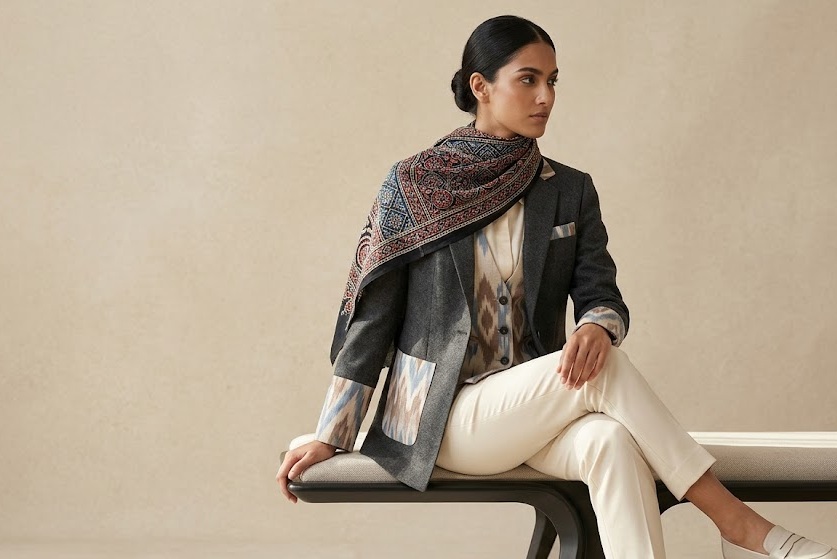
At recent global exhibitions, Indian crafts have stood out for three reasons:
- Strong emphasis on handmade authenticity
- Alignment with sustainability trends
- Ability to adapt traditional designs to modern use
This has transformed Indian handicrafts from niche cultural items into globally competitive design products.
Key Craft Categories Gaining Global Attention
Across recent trade fairs, several craft categories have consistently attracted international buyers.
| Craft Category | Key Regions | Global Appeal |
|---|---|---|
| Handloom Textiles (Ikat, Ajrakh) | Gujarat, Telangana | Sustainable, versatile fabrics |
| Wooden Furniture & Carvings | Rajasthan, Uttar Pradesh | Eco-friendly, artisanal design |
| Metal Crafts (Dhokra, Brassware) | Chhattisgarh, Tamil Nadu | Cultural symbolism, durability |
| Blue Pottery | Rajasthan | Decorative, lightweight ceramics |
| Handcrafted Home Decor | Pan-India | Interior design compatibility |
These categories succeed because they balance authentic craftsmanship with practical usability, making them suitable for both retail and design-focused markets.
The Rise Of Textile-Based Exports
Textiles have emerged as one of the strongest performers in international markets. Buyers are particularly drawn to:
- Natural dye fabrics
- Handwoven textiles
- Lightweight, easy-to-ship products
Ajrakh, Ikat, and Kalamkari have seen increased demand due to their eco-friendly processes and distinctive patterns.
For buyers exploring these categories, understanding authentic Ajrakh fabric characteristics is essential to ensure that the product matches the quality seen at global exhibitions.
Why Sustainability Is Driving Demand
One of the most significant shifts observed at global trade fairs is the prioritization of sustainability. International buyers are actively seeking products that demonstrate:
- Low environmental impact
- Use of natural materials
- Ethical production practices
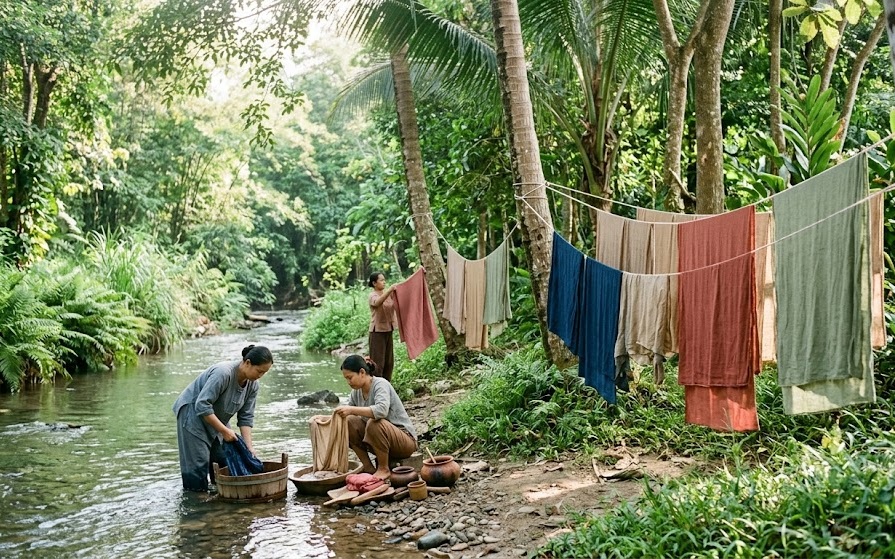
Indian crafts naturally align with these requirements due to their reliance on manual processes and traditional techniques.
This has positioned them as ideal products for markets focused on eco-conscious consumption, particularly in Europe and North America.
How Design Adaptation Is Expanding Market Reach
Another major trend is the adaptation of traditional crafts into modern design formats.
Instead of selling purely traditional items, artisans and exporters are now offering:
- Contemporary home decor using traditional techniques
- Minimalist furniture with handcrafted detailing
- Textile products designed for global interiors
This evolution allows Indian crafts to maintain authenticity while becoming more accessible to international buyers.
Pricing Trends And Export Positioning
Products showcased at global fairs often reflect export-level pricing, which differs significantly from local market rates.
| Product Type | Domestic Price Range | Export Market Range |
|---|---|---|
| Handloom Textiles | ₹500 – ₹2,500 | $30 – $150 |
| Wooden Decor | ₹1,000 – ₹10,000 | $50 – $300 |
| Brassware | ₹500 – ₹5,000 | $40 – $200 |
| Blue Pottery | ₹300 – ₹3,000 | $25 – $120 |
This pricing difference is driven by:
- Quality control standards
- Design adaptation
- Packaging and export readiness
For buyers, this reinforces the importance of understanding value beyond price, especially when sourcing internationally.
Challenges Buyers Should Be Aware Of
Despite growing global demand, several challenges remain:
- Imitation products entering export channels
- Mislabeling of machine-made goods as handmade
- Lack of transparency in sourcing
These risks make it essential for buyers to focus on verification, material quality, and seller credibility.
Where To Track Authentic Craft Trends Globally
To stay informed about authentic craft trends and export developments, buyers can refer to platforms like the UNESCO Intangible Cultural Heritage initiative, which documents and promotes traditional crafts and cultural practices worldwide.
Such sources provide valuable insight into which crafts are gaining recognition and why, helping buyers make informed decisions.
Why This Trend Matters For Future Buyers
The increasing presence of Indian crafts at global trade fairs signals a long-term shift. These products are no longer positioned as souvenirs—they are becoming mainstream design elements in global markets.
For buyers, this creates:
- Early access to emerging craft trends
- Opportunities to invest in high-value artisan products
- Greater need for knowledge and authenticity verification
As demand continues to grow, buyers who understand these dynamics will be better equipped to identify authentic, high-quality crafts with lasting value.