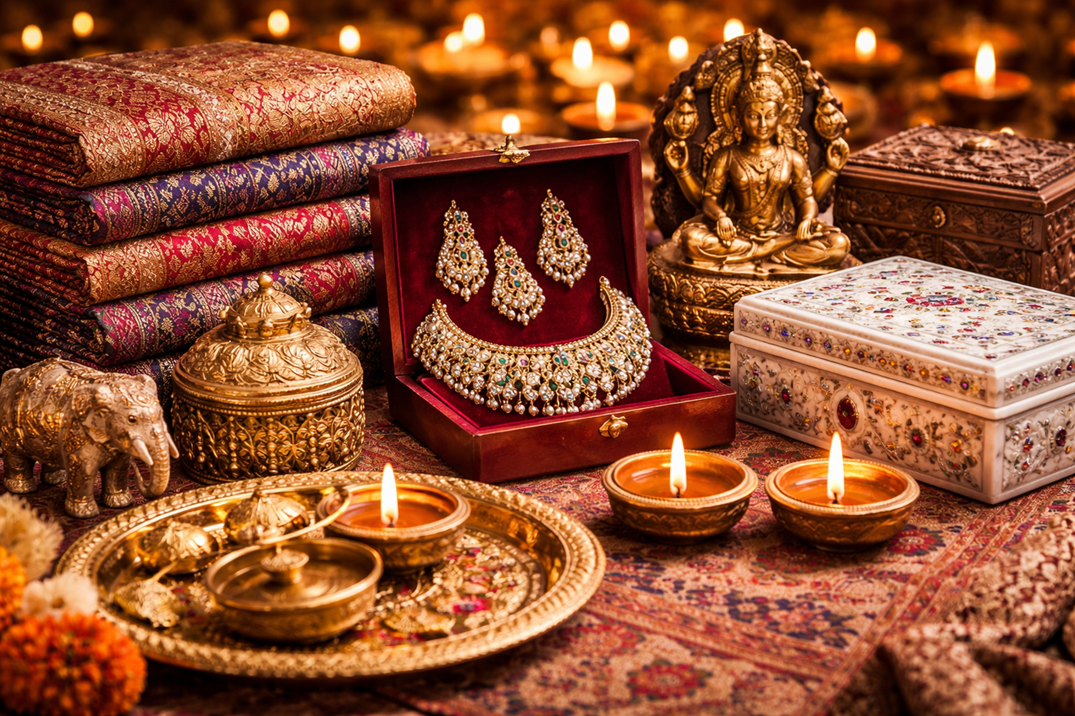
Indian weddings are deeply rooted in symbolism, tradition, and cultural expression. Gifting, in this context, is not just ceremonial—it reflects respect, prosperity, and long-term goodwill. While modern gift registries and luxury items are becoming more common, there is a strong resurgence of interest in traditional Indian handcrafted wedding gifts that carry deeper meaning and lasting value.
For buyers, the challenge lies in selecting gifts that are not only beautiful but also authentic, culturally appropriate, and meaningful to the occasion. This guide explores the best traditional craft categories for wedding gifting, along with practical insights on authenticity and buyer suitability.
Why Handcrafted Gifts Hold Cultural Value In Weddings
In Indian wedding traditions, gifts often symbolize blessings for prosperity, harmony, and abundance. Handcrafted items naturally align with these values because they are:
- Created with time and skill
- Rooted in regional heritage
- Often associated with ritual or domestic use
Unlike mass-produced items, handcrafted gifts carry a sense of permanence and cultural continuity, making them especially appropriate for weddings.
As more buyers seek meaningful alternatives to generic gifting, traditional crafts are becoming a preferred choice for both domestic and international wedding celebrations.
Silver And Meenakari Jewelry For Timeless Gifting
Jewelry remains one of the most valued wedding gifts, particularly when it combines artistry with cultural significance. Silver jewelry and Meenakari work—especially from regions like Varanasi and Rajasthan—offer a refined and traditional option.
These pieces are often chosen because they:
- Represent prosperity and auspiciousness
- Hold long-term financial and sentimental value
- Can be passed down across generations
Gulabi Meenakari, in particular, has gained attention for its delicate enamel work and collector appeal, making it suitable for premium wedding gifting.
Brassware And Ritual Gift Sets
Brass and metal crafts are among the most culturally aligned wedding gifts due to their connection with rituals and household traditions.
Common options include:
- Pooja thalis
- Decorative diyas
- Idols of Lakshmi and Ganesha
- Temple bells
These items are not only symbolic but also functional, often becoming part of the couple’s daily or festive rituals.
Authentic brassware typically shows signs of hand-finishing and carries a noticeable weight, distinguishing it from lighter, machine-made alternatives.
Handwoven Textiles And Heritage Fabrics
Textiles are one of the most versatile and widely accepted wedding gifts in India. However, the value lies in choosing authentic, region-specific fabrics rather than generic materials.
Popular options include:
- Banarasi silk sarees
- Kanjivaram silk textiles
- Ajrakh and Kalamkari fabrics
- Handwoven shawls and dupattas
| Textile Type | Best For | Buyer Appeal |
|---|---|---|
| Banarasi Silk | Bridal gifting | Luxury and heritage |
| Kanjivaram Silk | South Indian weddings | Durability and prestige |
| Ajrakh / Kalamkari | Contemporary gifting | Artistic and cultural value |
For buyers comparing silk options, understanding Banarasi and Kanjivaram silk differences can help ensure the gift matches regional preferences and expectations.
Marble Inlay And Decorative Art Pieces
Marble inlay work, particularly from Rajasthan, offers a premium gifting option that blends artistic craftsmanship with durability.
These items are often chosen for:
- Home décor gifts
- Statement pieces for new households
- Long-lasting decorative value
Because of their intricate detailing and labor-intensive production, authentic marble crafts are positioned as high-value, collector-grade gifts.
Wooden Handicrafts And Carved Furniture Pieces
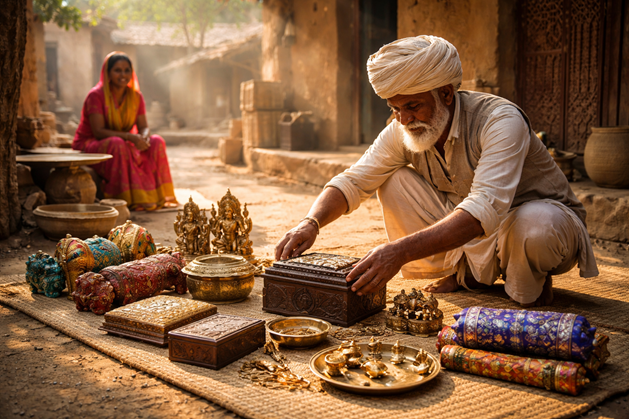
Wooden crafts provide a wide range of gifting options, from small decorative items to functional furniture pieces. Regions like Saharanpur are known for intricate wood carving and design work.
Ideal for:
- Budget-friendly gifting
- Utility-based gifts
- Decorative household items
These products are especially useful when buyers want to balance authenticity with practicality, making them suitable for both close family and extended wedding networks.
Comparing Traditional Wedding Gift Crafts
Choosing the right gift depends on budget, relationship to the couple, and intended use. Here’s a simplified comparison:
| Craft Category | Cultural Value | Price Range | Longevity | Best For |
|---|---|---|---|---|
| Jewelry | Very High | High | Very Long | Close family |
| Brassware | High | Low to Mid | Long | Ritual gifting |
| Textiles | High | Mid to High | Long | Universal gifting |
| Marble Art | High | High | Very Long | Premium gifts |
| Wooden Crafts | Moderate | Low to Mid | Medium | Practical gifting |
This comparison helps buyers align their choice with both cultural expectations and budget considerations.
How To Ensure Authenticity When Buying Wedding Gifts
As demand for traditional crafts increases, so does the presence of imitation products. Buyers should focus on authenticity to ensure the gift retains its intended value.
Key indicators include:
- Clear mention of regional origin
- Visible signs of handcrafting (slight irregularities)
- Material transparency
- Seller credibility
For broader awareness and verification, organizations like the Development Commissioner for Handicrafts support authentic artisan products and provide insight into traditional craft practices.
Ultimately, authenticity is not just about quality—it’s about ensuring the gift reflects true cultural and artisan value.
Choosing Gifts Based On Relationship And Occasion
Not all wedding gifts need to serve the same purpose. Buyers should consider their relationship with the couple and the context of the gift.
- Close family: Jewelry, premium textiles, marble art
- Friends: Decorative crafts, textiles, lacquerware
- Corporate or extended networks: Brassware, utility-based gifts
This approach ensures that the gift feels both appropriate and meaningful, rather than generic.
Why Traditional Crafts Are Making A Comeback In Weddings
Recent trends show a renewed interest in heritage-based gifting, driven by cultural pride, sustainability, and global appreciation for handmade products.
For weddings, this shift is particularly significant. It reflects a move away from disposable gifting toward items that:
- Last longer
- Carry cultural meaning
- Support artisan communities
As Indian weddings continue to evolve, traditional crafts are not being replaced—they are being repositioned as premium, meaningful choices.