Category: Authenticity and Buying Guides

  • Traditional Textiles Of Gujarat: What Buyers Should Know

    Traditional Textiles Of Gujarat: What Buyers Should Know

    Gujarat stands as one of India’s richest textile regions, where craftsmanship is deeply tied to identity, geography, and community traditions. From intricate bandhani tie-dye to complex patola weaving, each textile reflects centuries of refined technique and cultural storytelling.

    For buyers, Gujarat offers exceptional variety—but also complexity. Understanding how these textiles differ in technique, durability, and authenticity is essential to making informed purchases, especially when shopping online or internationally.
    Why Gujarat

    … Read the rest
  • Is Your Kanjivaram Real? Zari, Korvai, and Motif Markers

    Is Your Kanjivaram Real? Zari, Korvai, and Motif Markers

    In a market full of fake items, a big question is on everyone’s mind. How do you know your silk is real? The cost is high, both in money and cultural value.

    A real Kanjivaram saree is made in Kanchipuram, India. It takes hundreds of hours to make. It starts with pure mulberry silk, known for its bright shine and durability. This silk is mixed with zari, threads … Read the rest

  • Authentic Pashmina 101: Fiber Tests, Weave, and Certification

    Authentic Pashmina 101: Fiber Tests, Weave, and Certification

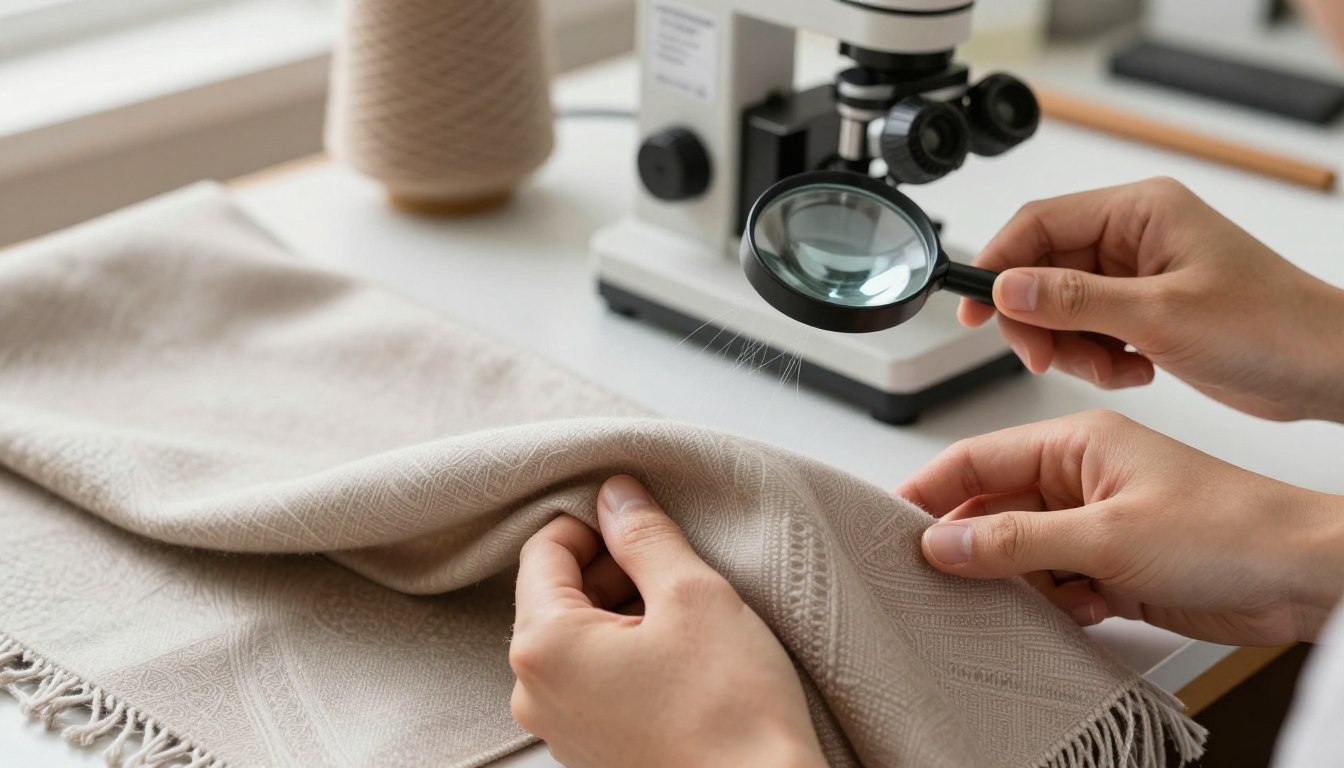
    Exploring luxury wraps can be tricky. Many fakes are out there, even for those who know what to look for. Knowing about pashmina authenticity is more than just saving money. It’s about respecting a tradition.

    This guide is here to help. We break down how to check for real pashminas into three key areas. These are fiber tests, weave analysis, and certification marks.

    Each area shows a part of … Read the rest

  • Banarasi Silk vs Kanjivaram Silk: Differences In Weave, Weight And Price

    Banarasi Silk vs Kanjivaram Silk: Differences In Weave, Weight And Price

    Among India’s most prestigious textile traditions, Banarasi silk and Kanjivaram silk stand out for their craftsmanship, cultural significance, and enduring value. Both are GI-tagged fabrics associated with ceremonial wear, especially weddings, yet they differ significantly in weaving techniques, texture, durability, and pricing.

    For buyers, collectors, and gift shoppers, understanding these differences is essential—not only to choose the right saree but also to ensure authenticity when purchasing online or abroad.

    This … Read the rest

  • Spotting Fakes: Banarasi, Kanjivaram, and Pashmina—A Side‑by‑Side Checklist

    Spotting Fakes: Banarasi, Kanjivaram, and Pashmina—A Side‑by‑Side Checklist

    The luxury textile market can be confusing. Many beautiful shawls and saris claim heritage status but are actually clever imitations.

    Choosing a counterfeit has real consequences. You risk significant financial loss and get an item of inferior quality. Most importantly, you miss the chance to own a genuine heirloom piece.

    Simple tests, like the burn test for silk, are often misleading. They don’t provide the full picture needed for confident … Read the rest

  • How to Verify GI Tags and Craft Provenance Before You Buy

    How to Verify GI Tags and Craft Provenance Before You Buy

    In the world of luxury crafts and goods, a Geographical Indication (GI) tag is more than a label. It’s a legal right that shows a product comes from a specific place. This tag ensures the product has unique qualities found only in that area.

    For smart buyers or investors, this tag is a strong legal shield. It keeps traditional knowledge safe and helps local makers. It also helps buyers find … Read the rest

  • How To Verify Authentic GI-Tagged Crafts When Buying Online

    How To Verify Authentic GI-Tagged Crafts When Buying Online

    Buying Indian handicrafts online has become easier than ever. From handwoven textiles to traditional pottery, thousands of products representing India’s regional heritage are now available through digital marketplaces. However, the convenience of online shopping also creates a challenge: distinguishing authentic crafts from mass-produced imitations.

    Geographical Indication (GI) tags help address this issue by certifying that certain products originate from a specific region and follow traditional production methods. For buyers interested … Read the rest

  • GI-Tagged Indian Crafts By State: The Complete Buyer’s Reference

    GI-Tagged Indian Crafts By State: The Complete Buyer’s Reference

    India’s craft traditions are deeply tied to geography. From textiles woven in historic temple towns to pottery shaped in desert communities, many Indian crafts are strongly associated with the regions where they originated. To protect these traditions, India uses the Geographical Indication (GI) tag, a certification that links a product to its place of origin and traditional production methods.

    For buyers, understanding GI-tagged crafts helps ensure authenticity. These tags … Read the rest

  • GI‑Tagged Indian Crafts by State: The Essential Buyer’s List

    GI‑Tagged Indian Crafts by State: The Essential Buyer’s List

    Imagine finding a pair of sandals that look amazing. Then, you find out a big fashion brand copied its design. This shows how much the world values real, protected art from India.

    A Geographical Indication (GI) tag is more than a label. It’s a legal proof of where something comes from. It keeps unique items safe by linking them to a place’s traditions. For buyers, it means you’re getting the … Read the rest