Geographical Indication (GI) tags have increasingly moved beyond bureaucratic certification and into the public consciousness, reshaping how buyers perceive and value Indian handicrafts. In early 2026, several government‑sponsored campaigns and innovative public platforms have taken GI awareness out of trade circles into everyday spaces, helping consumers connect with heritage products rooted in region, identity, and authenticity.
This shift matters because GI tags—once viewed as technical legality—are now actively influencing buying behavior, helping buyers understand provenance, avoid imitations, and invest in meaningful, traceable crafts.
How Public Platforms Are Making GI Tags Visible
Traditional awareness of GI tags was mostly limited to trade fairs and artisan communities. But recent public campaigns are radically changing that dynamic.
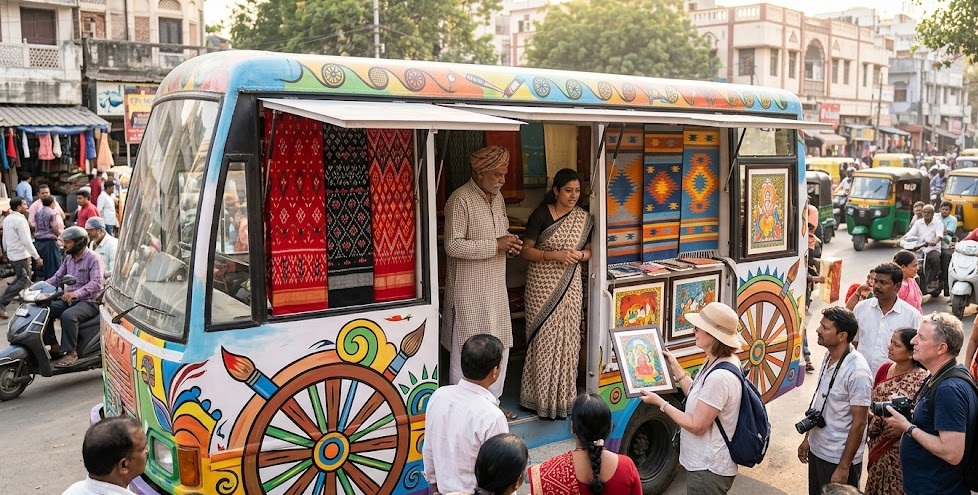
In February 2026, Telangana Governor Jishnu Dev Varma launched “GI on Wheels,” an initiative that transforms public buses into moving billboards celebrating 6 prominent GI‑tagged crafts from the state, including Pochampally Ikat, Warangal Dhurries, Karimnagar Silver Filigree, Narayanpet Sarees, Cheriyal Scroll Paintings, and Nirmal Paintings. The buses, decorated with vibrant craft motifs, traverse towns and villages, turning daily transport into cultural advocacy. This approach brings heritage crafts right into the public’s line of sight, especially in regions where artisan work is part of everyday life rather than boutique markets.
By strategically placing GI‑tag messaging in public spaces, this initiative extends awareness beyond niche craft buyers, building familiarity among a broader population—many of whom may only encounter these crafts during festivals or tourism.
Why Awareness Drives Buying Confidence
The GI tag is a legal certification that ties a product’s qualities, reputation, and cultural identity to its specific geographic origin. But what good is legal protection if buyers don’t recognize or trust it?
Public awareness campaigns help bridge that gap in two ways:
- Education on craft identity: Buyers begin to associate products with place and tradition rather than generic “handmade” status.
- Reduction of imitation risk: As recognition grows, so does buyers’ ability to spot imitations or factory replicas that misuse traditional names.
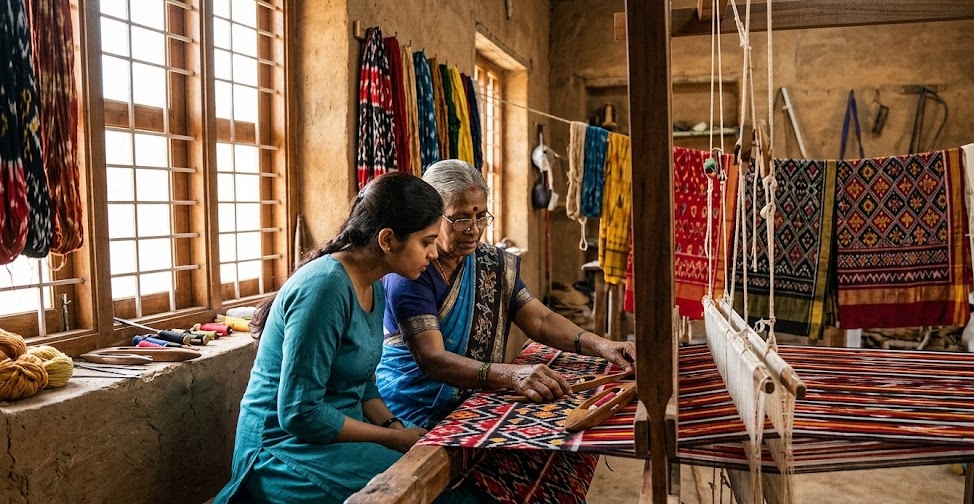
For example, buyers learning that Pochampally Ikat is a GI‑tagged handwoven textile are more likely to value it over similar “ikat” fabrics without documented origin, making provenance an active part of the buying decision.
This kind of awareness is particularly impactful when paired with transparent e‑commerce listings and verified seller information, where GI status is clearly indicated.
Government Promotion And Institutional Backing
Government initiatives for GI awareness extend beyond mobile campaigns. The Ministry of Textiles, under the Handloom Marketing Assistance (HMA) and National Handloom Development Programme (NHDP), actively supports GI registrations, seminars, exhibitions, and export promotions. As of August 2025, 106 handloom products and 227 handicraft products had secured GI status under the GI Act, 1999. These items are regularly showcased at export fairs and events like GI & Beyond: Virasat Se VikasTak, aimed at global audiences, while workshops across India help artisans understand the value and enforcement of GI protection.
These efforts help embed GI recognition into the global marketing ecosystem, ensuring buyers not only see GI tags but understand their significance in pricing, quality assurance, and cultural heritage.
How Awareness Is Changing Consumer Behavior
As GI visibility increases, buyers are becoming more discerning. Several trends are emerging:
- Preference for certified authenticity: Products with GI tags are increasingly seen as premium investments because they promise verifiable origin and technique.
- Higher willingness to pay: Buyers—including collectors and global customers—are more willing to invest in crafts with documented heritage and GI certification.
- Informed comparison: Consumers compare products not just on aesthetics, but on origin, listing transparency, and cultural value.
These shifts are fueling not just sales within India, but also demand from international customers seeking sustainable, artisanal goods with verifiable heritage.
Case Studies: GI Awareness In Action
Public platforms are also amplifying awareness through culturally resonant moments. In April 2026, Indian actress Genelia Deshmukh donned a GI‑tagged cobalt blue saree inspired by traditional block prints and weaving, capturing public attention and linking GI products with modern cultural identity. The sartorial choice resonated beyond craft circles, illustrating how GI tags can become part of broader cultural narratives.

Meanwhile, states with robust GI ecosystems, like Gujarat, which has secured 28 GI tags (including Sankheda wood furniture, Tangaliya shawls, and Patan Patola double-ikat sarees), add to a national tapestry of heritage recognition that buyers can understand and trust.
Practical Ways Buyers Can Benefit From GI Awareness
Heightened awareness translates into real advantages:
- Better authenticity verification: GI tags help buyers confidently distinguish genuine textiles or crafts from lower‑quality imitations.
- Enhanced resale and collector value: Verified origin often increases long‑term value.
- Cultural connection: Buyers gain insight into the traditions and communities behind the products.
When exploring regional categories—whether handwoven textiles or regional pottery—this deeper cultural context enhances appreciation and can guide smarter buying choices.
How To Verify GI Tags Online And Offline
While public promotions boost awareness, verification tools solidify trust. Buyers should consider:
- Official GI Registry: The Geographical Indications Registry of India provides authenticated records of registered GI products (see GI Registry for verified details).
- Seller transparency: Reputable sellers often disclose GI certification and origin details in their listings.
- Market contexts: Verified GI products are frequently displayed and explained at fairs and festivals, helping buyers engage directly with expertise.

Using authoritative resources ensures that GI labels carry genuine credibility rather than being mere marketing language.
Broader Impacts Of GI Awareness
The shift toward public promotion of GI crafts is also reshaping how artisans perceive and market their work. With awareness campaigns:
- Younger generations see craft as viable heritage business.
- Rural communities gain visibility in urban markets.
- Export demand becomes easier to cultivate because buyers are starting their search with verified regional identity.
This systemic change fosters a more sustainable market ecosystem for traditional artisans.