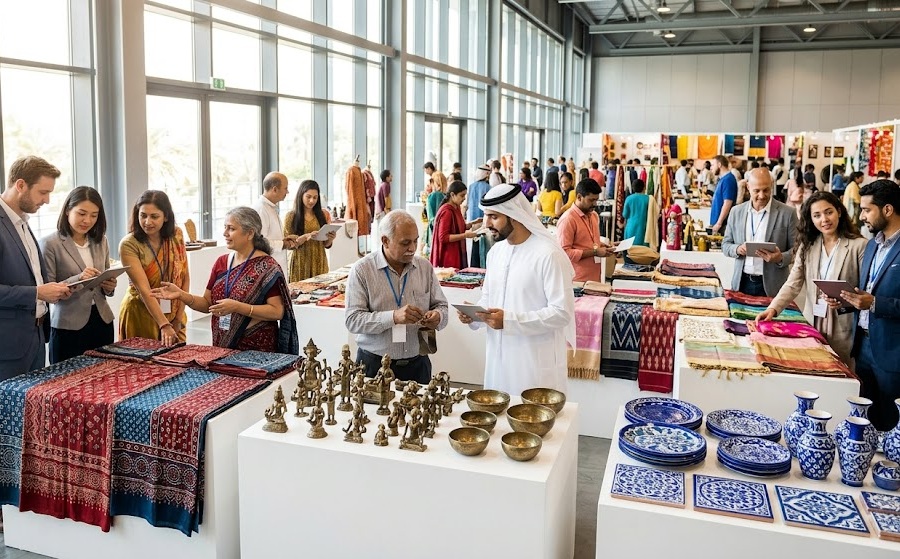
The rapid growth of digital marketplaces has fundamentally changed the way Indian handicrafts reach both domestic and international buyers. Platforms such as Craftsvilla, Gaatha, and Amazon India’s artisan section have made it easier than ever for buyers to access authentic handicrafts from remote weaving clusters and artisan communities across the country.
While digital access expands market reach, it also brings challenges: the risk of imitation products, unclear provenance, and variations in quality. Understanding these dynamics is essential for buyers who want authentic, high-value Indian crafts.
How Digital Marketplaces Have Expanded Reach
Over the past five years, the integration of Indian handicrafts into e-commerce platforms has accelerated:
- Online craft sales increased by 23% year-on-year in 2025, according to the Development Commissioner for Handicrafts.
- Regional artisan clusters now have digital storefronts, connecting remote producers with buyers globally.
- Virtual exhibitions and online craft fairs supplement physical trade events, offering curated experiences for international collectors.
This digital shift not only increases access but also exposes buyers to new product categories and regional specialties that were previously difficult to source.
Benefits For International Buyers
Digital marketplaces allow buyers to:
- Access GI-tagged and region-specific products from India’s diverse craft clusters.
- Compare prices and designs across multiple artisans in real-time.
- Receive delivery directly to their country, often with certified packaging and insurance options.
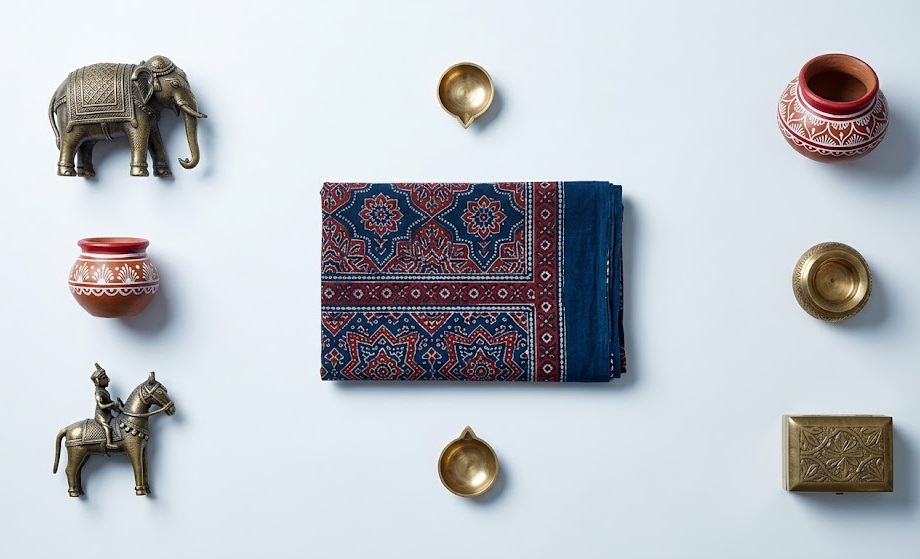
Textiles, like Ajrakh, Kalamkari, and Banarasi silk, are especially popular in international markets due to their lightweight nature and export-friendly packaging. Digital access ensures that buyers can identify authentic fabrics using product descriptions, verified seller profiles, and official GI certification references.
Risks And How To Mitigate Them
Despite these benefits, online buyers face certain risks:
| Risk | Example | Mitigation Strategy |
|---|---|---|
| Fake / imitation crafts | Machine-made fabrics labeled as handloom | Verify GI tags or ODOP certification |
| Misrepresentation of origin | Pottery claimed as Jaipur Blue Pottery but produced elsewhere | Ask for origin verification and artisan details |
| Quality variance | Textiles with inconsistent dyeing or fabric quality | Review photos closely and check reviews |
Being informed about these risks is critical to making confident, high-value purchases online.
Tools For Verifying Authenticity
Several mechanisms help buyers confirm authenticity:
- GI registry of India: Confirms registered products and their regions.
- Official ODOP listings: Highlights promoted regional products.
- Verified seller badges on platforms: Indicates consistent quality and reliable shipping.
By cross-referencing these sources, buyers can reduce the risk of purchasing low-quality or misrepresented items.
How Digital Marketplaces Are Supporting Artisan Communities
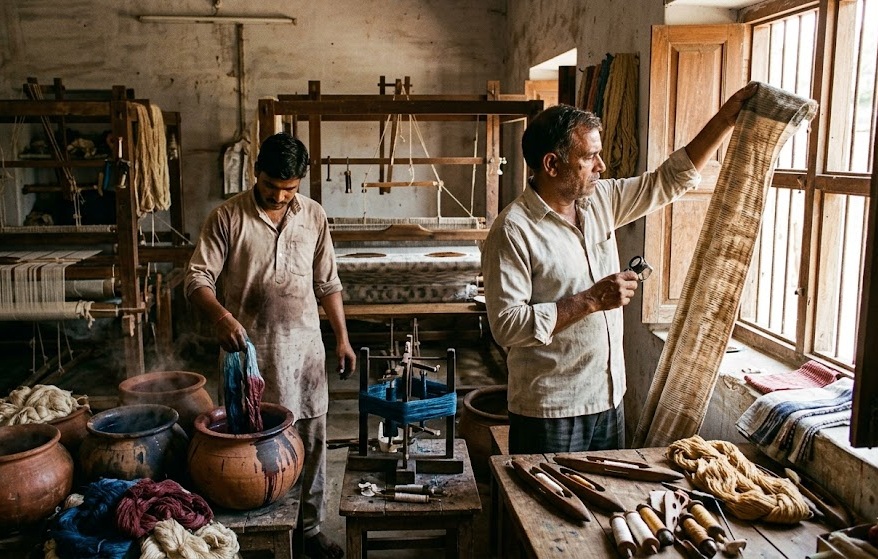
Digital marketplaces not only serve buyers—they also empower artisans:
- Access to national and global audiences increases income potential.
- Educational programs teach artisans about pricing, digital photography, and marketing.
- Partnerships with NGOs and government programs ensure fair trade and sustainability.
Platforms like Gaatha collaborate with over 15,000 artisans across India, promoting products like Bastar Dhokra, Kutch Ajrakh, and Pochampally Ikat, ensuring cultural heritage is preserved while enabling economic growth.
Emerging Trends Buyers Should Watch
Digital adoption is influencing trends in both production and consumption:
- Sustainable craft demand: Buyers are seeking eco-friendly materials and natural dyes.
- Fusion designs: Traditional textiles and metalwork are being integrated into contemporary home decor.
- Limited edition and seasonal collections: Marketplace platforms allow buyers to access exclusive batches directly from artisans.
These trends highlight the interplay between heritage, innovation, and market demand in the digital era.
Pricing Insights For Digital Purchases
Digital pricing can vary significantly:
| Product Type | Typical Online Price Range (India) | Notes |
|---|---|---|
| Ajrakh Textile | ₹400 – ₹1,500 per meter | Natural dye, handmade |
| Banarasi Silk Saree | ₹2,500 – ₹12,000 | Premium weave, GI-tagged |
| Dhokra Figurine | ₹500 – ₹8,000 | Hand-cast brass, regional authenticity |
| Blue Pottery | ₹300 – ₹3,000 | Lightweight, export-friendly |
Understanding these ranges helps buyers assess value relative to authenticity and craft origin.
Why Buyers Must Stay Informed
Digital marketplaces make access easy, but the abundance of choice also requires careful evaluation. Buyers should:
- Prioritize verified sellers and GI-tagged crafts
- Understand regional variations in design and technique
- Confirm material and production methods
- Compare similar products to evaluate pricing and quality
Being informed ensures that purchases are authentic, ethically sourced, and culturally significant.