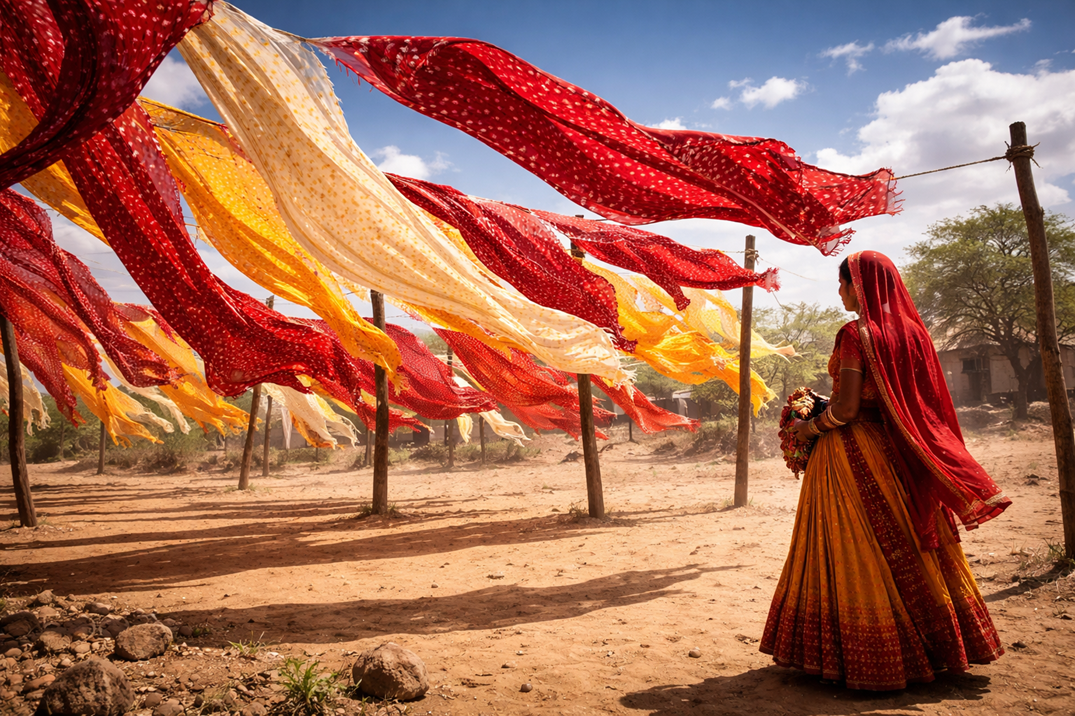
Gujarat stands as one of India’s richest textile regions, where craftsmanship is deeply tied to identity, geography, and community traditions. From intricate bandhani tie-dye to complex patola weaving, each textile reflects centuries of refined technique and cultural storytelling.
For buyers, Gujarat offers exceptional variety—but also complexity. Understanding how these textiles differ in technique, durability, and authenticity is essential to making informed purchases, especially when shopping online or internationally.
Why Gujarat Is A Textile Powerhouse
Gujarat’s textile legacy is shaped by trade routes, desert climates, and strong artisan communities. Historically, the region connected India to global markets, which influenced both design and production methods.
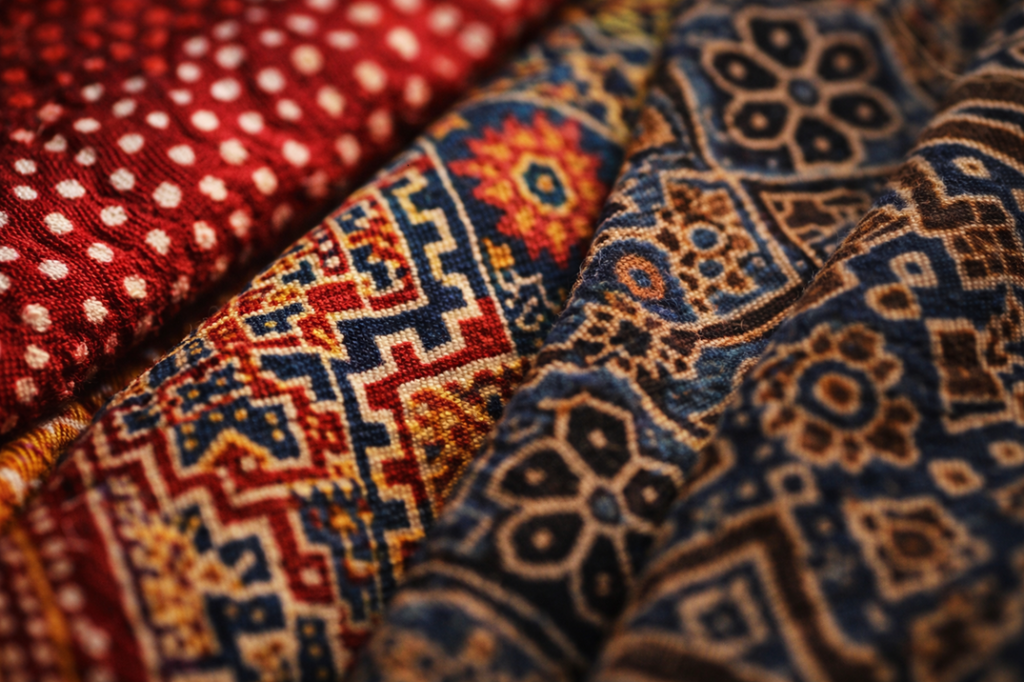
What sets Gujarat apart is its specialization by community and region. Unlike generic textile markets, many techniques are preserved within specific artisan groups, ensuring continuity and authenticity.
For buyers, this means that the origin of a textile is not just a label—it is a critical marker of quality and cultural value.
Key Textile Traditions By Region
Each region in Gujarat is associated with distinct textile forms, making regional awareness essential for buyers.
| Region | Textile Type | What Makes It Unique |
|---|---|---|
| Patan | Patola Silk | Double ikat weaving, highly intricate |
| Kutch | Bandhani | Tie-dye with fine dot patterns |
| Jamnagar | Bandhani | Bright colors, larger motifs |
| Ahmedabad | Block Printing | Detailed patterns, urban production |
| Surendranagar | Tangaliya | Beaded weaving texture |
Recognizing these associations helps buyers avoid generic or mislabeled products and focus on authentic craftsmanship.
Bandhani: The Art Of Tie-Dye Precision
Bandhani is one of Gujarat’s most recognizable textiles, created by tying thousands of tiny knots before dyeing the fabric. The result is a pattern of dots and waves that appear almost geometric.
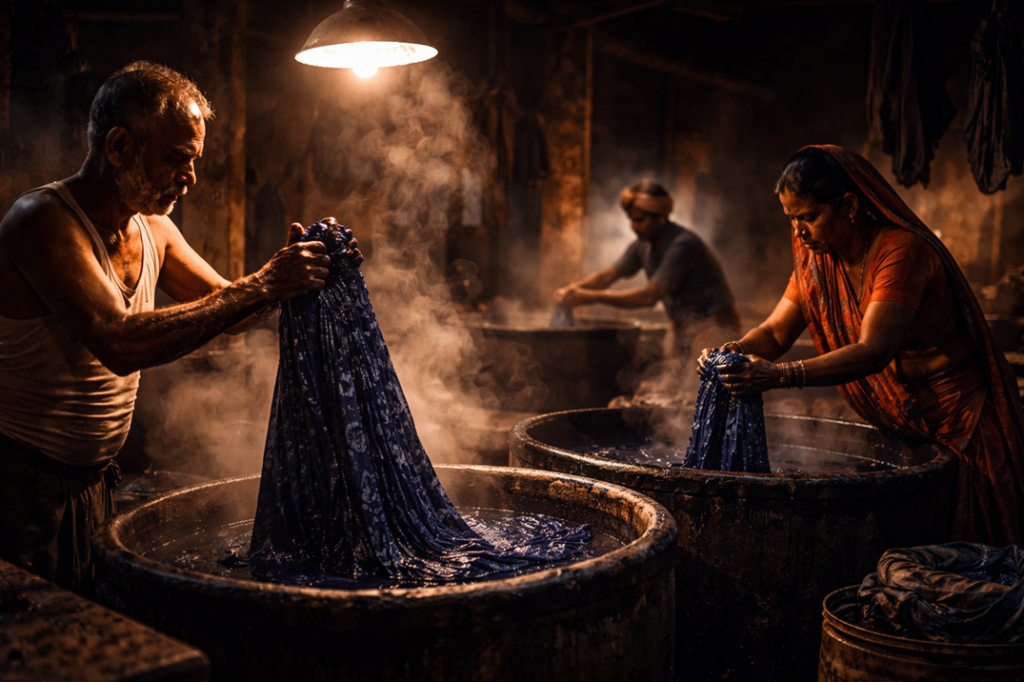
Authentic bandhani can be identified by:
- Irregularities in dot placement
- Visible hand-tied knots
- Soft transitions in color
Machine-made imitations often lack these subtle imperfections, which are actually signs of authenticity.
Patola Silk: The Benchmark Of Luxury
Patola silk from Patan is considered one of the most complex textiles in the world. It uses a double ikat technique, where both warp and weft threads are dyed before weaving.
This process can take months to complete, resulting in:
- Perfectly aligned patterns on both sides
- High durability
- Exceptional color retention
Due to the labor involved, authentic patola sarees are among the most expensive textiles in India.
Ajrakh And Block Printing Traditions
Ajrakh printing, practiced in parts of Gujarat and neighboring regions, is known for its use of natural dyes and geometric patterns. The process involves multiple stages of dyeing and resist printing.
Block printing in Gujarat, particularly around Ahmedabad, tends to be more commercially accessible while still maintaining traditional design elements.
Buyers should look for:
- Natural dye variations
- Slight inconsistencies in print alignment
- Fabric softness indicating hand processing
Comparing Key Textile Features
Understanding differences in technique and usability helps buyers choose the right textile.
| Feature | Bandhani | Patola | Ajrakh |
|---|---|---|---|
| Technique | Tie-dye | Double ikat | Block printing |
| Complexity | Moderate | Very high | High |
| Price Range | Low to moderate | Very high | Moderate to high |
| Durability | Moderate | High | High |
| Visual Style | Dotted patterns | Symmetrical designs | Geometric motifs |
Each textile serves a different purpose, from everyday wear to high-value коллекtable pieces.
How To Identify Authentic Gujarati Textiles
Authenticity is a key concern when buying handcrafted textiles, especially online.
Buyers should evaluate:
- Transparency about origin and artisan community
- Details about dyeing and weaving techniques
- Presence of handmade irregularities
- Seller credibility and documentation
For those exploring certified craft categories, guides on GI tagged handicrafts by state provide a useful reference point for understanding officially recognized textile traditions.
Additionally, organizations like the Crafts Council of India offer insights into traditional textile preservation and artisan practices.
Pricing Expectations And Value Considerations
Pricing varies significantly depending on technique and craftsmanship.
| Textile | Entry Price | Premium Range |
|---|---|---|
| Bandhani | Affordable | Moderate |
| Ajrakh | Moderate | High |
| Patola | High | Extremely high |
Buyers should be cautious of low prices for complex textiles like patola, as authentic pieces require extensive labor and expertise.
Choosing The Right Textile For Your Needs
Selecting the right Gujarati textile depends on purpose and preference.
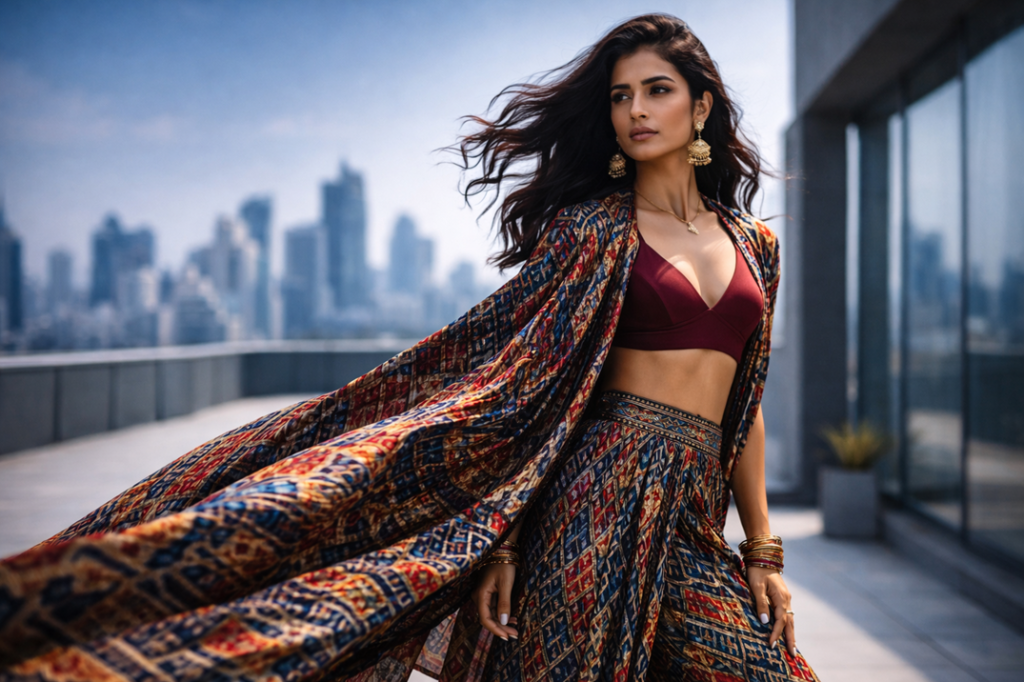
Bandhani is ideal for lightweight, vibrant clothing with traditional appeal.
Ajrakh suits buyers looking for natural dyes and geometric designs.
Patola is best for collectors or those seeking investment-level textiles with long-term value.
Each option reflects a different balance of affordability, craftsmanship, and cultural significance.
A Living Tradition Worth Preserving
Gujarat’s textiles are more than fashion—they are living traditions sustained by generations of artisans. Each piece carries the imprint of technique, geography, and cultural identity.
For buyers, understanding these textiles transforms the experience from simple shopping into meaningful acquisition. With the right knowledge, every purchase becomes a connection to a deeper heritage.