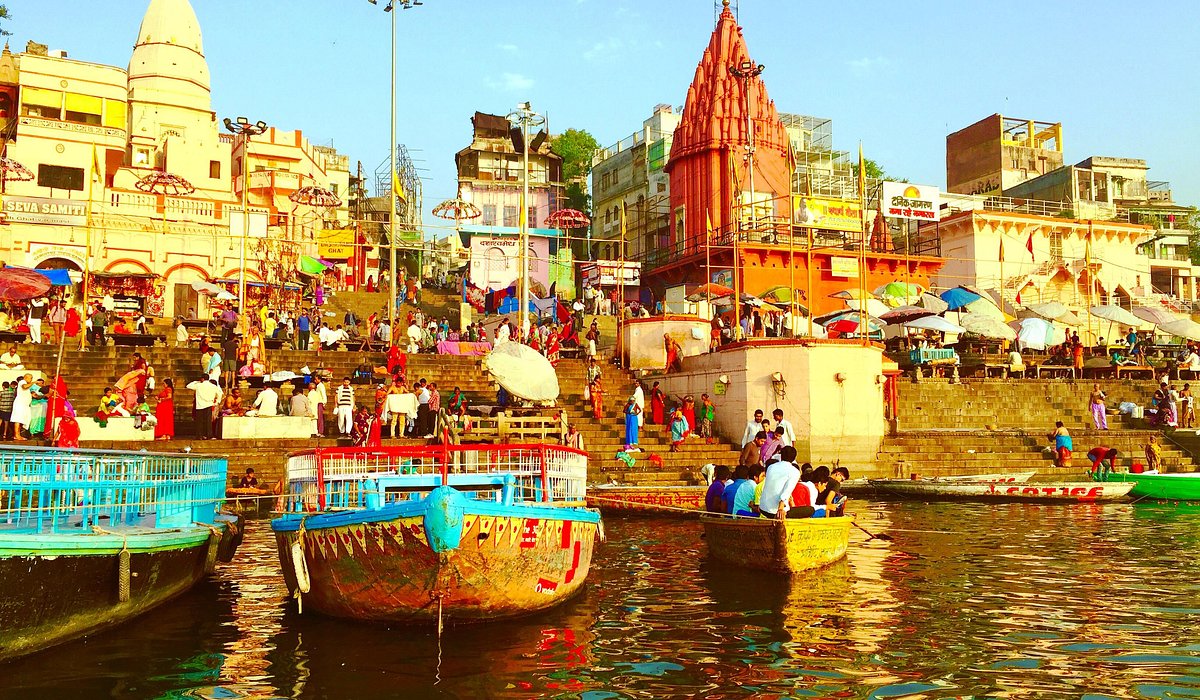
Varanasi is globally synonymous with Banarasi silk, but limiting your purchases to textiles alone means overlooking one of India’s richest craft ecosystems. The city is a multi-layered artisanal hub, where metalwork, woodcraft, enamel art, and ritual objects coexist with centuries-old traditions.
For buyers, this creates both opportunity and complexity. The challenge is not finding something to buy—it’s knowing what is authentic, what holds long-term value, and what truly represents Varanasi’s craft identity.
This guide explores the most important products to consider beyond silk, with a focus on authenticity, origin, and buyer relevance.
Why Varanasi Is More Than A Textile City
Varanasi’s position as a spiritual and cultural center has shaped its craft traditions. Unlike cities driven purely by commercial output, Varanasi produces items tied to ritual use, heritage practices, and artistic expression.
This results in a craft ecosystem where:
- Many products are still handmade in small clusters
- Techniques are passed through generations
- Craft identity is deeply tied to local culture
For buyers, this means that origin matters more than branding, and understanding the story behind each product is key to making informed purchases.
Gulabi Meenakari: The City’s Rising Global Craft
Among Varanasi’s non-textile crafts, Gulabi Meenakari has recently gained international recognition. Known for its delicate pink enamel work and floral detailing, it represents one of the city’s most refined artistic traditions.
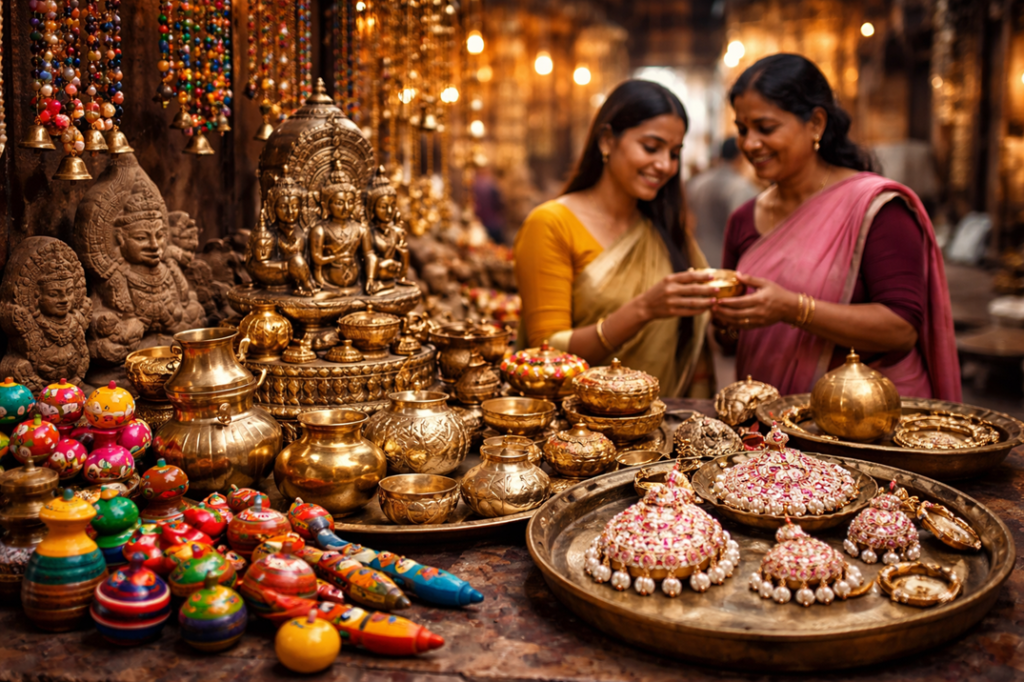
What makes it particularly important for buyers today is its GI-tag status and growing global demand, which is pushing it into the luxury collectible category.
Authentic pieces are still produced by a limited number of artisans, making sourcing critical. If you’re exploring enamel crafts, understanding a proper Gulabi Meenakari buying guide can help distinguish genuine work from mass-produced imitations.
Typical products include:
- Jewelry (earrings, pendants, necklaces)
- Decorative boxes
- Plates and ceremonial objects
Wooden Lacquerware And Handcrafted Toys
Varanasi’s wooden lacquerware is often overlooked, yet it remains one of the most accessible and authentic craft categories in the region.
These products are made using hand-turned wood and natural lac dyes, resulting in vibrant finishes that are both durable and visually distinctive.
| Product Type | Buyer Appeal | Price Range |
|---|---|---|
| Wooden Toys | Cultural and collectible | ₹200 – ₹1,500 |
| Decorative Items | Home décor | ₹500 – ₹3,000 |
| Utility Objects | Bowls, containers | ₹300 – ₹2,000 |
For buyers seeking lightweight, travel-friendly crafts, lacquerware offers a strong alternative to heavier items.
Brassware And Ritual Metal Objects
Varanasi’s connection to religious practices has sustained a long tradition of brass and copper work. These items are not purely decorative—they are often designed for daily rituals and ceremonial use.
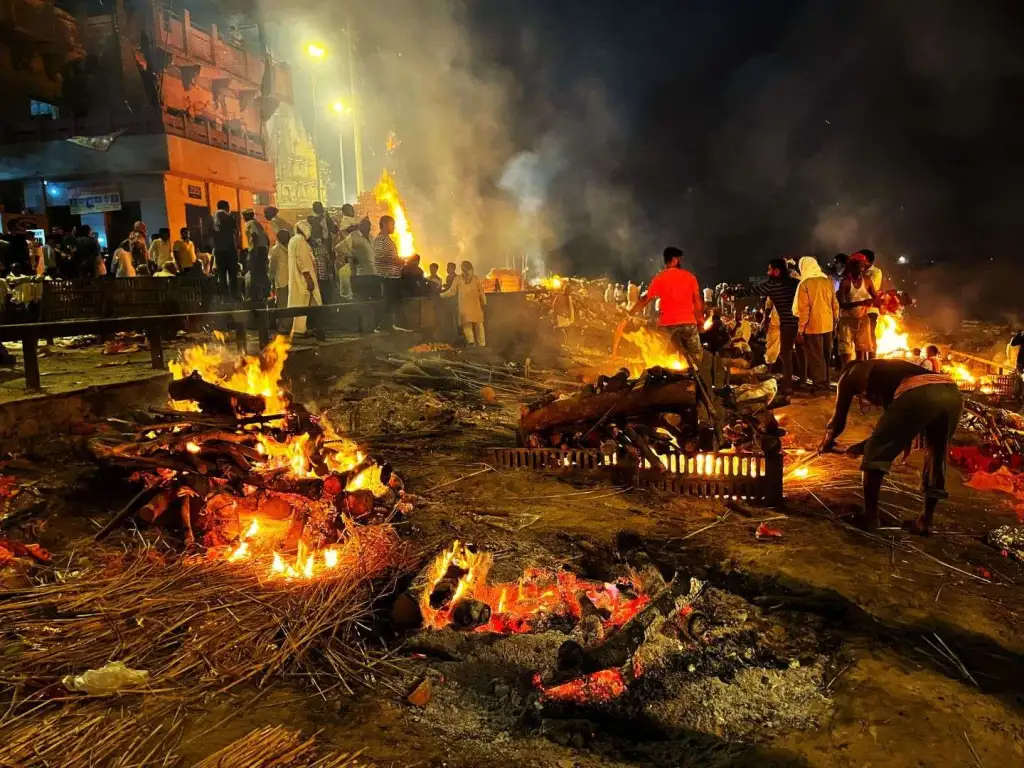
Common products include:
- Diyas (oil lamps)
- Pooja thalis
- Temple bells
- Small idols
What sets Varanasi brassware apart is its functional authenticity. These are not mass-produced replicas but items designed for real use in spiritual settings.
When buying, look for:
- Weight and density (authentic brass feels substantial)
- Hand-finishing marks
- Slight variations that indicate manual production
Glass Beadwork And Jewelry
Another lesser-known craft from Varanasi is glass beadwork, which has historically been exported to international markets.
These beads are often used in:
- Handmade jewelry
- Decorative accessories
- Export-quality fashion pieces
While not always GI-tagged, this category offers buyers access to affordable, artisan-made products with strong export heritage.
Stone Carvings And Temple Sculptures
Varanasi’s religious significance also supports a niche market for stone carvings and sculptures. These range from small decorative pieces to more elaborate temple-style works.
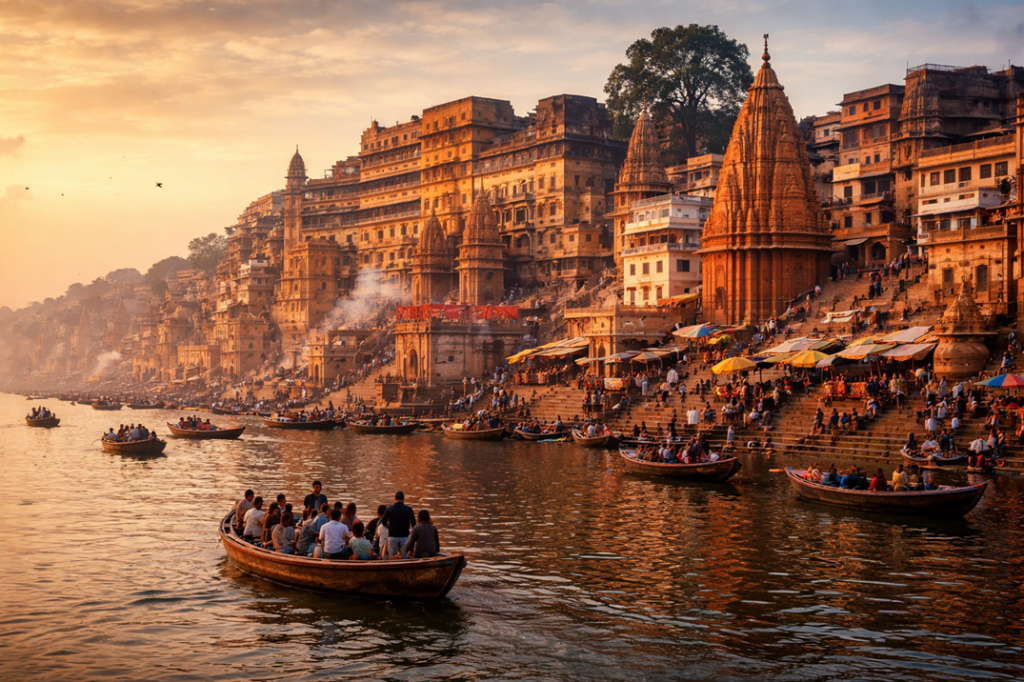
Buyers interested in this category should pay attention to:
- Material quality (sandstone vs marble vs composite)
- Detailing precision
- Origin disclosure
Unlike mass-produced decor, authentic carvings carry a distinct handcrafted irregularity, which is part of their value.
Comparing Varanasi’s Top Non-Textile Crafts
To simplify buying decisions, here’s how these crafts compare across key factors:
| Craft | Authenticity Level | Portability | Price Range | Collector Value |
|---|---|---|---|---|
| Gulabi Meenakari | Very High (GI-tagged) | Medium | Mid to High | High |
| Wooden Lacquerware | High | High | Low to Mid | Medium |
| Brassware | High | Medium | Low to Mid | Medium |
| Glass Beads | Moderate | High | Low | Low to Medium |
| Stone Carvings | High | Low | Mid to High | High |
This comparison highlights a key insight: not all crafts serve the same buyer purpose. Some are collectible investments, while others are practical or decorative.
How To Avoid Tourist-Grade Imitations
As Varanasi attracts millions of visitors, the presence of tourist-oriented replicas is unavoidable. These products often mimic traditional designs but lack craftsmanship and authenticity.
Warning signs include:
- Perfect uniformity across items
- Synthetic finishes instead of natural materials
- Lack of origin or artisan information
- Prices significantly below market norms
For serious buyers, prioritizing verified sellers and regional knowledge is essential—especially as demand for authentic Indian crafts continues to grow globally.
Why Regional Buying Matters More Than Ever
Recent developments in India’s craft sector show a clear trend: regional identity is becoming a key driver of value. As more crafts gain GI recognition and international exposure, buyers are increasingly seeking products tied to specific locations.
Varanasi is a prime example of this shift. While Banarasi silk remains dominant, its broader craft ecosystem offers:
- Greater variety
- Lower entry price points
- Unique collector opportunities
Understanding what to buy beyond silk allows buyers to engage more deeply with the city’s full cultural and artisanal landscape.