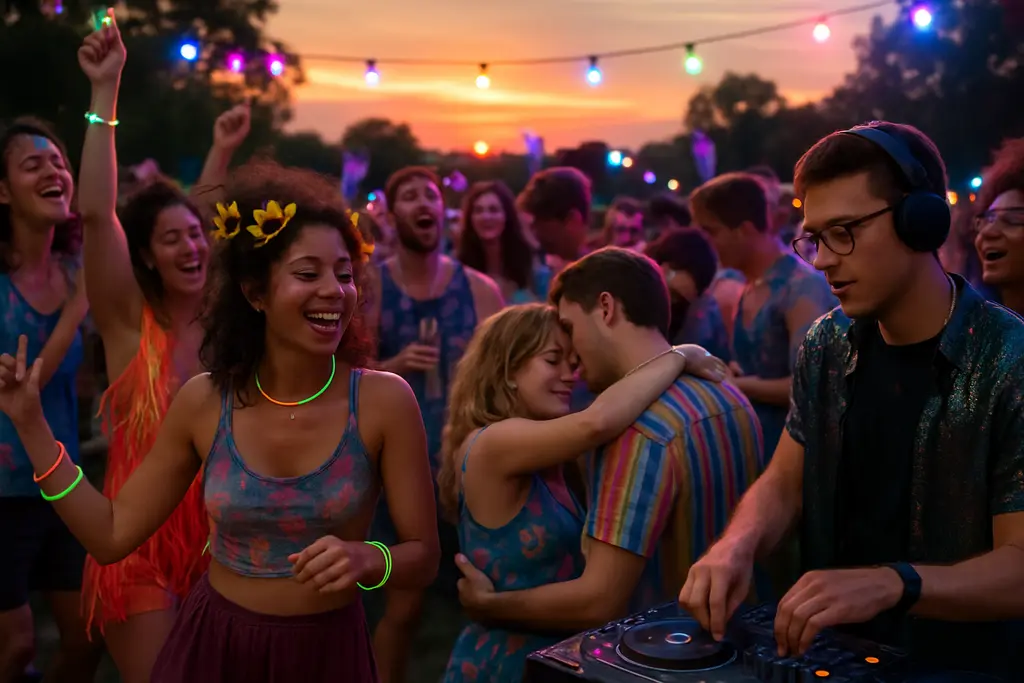
Rave community wellness is easiest to understand when the crowd is treated as part of the work, not as background noise. King Gizzard & the Lizard Wizard’s New York run in August 2026 offers a useful case. On August 22, 2026, the band played a “Rave Show” at Forest Hills Stadium in Queens, and on August 23, 2026, the fourth night of the run followed at Under the K Bridge Park in Brooklyn. By August 24, 2026, the four-night residency had fully concluded. JamBase reported that the Forest Hills performance used the band’s large modular synthesizer setup, called “Nathan,” for much of the electronic material, including older songs reworked through an electronic frame and newer techno-style works from Alien Metal JamBase review.
For wellness readers, the key point is not that a rave-like rock performance automatically improves health. That would overstate the evidence. The stronger reading is cultural and behavioral: these shows brought together shared movement, costume, ritual, care signals, and identity. Those elements are consistent with research linking live music participation to belonging, connection, and positive mental health outcomes, while still leaving room for caution about causality, access, crowd risk, and individual differences.
What Rave Community Wellness Looked Like In New York
Rave Community Wellness In The Crowd
The New York shows placed rave community wellness in a hybrid setting: part psych-rock concert, part electronic dance gathering, part fan-made social world. The crowd known as the “Weirdo Swarm” is not just a nickname. In the research notes, audience participation included elaborate costuming, cybergoth and alien-themed outfits, cosplay elements linked to the band’s visual world, glow sticks, and shared rituals. Justin Joffe’s reporting from the Field of Vision festival period described the meeting point between DIY psych-punk culture and jam-community practices, with fans using dress, dance, and symbolic play to mark group belonging Field of Vision essay.
That type of participation matters because it shifts the event from passive consumption toward co-created culture. A person wearing handmade costume pieces, trading visual references, dancing with strangers, or joining a crowd ritual is making social contact through art. From a wellness perspective, this can support self-expression and social safety when the environment rewards difference rather than conformity. The caution is that not every attendee experiences a crowd in the same way. Noise, density, heat, intoxication around others, or sensory overload can make the same setting stressful for some people. A grounded reading has to hold both truths at once.
The Brooklyn Setting After The Queens Rave Show
The August 23, 2026, Under the K Bridge Park performance in Brooklyn followed the Forest Hills “Rave Show” and carried the residency into a different physical environment. The research notes describe heightened crowd engagement under the bridge setting, with dance, expression, and interactive ritual shaping the atmosphere. Stu Mackenzie also gave a surprise solo set, while opener VRIL contributed to the night’s electronic character. Because the show had already taken place, it is best read retrospectively as part of a completed New York sequence rather than as an event to anticipate.
The venue context matters. A stadium and a park under a bridge frame the body differently. The stadium can make scale and spectacle central. A bridge-side park can intensify the sense of temporary gathering, especially when lighting, sound, movement, and architecture meet. In both settings, wellness is not a product sold to the crowd. It is a pattern of social behavior: people showing up visibly, recognizing one another, and testing whether a large gathering can still feel relational.
How Costume And Ritual Built Belonging
Self-Expression Without Flattening The Culture
The costuming around King Gizzard’s 2026 rave-oriented shows should be read with respect for fan creativity. Cybergoth styling, alien motifs, handmade accessories, glow objects, and music-video references are not random decoration. They are part of a visual language through which fans locate themselves inside the band’s wider artistic world. This is especially relevant for creator-commerce and handmade culture, where fan-made garments, props, and accessories often carry meaning beyond utility.
Still, there is a careful line. Community expression does not erase questions of rights, likeness, or commercial use. A fan dressing for a show is different from a seller marketing products that imply official approval or copy protected characters. This is not legal advice, but a cautious creator principle: keep authorship, inspiration, and affiliation clear. Authenticity depends on trust. That trust can be harmed when fan commerce blurs the boundary between homage and misleading association.
Shimply has examined similar questions of trust, movement, and visual participation in live event art, where music, image-making, and crowd behavior become part of the same social system. The King Gizzard case adds a useful example because the “Weirdo Swarm” visibly brings costume culture into the structure of the performance rather than leaving it at the edge.
Ritual As A Social Anchor
Ritual in live music does not need to be formal to be meaningful. A crowd lifting lights, repeating gestures, dressing in shared codes, or protecting space in a dance area can create a temporary social order. The research on live music described in the notes points to “collective effervescence,” a shared feeling of connection that can be associated with meaning and happiness after the event. That does not mean every person receives the same benefit, and it does not mean a concert replaces clinical care. It does suggest that shared embodied experience can be psychologically significant.
This is where rave community wellness becomes a useful phrase rather than a slogan. It names the intersection of body movement, aesthetic identity, social trust, and emotional release. At the Brooklyn and Queens shows, those elements appeared through sound design, electronic reinterpretation, costume, crowd response, and mutual recognition among fans.
Safety Norms As Part Of The Performance
Care Signals In High-Energy Crowds
Any discussion of rave culture and wellness has to address safety. The research notes record that, during the Forest Hills shows, stage messaging framed the mosh pit as a safe place for people of different ages, sizes, and genders, asked attendees to alert security about harmful behavior, and encouraged people to look after each other. That matters because high-energy crowd practices require shared norms. A mosh pit, dance floor, or dense rail area can become safer when care is stated clearly and repeated publicly.
The notes also describe a medical concern during one night at Field of Vision in the same tour cycle, where a flashlight signal from the crowd led the band to pause twice so the person could receive care. The wellness relevance is direct: community is not only a feeling of togetherness during peak moments. It is also the willingness to interrupt the show when someone needs help.
Where Responsibility Begins
The strongest wellness claim here is not that rave community wellness prevents harm. No crowd norm can guarantee that. The stronger claim is that explicit care practices can support safer participation. Venue staff, security, artists, and attendees all hold different responsibilities. Fans can look for distress signals, avoid pushing beyond consent, make space for people leaving the crowd, and treat costumed or expressive attendees with respect. Organizers and artists can reinforce norms through signage, pauses, water access, trained staff, and clear pathways for help.
For individuals, mindful participation means checking the body before and during the event. Hydration, hearing protection, rest, medication awareness, sensory limits, and exit planning are not less “authentic” than dancing hard. They are part of sustaining the experience. A culture that values expression should also value the conditions that let people return home safely.
What The Research Can And Cannot Claim
Live Music And Belonging
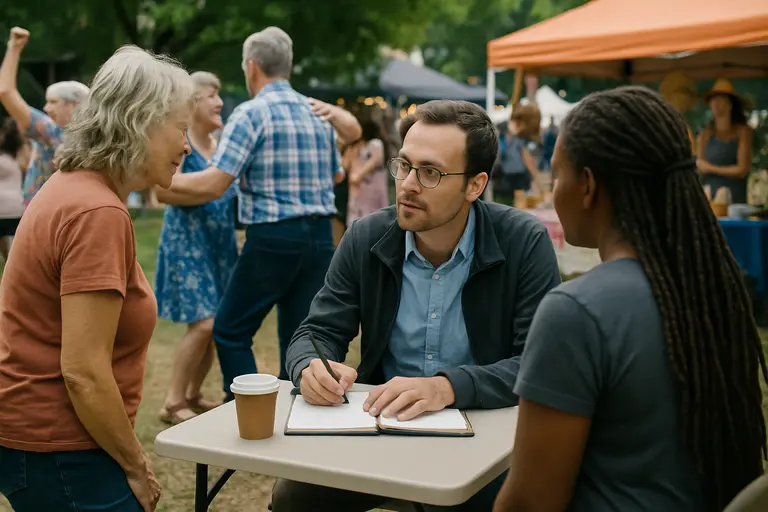
The research notes include a 2025 systematic review of 59 studies with 17,991 participants across Western countries. It found that live music attendance is linked to connection, shared values, empowered community, and sustained belonging, with benefits appearing across genres and event types. The notes also cite a study of 789 people connecting live music experiences with collective effervescence, meaning in life, and increased happiness lasting at least one week after the event.
These findings align with what observers described at King Gizzard’s 2026 shows, but they should not be stretched too far. Most live-event research faces limits: people who attend may already have social resources, disposable income, mobility, or cultural confidence. Some effects may come from friendship networks around the event rather than the music alone. Genre, venue design, crowd density, substance use, disability access, and policing can all shape outcomes.
Performing Arts As A Public Health Signal
The notes also refer to U.S. survey data across 500 large cities, where performing arts activity was associated with better health indicators, including lower rates of poor mental health. Another longitudinal study of U.S. young adults found frequent participation in performing arts associated with higher positive mental health, with notable effects among people of color or lower-income participants when they did take part. These are meaningful associations, not proof that one concert causes better health.
For a wellness analysis, the cautious position is the most useful one. Live music can be one part of a healthy social life. It can give people a place to move, belong, dress creatively, and feel seen. It can also exclude people through cost, distance, crowd intensity, or lack of accessibility. Responsible cultural coverage should keep both the promise and the limits visible. For readers interested in exploring community participation in arts and wellness, the related site Kay Granger offers further insights.
King Gizzard’s Brooklyn Performance And Rave Community Wellness
A Completed Event With Ongoing Lessons
King Gizzard’s Brooklyn performance on August 23, 2026, now sits as part of a completed four-night New York residency rather than an active event. Its value for wellness analysis is not in hype after the fact. Its value is in the way it shows a community building meaning through shared sound, costume, movement, humor, safety cues, and care.
For artists and event communities, the lesson is practical. Invite expression, but set norms. Encourage intensity, but make help visible. Respect fan creativity, but avoid exploiting it as a marketing prop. For attendees, the lesson is equally clear: being part of a crowd is an active practice. The way people dress, move, make room, respond to distress, and welcome difference shapes the health of the event.
Rave community wellness, seen through this King Gizzard case, is best understood as a cultural practice rather than a guaranteed outcome. It can support belonging when trust is real, safety is named, and participation is open enough for people to be themselves without having to perform toughness. That is a modest claim, but it is also the one the evidence can support.