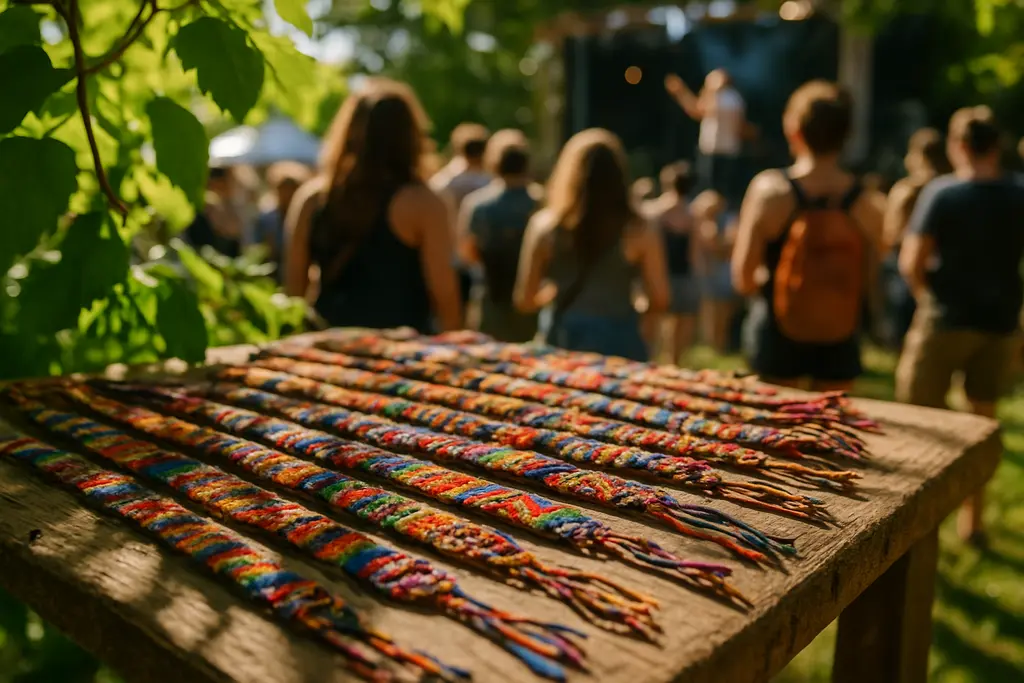
Handmade Accessories at Olivia Rodrigo’s Daisy Chain Fields Festival were not only style objects. Seen through a nutrition and family-wellness lens, they sat beside practical questions about hydration, snack access, dietary needs, heat exposure, and how young fans moved through a full-day live event. Olivia Rodrigo’s first Daisy Chain Fields Festival took place on August 29, 2026, at Great Park in Irvine, California, according to ELLE’s festival report. Because that date has passed, the stronger reading now is retrospective: what did the accessory culture around the event show about care, commerce, and the practical demands of festival-going?
The answer is not that flower crowns or pins directly improve nutrition. They do not. Rather, the event showed how handmade culture can exist next to nutrition planning. A fan choosing a patch, temporary tattoo, hair tinsel, or beaded keepsake may also need a refillable bottle, a small bag that fits snack rules, allergy medication, or clear information about food access. In that sense, accessory culture becomes part of the wider system that helps attendees feel prepared, included, and respected.
Date, Site, And Festival Context
Why The August 29, 2026 Setting Matters
Great Park in Irvine placed Daisy Chain Fields in Southern California conditions where hydration and sun management were more than comfort issues. The research notes identify free hydration stations at several access points around the site, and BizBash reported both the Etsy activation and hydration-station presence in its coverage of Etsy’s festival activation. For families, teen fans, and groups attending together, those stations mattered because water access is one of the simplest protective factors during warm outdoor events.
From a nutrition perspective, hydration is often the least glamorous part of festival planning, yet it shapes stamina, concentration, mood, and safety. The research notes also describe event policies that limited outside food and drink while allowing factory-sealed snacks and items required for medical dietary reasons. That distinction matters. It suggests that attendees with allergies, diabetes-related needs, gastrointestinal conditions, or other diet-sensitive concerns had to prepare within rules rather than assume open food access.
How Handmade Accessories Framed The Festival Experience
Etsy Creative Village As A Craft And Care Space
The Etsy Creative Village gave fans a clear handmade focal point. Reported offerings included flower crowns, pins, patches, junk journals, temporary tattoos, hair jewelry, hair tinsel, and beaded safety-pin keepsakes. These objects fit the visual language of a pop festival while also showing how creator-commerce can become experiential rather than purely transactional. Fans were not only buying souvenirs; some were making or personalizing small objects that marked their presence at the event.
That matters because handmade festival goods often carry emotional value. A pin can signal belonging. A patch can outlast the event. A junk journal can hold ticket stubs, notes, pressed flowers, or meal receipts. Temporary tattoos and hair pieces can create a shared look without requiring permanent commitment. None of this should be overstated as health behavior, but it does show how style, identity, and practical planning often occupy the same physical space at music events.
A parallel thread appears in Shimply’s analysis of handmade festival fashion, where self-made pieces, local sellers, and careful buying support more grounded festival culture. Daisy Chain Fields offered a related case, with accessory-making and buying placed close to the event’s social atmosphere.
Nutrition Signals Around Food, Water, And Carrying
Handmade Accessories And Nutrition Signals
Handmade Accessories can interact with nutrition indirectly through the things they help people carry, remember, or prioritize. A decorated water-bottle sling, a small handmade pouch, a clearly labeled medication case, or a sturdy wristlet is not nutrition by itself. Still, these items can support the routine behaviors that nutrition depends on: drinking water, keeping an allowed snack accessible, carrying allergy aids, and avoiding a long walk back to a car or locker when energy drops.
The research notes report that the food vendor lineup included more than 50 vendors, with vegan, vegetarian, and gluten-free options among the offerings. They also describe many women-owned food businesses and special marking for women-owned vendors. Those details point toward dietary inclusion, but inclusion is only useful when attendees can find food in time, understand options, and manage personal needs during crowds. Reported attendee feedback about long food waits and some items selling out before late evening makes hydration and permitted snack planning even more relevant.
| Festival Need | Accessory Connection | Nutrition Relevance |
|---|---|---|
| Water refills | Reusable bottle, bottle strap, or hydration pack where permitted | Supports regular fluid intake during outdoor heat |
| Medical diet needs | Small pouch for permitted snacks or medical items | Helps attendees follow necessary dietary routines |
| Food queues | Compact bag that keeps essentials accessible | Reduces reliance on immediate vendor access |
| Allergy awareness | Labeled case or visible reminder tag | Can help keep emergency items within reach |
| Group coordination | Matching pins or patches | Helps groups stay connected during meal breaks |
This is where caution is necessary. Accessories should not be marketed as health products unless a maker has evidence and appropriate compliance support. A pouch does not prevent dehydration. A bracelet does not manage a food allergy. Yet thoughtful design can make healthy routines easier to follow, especially in crowded spaces where fatigue and distraction are common.
Creator Commerce, Inclusion, And Trust
Buyer Confidence In A High-Emotion Event
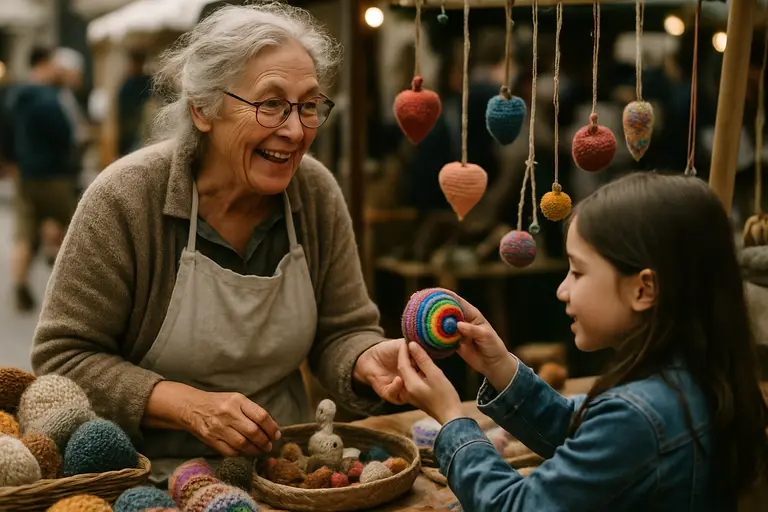
Daisy Chain Fields also raised a useful creator-commerce question: what makes festival merch feel trustworthy? Handmade goods succeed when buyers understand what they are buying, who made it, how durable it is likely to be, and whether it can safely be worn for several hours in heat, crowds, and movement. Hair tinsel, temporary tattoos, jewelry, and pins should be described clearly, especially for younger attendees or shoppers with sensitive skin. Sellers should avoid broad safety or wellness claims unless supported by credible testing or policy documentation.
For sellers, Handmade Accessories are strongest when product listings answer practical questions before purchase. What material touches the skin? Is the item reusable? Is it sharp, magnetic, adhesive, or small enough to pose a concern for children? Can it tolerate sweat, sunscreen, or light moisture? Is it made for decorative use only? These details do not reduce artistic value. They protect trust between maker and buyer.
The same principle applies to food-adjacent carrying items. If a small handmade bag is meant for festival use, buyers need dimensions, closure details, weight limits, and any venue-policy caveats. A seller should not promise that a bag will meet every event’s entry rules unless the venue’s policy is clear and current. Clear language is better than promotional certainty.
For adjacent cultural reading across the same network, readers can explore NextClues to compare how live events, fan communities, and commerce are discussed across connected culture sites.
Handmade Accessories At Daisy Chain Fields
Practical Reading For Future Event Planning
The strongest reading of Handmade Accessories at Daisy Chain Fields is that they worked as cultural markers and planning prompts at the same time. Flower crowns, patches, temporary tattoos, journals, and hair pieces helped fans participate visually in the event. Water bottles, small bags, pouches, and permitted snack containers sat in the background as less photographed but highly relevant tools for nutrition safety and comfort.
For families and young attendees, the lesson is preparation without overstatement. Before a festival, review food rules, hydration access, medical-diet exceptions, bag limits, and the likely time between meals. Then choose accessories that support those realities rather than distract from them. A beautiful item should still be wearable, safe, and compatible with the day’s practical needs.
For makers, Daisy Chain Fields offered a clear reminder that authenticity includes care. A handmade product can be expressive, affordable or premium, fan-centered, and still presented with honest material notes. In a festival setting, that honesty matters because the buyer may wear the item immediately, carry it for hours, and rely on it while managing water, food, medication, or group movement. Handmade culture is strongest when creativity and care are visible in the same object.