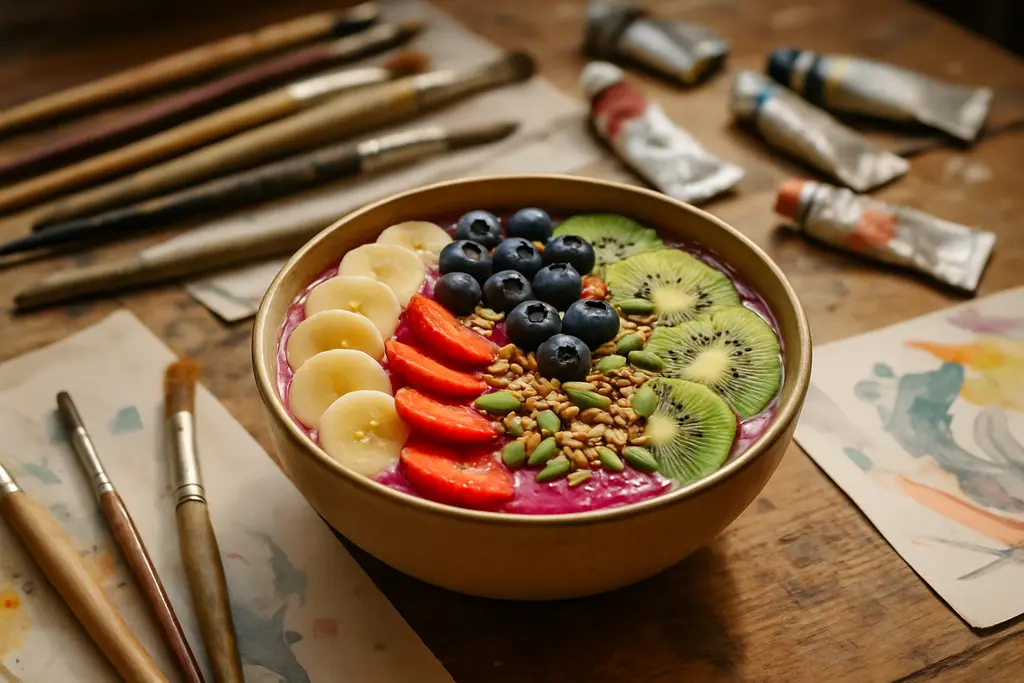
Nutrition and Creativity belong in the same planning conversation for MOJA Arts Festival in Charleston, especially for artists, makers, volunteers, and visitors who may spend long stretches thinking, walking, listening, viewing, performing, or speaking with vendors. As of September 3, 2026, the research supplied for this article does not include confirmed 2026 MOJA Arts Festival dates, so this piece treats the festival as a preparation context rather than a schedule notice. The evidence supports practical food choices for cognitive steadiness, not claims that any meal can manufacture artistic insight.
For a festival tied to arts participation, preparation should respect both the body and the cultural setting. A person arriving hungry, dehydrated, or over-caffeinated may find it harder to listen closely, engage with artists respectfully, or make thoughtful buying decisions. Food planning is not a substitute for rest, craft knowledge, fair pay, or community trust, but it can support the attention needed to appreciate handmade work and live performance with care.
Nutrition and Creativity Before MOJA
Nutrition and Creativity Starts With Steady Fuel
The most useful way to think about festival nutrition is not as a “brain boost” promise. It is steadier than that. Creative work often asks for sustained attention, flexible thinking, memory, coordination, and emotional regulation. Those processes can be strained by skipped meals, large sugar swings, too little fluid, or relying on coffee alone. A balanced eating pattern in the days before a demanding arts day may help the mind stay available for close looking, careful listening, and open conversation.
The 2026 narrative review titled Brain Foods, published on May 31, 2026, synthesized evidence associating eight food categories with better cognitive outcomes across the life course: dairy, eggs, seafood, lean meat, berries, leafy green vegetables, nuts, and whole grains. The wording matters. “Associated with” is not the same as guaranteed improvement for an individual artist before a festival. Still, the pattern is useful because it points toward ordinary, accessible foods rather than dramatic supplements or extreme routines.
What The Evidence Can And Cannot Say
A 2024 systematic evaluation and meta-analysis of major dietary patterns included 12,119 participants and found that healthier dietary patterns produced a small positive effect on overall cognitive function compared with control conditions, with a standardized mean difference of 0.14, 95% CI [0.08, 0.20], p < 0.00001, according to the PubMed record. That result is statistically meaningful, but it should be read with restraint. It does not prove that one pre-festival breakfast will change a person’s artistic capacity. It does suggest that eating patterns can be one part of cognitive care.
For MOJA preparation, the cautious reading is the strongest reading: choose foods that support steady energy, do not overstate outcomes, and treat nutrition as one part of readiness beside sleep, hydration, movement, medication routines, accessibility needs, and stress management.
Brain Foods For Festival Preparation
Food Groups With Cognitive Links
The food groups identified in the 2026 review translate well into festival preparation because they can be combined into simple meals. Eggs or dairy can support breakfast protein. Seafood or lean meat may suit a main meal for people who eat them. Berries, leafy greens, nuts, and whole grains can fit into snacks, packed meals, or quick plates before leaving home. Legumes and beans also appeared in the supplied research as part of brain-healthy dietary patterns, though the two academic sources cited here are the anchor evidence for this article.
Nutrition and Creativity for MOJA should also make space for different traditions, budgets, dietary restrictions, and food access realities. A careful plan does not tell every artist to eat the same plate. It asks a more respectful question: what foods keep this person steady, comfortable, alert, and able to participate without distress?
Whole Grains And Portable Energy
The Brain Foods review reported that adults consuming 30 to 45 grams per day of whole grains showed significantly better cognitive function in several studies. For a long arts day, whole grains can also be practical. Oats, whole-grain bread, brown rice, quinoa, or whole-grain crackers may provide slower energy than refined sweets eaten alone. Pairing them with protein or fat, such as yogurt, eggs, nuts, beans, or fish, can make the meal more satisfying.
This is where preparation helps. A person who waits until hunger becomes urgent may choose whatever is closest, which is not always the food that supports attention. A small pre-packed option can prevent that crash without turning the day into a rigid meal plan.
Meal Timing For Long Arts Days
Before Workshops, Rehearsals, Or Viewing Blocks
Festival days can place different demands on different people. A performer may need a meal that does not feel heavy before stage time. A craft seller may need food that can be eaten in short breaks. A visitor may walk for hours and then sit for a performance. The common need is predictability. Familiar foods are often safer than experimenting with a new supplement, unfamiliar snack, or very large meal right before a demanding block of time.
A practical plate before a long block might include a whole grain, a protein source, a fruit or vegetable, and water. For example, oatmeal with nuts and berries, eggs with whole-grain toast and greens, beans with rice and vegetables, or yogurt with fruit and whole-grain cereal all follow the general evidence pattern without promising special creative powers.
Snacks That Respect Focus
Snacks can serve a cultural purpose as well as a physical one: they help people remain patient, present, and respectful during artist conversations and public events. Nuts, fruit, whole-grain crackers, yogurt, or a simple sandwich can be more useful than waiting until irritability takes over. Shimply has addressed similar practical concerns in its article on all-day fair energy, where meal timing and familiar foods matter for both makers and visitors.
- Build a small meal around whole grains, protein, and produce before a long festival block.
- Carry a familiar snack if access, schedule, or dietary needs make food timing uncertain.
- Use water as the default drink, especially during long walking or standing periods.
- Avoid making medical or performance claims about any single food without strong evidence.
Caffeine, Tea, And Creative Work

Use Stimulants Cautiously
The supplied research includes findings on tea and caffeine in relation to creative tasks, but those studies should not be converted into broad festival advice. People respond differently to caffeine. For some, a moderate amount may sharpen focus. For others, it can bring anxiety, sleep disruption, stomach discomfort, or a later energy drop. A cautious approach is to use only familiar amounts and avoid testing a new caffeine routine before performance, public speaking, selling, or long viewing sessions.
This distinction matters for Nutrition and Creativity because convergent problem-solving, divergent idea generation, memory, and mood are not identical mental states. A drink that helps one task may not help another. Artists know this intuitively: the mind needed for rehearsal, improvisation, sales conversation, writing, close looking, and quiet reflection is not always the same mind.
Hydration And Rest Still Matter
Food cannot compensate fully for poor sleep or too little fluid. The research supplied for this article points toward dietary patterns, but festival readiness still depends on ordinary care. Water, breaks, shade when needed, and rest before an intensive day may protect the attention that art deserves. Cultural events are not only consumed; they are witnessed. That calls for a body that can stay present.
Community Trust And Food Choices In Charleston
Respecting Makers, Vendors, And Visitors
Food planning may sound private, yet it affects community behavior. A buyer with steady energy may ask better questions, listen longer, and avoid rushed judgments about price or process. A maker who has planned meals may be better able to explain materials, labor, and care without becoming depleted. Trust in artisan markets grows through many small acts, including clear communication and patient exchange.
For further cultural planning resources, readers can explore Next Clues. This related site offers additional insights that align with the goals of festival preparation, emphasizing a foundation that enhances focus and engagement during events.
Clear Claims Build Trust
Sellers and event-adjacent brands should be careful with nutrition language. It is reasonable to say that whole grains, berries, leafy greens, nuts, seafood, lean meat, eggs, and dairy have been associated with cognitive outcomes in research. It is not careful to say that a snack will cause artistic brilliance, guarantee memory, or make a buyer more creative. Precision protects trust.
The same standard applies to cultural claims. Food, craft, music, and performance each carry context. Festival communication should avoid flattening traditions into marketing phrases. A respectful nutrition message should support participation while leaving artistic meaning with the artists, culture bearers, and communities who create the work.
Nutrition and Creativity At MOJA Arts Festival
A Practical Plate Strategy
Nutrition and Creativity at MOJA Arts Festival can be approached through a modest strategy: eat familiar, balanced meals; include whole grains and produce; use protein for staying power; carry snacks if the day may run long; drink water; and treat caffeine as a personal variable rather than a universal tool. This is not a prescription, and people with medical conditions, allergies, pregnancy needs, eating disorder histories, or medication interactions should rely on qualified health guidance.
The artistic value of MOJA preparation is not that food produces art on demand. It is that physical steadiness can create better conditions for attention. That attention helps visitors listen more carefully, artists protect their energy, and buyers engage handmade and cultural work with greater respect. In that sense, nutrition is not the main story of the festival. It is part of the quiet support system that lets the art be met with care.