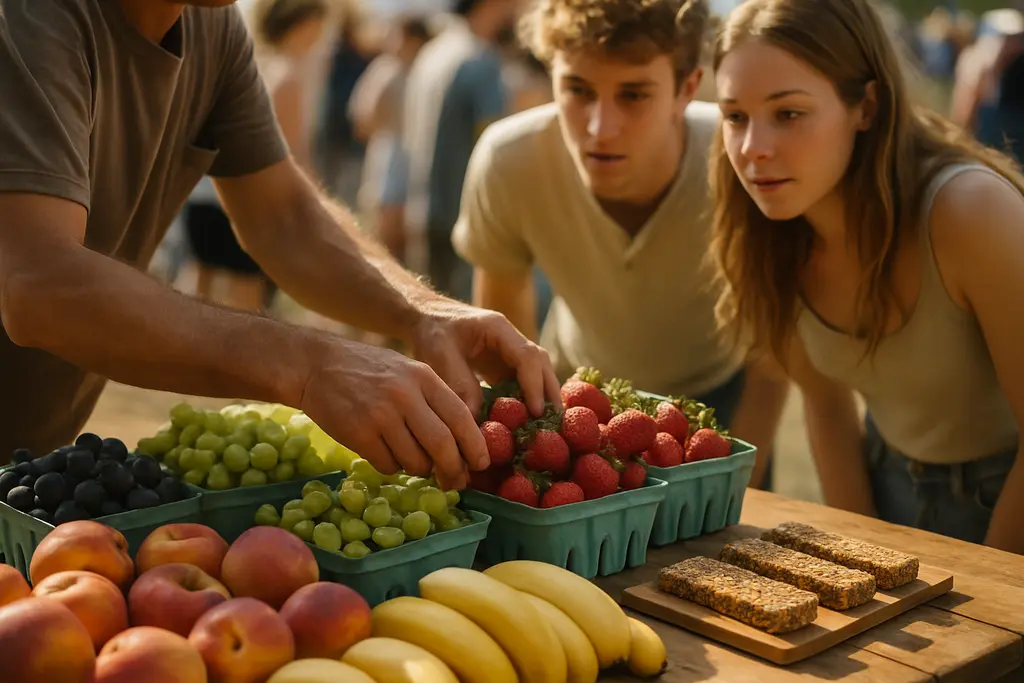
Craft Fair Nutrition is a practical concern for makers, collectors, volunteers, and visitors preparing for a long event such as the Kill Tide Craft Festival. A full fair day can mean early setup, long periods of standing, walking between booths, talking with artists, carrying purchases or inventory, and staying alert while making buying or selling decisions. The research base is stronger for sport and endurance settings than for craft fairs specifically, so the most careful approach is to adapt those fueling principles without overstating them.
That adaptation matters because handmade events are not passive shopping trips. For sellers, a fair day can include lifting boxes, arranging displays, managing payment systems, answering material questions, and maintaining a calm public presence for hours. For visitors, the physical demand may be lower, but heat, crowds, long lines, and irregular meal timing can still affect energy and comfort.
The goal is not a perfect diet plan. It is a reliable, familiar, low-risk food and hydration structure that respects the body, the event schedule, and the attention owed to artists and craft communities.
Why Craft Fair Nutrition Starts Before The Gate
Craft Fair Nutrition Timing For The First Meal
A solid meal about three to four hours before a long event gives the body time to digest while still making energy available. Colorado State University’s sports nutrition guidance notes that meals before activity should allow time for digestion and that high-fat meals can delay stomach emptying, which is one reason lower-fat choices are often preferred before sustained movement Colorado State guidance.
For a fair that begins early, this may mean breakfast before loading the car or before transit. For a later start, it may mean a planned brunch rather than grazing on whatever is available near the entrance. The research notes describe a pre-event meal pattern of about half carbohydrates, one quarter lean protein, and one quarter fruits or vegetables. That is not a rigid rule for every person, but it is a useful starting structure for a day that requires steady attention.
What The Plate Can Look Like
A balanced pre-fair plate can be simple: toast or oats with fruit and yogurt, rice with eggs and vegetables, a bean-and-grain bowl if that is familiar, or a sandwich with lean protein and fruit. The key is not novelty. It is predictability. Complex carbohydrates can support sustained energy, while fruit can provide a smaller amount of quicker carbohydrate. Protein can help reduce hunger later in the morning, especially if there are two to three hours before the busiest part of the event.
A practical Craft Fair Nutrition plan does not ask an artist or visitor to eat in a way that feels ceremonial or difficult. It asks them to avoid arriving underfed, dehydrated, or dependent on a last-minute sugary drink as the main source of energy.
Hydration And Familiar Foods
Why Familiar Beats Novel
Event day is a poor time to test a new breakfast, unfamiliar protein bar, or unusually spicy meal. A review on sport nutrition for young athletes notes the value of familiar foods and fluids before competition, especially because unfamiliar choices can increase the risk of gastrointestinal discomfort sport nutrition review. The setting is different, but the principle translates well to craft fairs: if the body has handled a food well before similar activity days, it is usually a safer choice than an untested option.
This is especially relevant for creators who cannot easily step away from a booth. Digestive discomfort, sudden hunger, or an energy crash can affect customer conversations and the ability to represent one’s work with patience. Artists spend years building trust through materials, process, and presentation; food planning is one small way to protect the focus needed for that exchange.
Food planning also sits beside wider event preparation: booth timing, display choices, respectful engagement with makers, and rights-aware merchandise decisions. For adjacent insights into the culture-commerce connection, NextClues provides additional perspective, though nutrition choices should still be guided by health-focused evidence.
Drinking Before Heat Or Crowds Build
The research notes recommend beginning hydration the day before and sipping water regularly during hot conditions. For a full-day fair, that means water should not begin at the entrance. It should begin during packing, travel, and setup. In hot weather or heavy sweating, non-caffeinated electrolyte drinks may be useful for some people, especially if plain water is not enough to maintain comfort.
High-sugar drinks and alcohol are poor foundations for a long active day. The issue is not moral judgment; it is performance and comfort. A maker who needs steady hands for demonstrations, clear communication with buyers, and patience during a rush benefits from steadier intake. A visitor who wants to appreciate handmade work thoughtfully also benefits from pacing hydration rather than treating it as an afterthought.
Snacks That Respect Creative Labor
Portable Choices For Makers
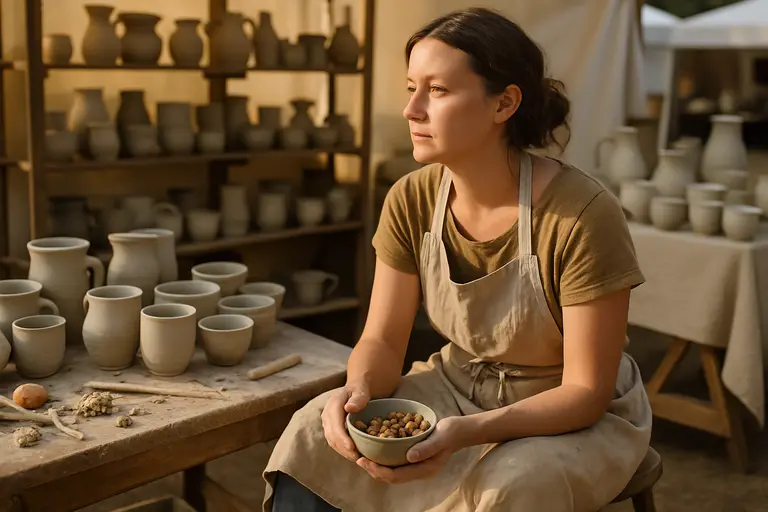
Small snacks 30 to 60 minutes before the event can help prevent early energy dips. The research notes identify easily digestible carbohydrate-rich options such as a banana, toast, fruit snacks, or a sports drink. For people who will be standing for hours, the snack should be easy to carry, quick to eat, and unlikely to create a mess near textiles, ceramics, prints, jewelry, or other handmade goods.
During the day, portable snacks that combine carbohydrate with some protein can support steadier refueling. A booth seller may not have time for a full lunch at the planned moment, and a visitor may be far from the food area when hunger appears. Planning reduces dependence on chance.
- Fruit with a familiar nut or seed mix, if tolerated.
- A granola or energy bar already tested on a busy day.
- Toast, crackers, or a simple sandwich wrapped for easy access.
- Trail mix in a small container that can be closed between bites.
- Water, with an electrolyte drink considered during heavy sweating.
Pacing Food Around Busy Periods
Many fairs have waves of activity. There may be an early rush, a quieter mid-morning stretch, a midday peak, and another period of movement later. The research notes suggest eating lighter before early peak periods and saving slightly more substantial snacks for steadier times. This is a practical way to align digestion with work rhythms.
For sellers, that may mean keeping the first snack simple before the booth becomes crowded, then eating a more filling snack once a helper arrives or traffic slows. For visitors, it may mean eating before a workshop, demonstration, or long browsing period rather than waiting until fatigue makes choices less thoughtful. Food pacing is not separate from cultural participation; it affects how carefully people listen, ask questions, and treat handmade work.
Craft Fair Nutrition For Makers And Visitors
A Careful Frame For A Full Fair Day
The most defensible advice is modest: eat a familiar meal three to four hours before the event, keep the meal balanced and not overly high in fat or fiber, use a small carbohydrate snack closer to the start if needed, begin hydrating before arrival, and pack portable snacks for the day. For activities lasting several hours, the research notes also point to the value of increasing carbohydrate intake in the 36 to 48 hours beforehand, especially for people expecting a physically demanding schedule.
Sleep also belongs in the plan. The research notes connect poor rest with weaker glucose metabolism and lower energy, while acknowledging that craft-fair-specific studies are limited. That limitation matters. Makers and visitors should not treat sport fueling advice as a precise prescription, and anyone with medical conditions or special dietary needs should rely on qualified health guidance.
Craft Fair Nutrition works best when it is ordinary, repeatable, and respectful of the day’s real demands. The handmade event is about artists, objects, stories, materials, and community trust. Eating and drinking well beforehand simply helps people show up with enough steadiness to take part with care.