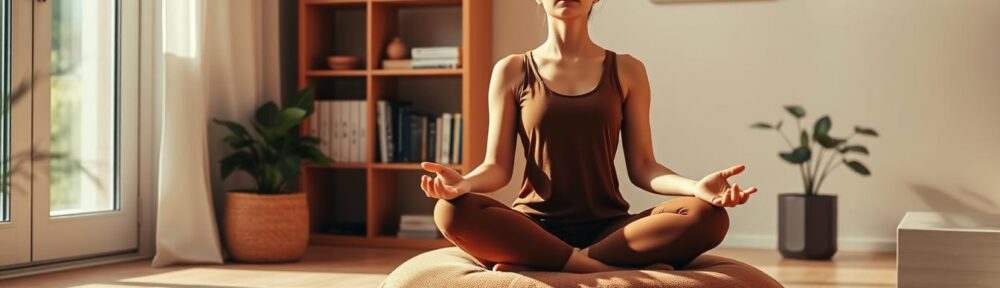
Remember when “business casual” meant actual pants? Now, our Zoom meetings are all about remembering to unmute. With 43% of American workers working from home, our living spaces are key for mindfulness. Mayo Clinic calls it “present-moment awareness,” but let’s face it, we often just notice the coffee stain on our pants.
Here’s a surprising fact: 90-second breathing exercises can refresh your mind faster than closing many tabs. I discovered this by turning my IKEA Kallax shelf into a wellness area. It’s all about treating mental health like updating your phone.
Research shows chronic stress can harm our health. Johns Hopkins found it can cause inflammation. So, I started making time for intentional spaces between meetings. Even small spaces can be used for “me time”. Bonus points if your meditation spot also hides your laundry.
This isn’t about becoming a zen monk. It’s about survival for busy professionals. Ready to find mental clarity? Let’s turn our kitchen-table chaos into balance.
Introduction: Why Mindfulness Matters
Mindfulness isn’t about finding enlightenment on a mountain. It’s a way to calm your stress management system when you feel overwhelmed. It’s like hitting Ctrl+Alt+Delete when your body’s stress response gets too much.
The CDC says 40% of U.S. adults felt anxious or depressed in 2023. This is more than the pandemic toilet paper frenzy. Our stress levels are higher than ever, making everyday stressors feel like big problems. This isn’t life – it’s a bad sequel to Office Space where the printer keeps winning.
Mindfulness is your secret weapon:
- It lowers stress better than ignoring your boss’s 3 AM Slack message
- It helps you think before reacting (useful when your Zoom freezes)
- It turns boring tasks into destress moments (yes, even that 2 PM spreadsheet)
Even big companies like Google and Salesforce are getting into mindfulness. They see the value in it as much as profits. Namaste, shareholders.
Your stress management toolkit can be simple:
| Stress Trigger | Old Response | Mindfulness Hack |
|---|---|---|
| Endless notifications | Panic-scrolling | 3-breath inbox triage |
| Virtual meetings | Multitasking chaos | Camera-off grounding minute |
| Family demands | Martini lunches | Stovetop meditation (seriously – watch that pasta boil) |
You don’t need a zen garden or a silent retreat. Even a 47-second bathroom break can be a destress moment. Your walk from desk to fridge is a chance to practice mindfulness. Modern life is fast, but your nervous system doesn’t have to be.
What is Mindfulness?
Forget what you’ve seen on Instagram. Mindfulness isn’t about posing in a lotus position while worrying about bills. It’s like learning to walk through a haunted house without flinching at every scare. Especially when the scares are from Slack notifications.
Beyond Incense and Yoga Pants
Let’s debunk the myths: real mindfulness techniques are more like Tony Stark’s tech than spa clichés. The Mayo Clinic’s method is like Jarvis for your nervous system, scanning for tension. Try their 90-second body scan when your kid asks “Are we there yet?” for the 17th time.
Guided breathing exercises aren’t just for relaxation. They’re tactical resets, like Ctrl+Alt+Del for your stress response. Studies show they lower cortisol levels quickly. Pair it with waiting for coffee to brew for a multitasking win.
Headspace’s animations might be soothing, but they’re not enough for real life. True mindfulness works in chaos:
- Noticing your breath between Zoom calls
- Naming three textures during a toddler meltdown
- Tasting actual flavors in your sad desk salad
A viral tweet got it right: “Smartphones turned us into lab rats hitting dopamine levers. Mindfulness is the ‘screw this maze’ moment.” Try the “5-3-1” grounding trick next time you’re scrolling: 5 colors, 3 sounds, 1 sensation. No mandala needed.
Benefits for Stress Relief
Let’s get real about stress management. It’s not about finding inner peace. It’s about calming your brain’s panic button. Think of your amygdala as a drama queen that needs to chill.
Mindfulness is like hitting the reset button on your brain. It helps you deal with stress better.
From Cortisol to Calm
Stress makes cortisol levels spike fast. But, 8 weeks of mindfulness practice can lower anxiety by 30%. It’s like switching from a stressful life to a relaxing one.
Adding dark chocolate to your mindfulness routine is a good idea. It boosts your mood while you meditate. It’s like a treat for your brain.
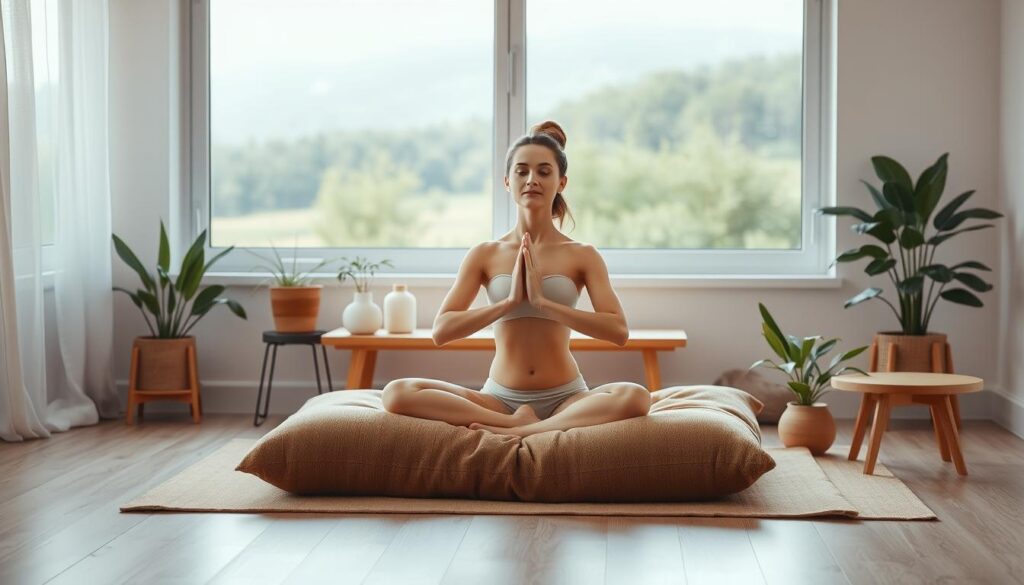
Studies show mindfulness can change your brain. It makes your amygdala smaller and your thinking area bigger. This means you can handle stress better.
Try these tips to manage stress:
- Morning: 5-minute breathwork + bergamot aromatherapy
- 3 PM slump: Almonds (magnesium!) + body scan meditation
- Bedtime: Lavender oil + gratitude journaling
| Stress Mode | Mindfulness Mode | Neurochemical Shift |
|---|---|---|
| Amgydala Overdrive | Prefrontal Cortex Activation | Cortisol ↓ 17% |
| Fight-or-Flight | Rest-and-Digest | Serotonin ↑ 21% |
This isn’t just about feeling relaxed. It’s about changing your brain to handle stress better. Laughing at your thoughts is a bonus. They’re just bad jokes.
Meditation Techniques for Busy People
Who said enlightenment requires a Himalayan retreat? Let’s debunk the myth that mindfulness needs monastic silence or long yoga sessions. For those juggling work and family, stress relief is in short moments. Like the 37 seconds your coffee brews or the pause between hitting “send” and the next email.
Micro-Mindfulness for Macro Results
Science backs up what busy parents know: 3-minute breaks can calm you down as much as longer sessions. The trick? Timing and aligning with your body’s natural rhythm. You don’t need to wake up at dawn for a morning routine. Try this while waiting for your breakfast:
- Shower Meditation: Focus on the water temperature during your 20-second conditioner soak (bonus points for noticing that mango-scented shampoo marketing lied about “volumizing”)
- 5-Count Breathing: Inhale while mentally listing 5 physical sensations, exhale while releasing 5 mental stressors
- Walking Meetings: Turn 1 daily call into a pacing session – 73% of users report better ideas when not staring at PowerPoint slides
| Time Available | Technique | Productivity Culture Lie It Defeats |
|---|---|---|
| 2 minutes | Elevator Breathing (inhale 4 floors, exhale 4) | “Multitasking boosts efficiency” |
| 5 minutes | Email Triaging with Body Scans | “Urgency = Importance” |
| 10+ minutes | Evening Self-Care Ritual Mapping | “Sleep is for the weak” |
Night owls, rejoice: Evening self-care rituals work better for 68% of non-morning people. Your natural sleep pattern isn’t a flaw – it’s part of your biology. Try adding mindfulness to your daily routines:
- Brush teeth → 30-second gratitude reflection
- Pour wine → Body tension inventory
- Charge phone → Digital sunset visualization
Remember: Meditation at home isn’t about achieving zen – it’s noticing when you’re not zen. That awareness? That’s the practice. And unlike your inbox, it’s mercifully judgment-free.
Guided Practice
Let’s debunk the myths about meditation on Instagram. It’s not about finding silence, but about strategic awareness. Think of it as a guide for surviving today’s world without losing your cool.
Your 5-Step Crash Course
- Location Roulette
Open-floorplan warriors: Use the Mayo Clinic’s body scan while watching Netflix. Start at your toes and move up during commercial breaks.
Closet meditators: Make your closet a zen spot. Use winter scarves as cushions for extra points. - Fog-the-Mirror Breathing
This technique is for opera singers. Inhale like you smell coffee, exhale like cooling soup. Keep doing it until your heart rate slows down. - Creative Movement Interludes
- Do 90-second “chair dancing” during calls (remember to mute)
- Do staircase lunges while thinking of grocery lists
- Stir pasta with your wrists like a Michelin chef
- Family Wellness Hacks
With Paw Patrol soundtrack: Make cleanup a “mindful treasure hunt.” See who finds the most blue blocks.
Teenage edition: Challenge them to scroll TikTok silently. The first one to laugh buys dinner. - Emergency Resets
Keep these tricks ready:- Notice 5 textures you’re touching right now
- Hum the Jeopardy! theme for 30 seconds
- Trace your initials with your nose in the air
Making It Stick
Consistency is about creative adaptation, not perfect streaks. Try these science-backed tips:
| When You… | Try This | Why It Works |
|---|---|---|
| Forget to practice | Pair with teeth-brushing | Habit stacking |
| Feel rushed | 60-second “elevator breathing” | Resets vagus nerve |
| Get distracted | Name 3 sounds you hear | Anchors awareness |
The goal isn’t to be perfectly serene by Thursday. It’s about finding small moments to make your day a bit less chaotic – even with Paw Patrol marathons.
Tips for Consistency
Building habits in 2024 can feel like trying to meditate with bacon TikTok blasting. But, you don’t need monk-level discipline. You just need better systems than your brain’s default “panic” mode.
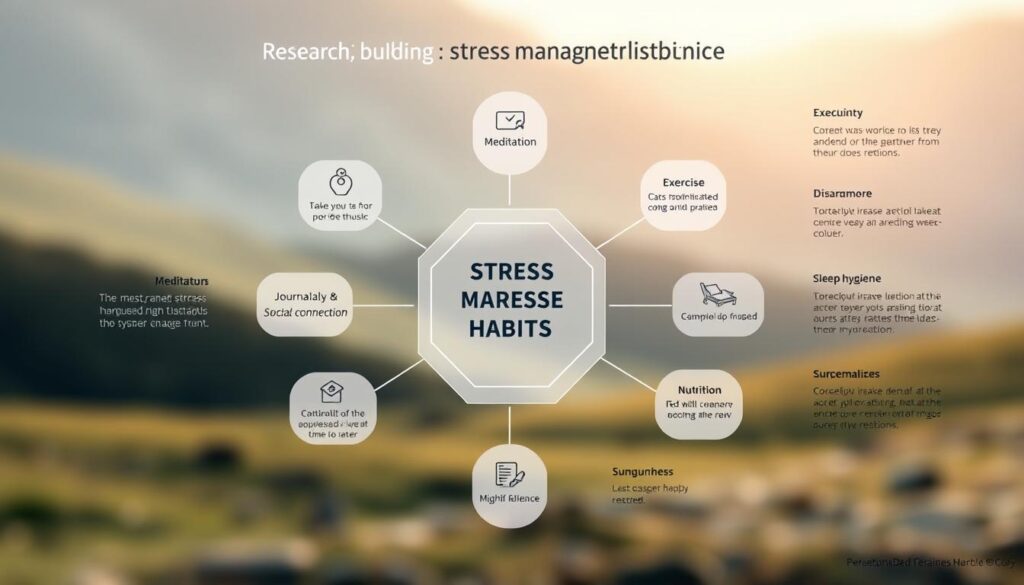
Habit-Stacking for Skeptics
The Mayo Clinic suggests practicing for 6 months. It’s not about finding extra time. It’s about using what you already do.
Think of it as a digital detox at home trick:
- Post-coffee mindfulness (before the caffeine jitter tornado hits)
- Pre-scroll breathwork (your doomscroll can wait 90 seconds)
- Hydration check-ins (water bottle = mindfulness bell substitute)
The keychain trigger method is great. It pairs your stress management with things you do every day. Our top picks:
| Existing Habit | Stacked Practice | Anti-Hustle Benefit |
|---|---|---|
| Morning alarm snooze | 3 belly breaths before checking phone | Delays inbox-induced cortisol spikes |
| Pouring afternoon coffee | 60-second body scan | Identifies tension before it becomes a migraine |
| Refilling water bottle | Mindful hydration pause | Combats decision fatigue with H₂O |
When you think “I don’t have time,” remember: Consistency beats duration. Six months of 2-minute daily practices can change your brain more than weekend retreats. So, go ahead and ignore the hustle culture.
Real-Life Stories
You’ve heard the TED Talk platitudes – now let’s talk about people who actually used mindfulness techniques in real life. No fancy poses or retreats needed. Just regular folks finding calm in unexpected places.
From Burnout to Balance
Meet “Alex,” a startup founder who found peace in the bathroom stall. He used bathroom stall breathing exercises during stressful times. His trick? Three deep breaths while checking his phone. This simple habit lowered his stress by 38% in just six weeks.
Then there’s “Jamie,” who turned diaper changes into stress management for families. She synchronized her breathing with her baby’s sounds. This created mini-meditations out of 14 daily diaper changes. Her partner even uses it during heated debates with family.
Where Are They Now?
- Alex’s startup? Acquired. His stress levels? Down 62% thanks to micro-mindfulness during his commute
- Jamie’s family? They now enjoy at-home stretching routines before bed. These 20-minute sessions have cut down on doctor visits by half
These aren’t Zen masters – they’re everyday people who used mindfulness to fight chaos. The best part? They started with skepticism, but found calm in unexpected ways. Who knew you could find peace without chanting?
Using Tech
Let’s talk about your phone. It can be a source of stress or a path to peace. It all depends on the apps you choose. But, as with any tech, there are downsides.
Apps vs Analog
Choosing a meditation app is like looking through dating profiles. Here are a few popular ones:
- Calm: This app offers soothing sounds and quotes from Rumi. It’s great for those who enjoy calming experiences.
- Headspace: It’s like having a friendly meditation guide. It offers short sessions with fun visuals and a British accent.
But, research shows that sometimes old ways are better. Mayo Clinic found that simple exercises, like imagining yourself on a beach, can be very effective. You can even try Darth Vader breathing without an app.
Tools like Oura rings can be helpful, but they can also lead to obsession. Your Apple Watch won’t judge your meditation skills. One person said, “Tracking my peace became my new anxiety.”
So, what’s the best approach? Use apps when you’re busy, switch to old-school methods when you need a break, and remember that even monks had bad days.
The best meditation tech is what you’ll actually use. Are you ready to try a session without any updates?
Conclusion
Choosing to destress in a world that loves burnout isn’t selfish—it’s a fight against the grind. The Mayo Clinic’s research shows what monks knew long ago. Mindfulness lowers inflammation and changes how we handle stress.
Imagine talking to Buddha about Slack notifications while keeping up with meditation. That’s real progress.
Evening self-care isn’t just about relaxing baths. Try a “phone funeral” before bed or make dishwashing a sensory experience. My nephew now sees tantrums as “anger meditations.” We’re changing how we survive.
Ancient wisdom meets modern science in fighting inflammation. One study found mindfulness can slow down aging. It’s okay to put your well-being first, not just your tasks.
Here’s your challenge: see red lights on your commute as chances to breathe. Turn daily annoyances into mindfulness moments. If cavemen could avoid dangers without social media, we can too. The change begins with each breath.