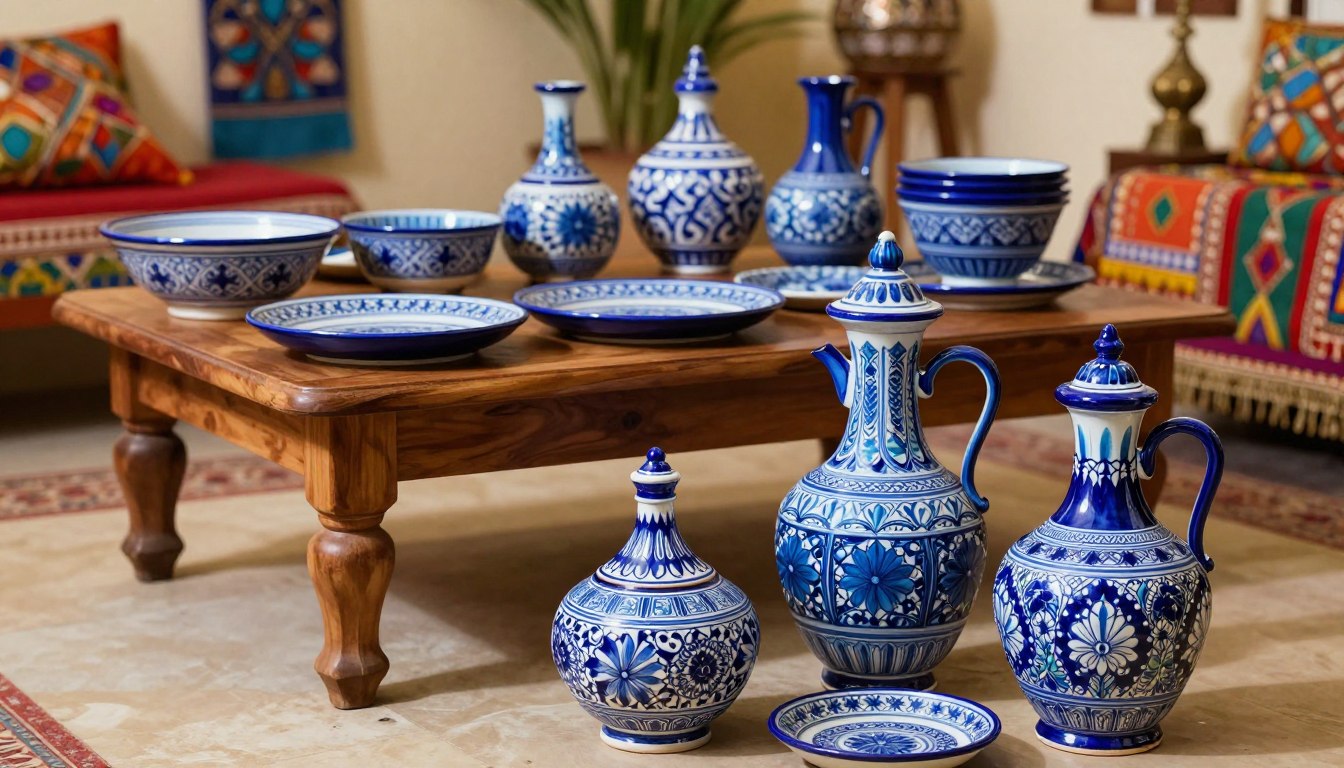
Imagine having a piece of history that also holds your morning coffee. For centuries, artisans have mixed Persian elegance with Rajasthani spirit.
This tradition is known for its bright, turquoise-blue glaze and detailed, hand-painted designs. Each piece shares a story of cultural mix and artistic commitment.
Now, these pieces are valued as functional art. They let you add heritage and beauty to your home.
Those who love this craft look for authentic pieces. They value its unique charm and the deep connection to a rich artistic history.
But how do you know if it’s real? Can you use it every day, and how should you take care of it? This guide offers actionable insights for choosing, using, and keeping these items.
We’ll give you tips on checking authenticity, using it safely, and caring for it right. Let’s dive into this fascinating world of craft.
Introduction: Why urban and diaspora buyers love Jaipur blue pottery
In homes from Manhattan to Melbourne, Jaipur Blue Pottery’s vibrant colors are making a big impact. It’s not just a trend. For many, these pieces blend art, history, and eco-friendly choices beautifully.
The beauty of these pieces is undeniable. Their cobalt blues, turquoises, and whites bring a refreshing vibe to modern spaces. The hand-painted designs add a special touch, making each piece a unique artistic statement.
For those from diverse backgrounds, these pieces hold a deeper meaning. They connect buyers to their cultural roots. Each item is a cherished symbol of identity and continuity.
Today, people want to buy things that matter. They look for ethical sourcing. Buying authentic Jaipur Blue Pottery supports local artisans and keeps traditions alive.
This mix of beauty, emotion, and positive impact has made the craft very popular. It turns a simple buy into an investment in culture and community.
How it’s made: Quartz, gum, and low-fire glazing process (why it chips/what that means)
Jaipur blue pottery is special because it’s not made from clay. It’s made from a unique dough that makes it light and semi-transparent. This sets it apart right away.
This dough is a special mix of materials:
- Quartz powder and glass are the main parts.
- Multani Mitti (Fuller’s Earth) and gum help hold it together.
- Borax and water make it easy to work with.
Making each piece is a detailed, handmade process. First, the dough is shaped. Then, artists draw the designs freehand. Painters use natural colors for each stroke.
You can learn more about the blue pottery making process to see the skill involved.
The final steps are where the magic happens. The painted piece is glazed and fired at a low temperature. This is important because it’s much lower than usual.
This low-fire method has both good and bad sides. It makes the pottery look amazing but also makes it fragile. The glaze and body don’t become super hard and strong.
Knowing why it’s fragile is key. It chips easily and can crack from sudden temperature changes. This isn’t a flaw but a sign of its handmade nature. It shows the value of human skill over machine-made items.
Authenticity checklist: motifs, brush marks, pinholes, weight, foot-ring, GI cues, artisan signatures
An authentic piece of Jaipur blue pottery shows its handmade roots through certain traits. Knowing what to look for helps you buy with confidence. This guide helps you check with your eyes, ears, and touch.
- Examine the Motifs and Brushwork: Look for traditional designs like floral patterns, peacocks, or elephants. Real pieces have slight brush stroke variations. These show human touch, not machine perfection. Tiny pinholes in the glaze are common and show the low-fire process.
- Feel the Weight: Pick up the piece. Genuine blue pottery is surprisingly lightweight. It’s made from a mix of quartz, raw glaze, and gum, not dense clay. A heavy feel often means it’s fake.
- Listen to the Sound: Gently tap the item with your fingernail. Real pottery makes a distinct, high-pitched, metallic ring. A dull thud means it’s not real.
- Check for Translucency: Hold thinner items, like plates or vase rims, up to a light source. You should see a slight semi-translucency. This confirms the fine, quartz-based body.
- Inspect the Base for a Foot-Ring: Turn the piece over. Most authentic blue pottery has a raised, unglazed ring on the bottom, known as a foot-ring. This is a traditional technique for stability during firing and a key structural clue.
- Look for the Artisan’s Signature or GI Tag: Many reputable artisans sign their work. The most reliable mark of provenance is the official Geographical Indication (GI tag) logo. This certification guarantees the item was made in the Jaipur region using traditional methods.
Remember, minor imperfections like brush mark variations or small pinholes are signs of authentic handcrafting, not flaws. A perfectly uniform, glossy finish with no character might indicate mass production.
Prioritizing pieces with an artisan signature or the official GI tag offers the highest assurance of provenance and supports traditional craft communities. This checklist turns you from a casual buyer into a knowledgeable collector, ensuring your blue pottery is both beautiful and genuine.
Safety first: Lead-safe claims, how to ask for test reports, food-contact guidance
Before you use that stunning platter for your next dinner party, a key question must be answered: is the glaze lead-free? Some traditional pottery glazes had lead for bright colors and a smooth finish. For today’s collectors and users, this history shows why modern safety standards are so important.
Now, reputable Jaipur workshops focus on safety. Studios like Neerja International and Kripal Kumbh make tableware with certified lead-free glaze. This change lets us enjoy the vibrant art without health worries.
As a smart buyer, you can ask for proof. Don’t be shy to reach out to sellers with these clear questions:
- “Is this glaze certified lead-free for food contact?”
- “Can you provide a laboratory test report for lead and cadmium release?”
- “Is this piece intended for decorative or functional use?”
The advice is simple. For items that will hold food or drink—plates, cups, bowls—only use those with a lead-free glaze. Keep decorative pieces or antique finds for non-food items, like holding dry goods or as wall art.
A last tip is about the microwave. Even with a lead-free glaze, avoid microwaving pieces with metallic oxide details (like gold or copper lines). These can spark. So, use your blue pottery for cold or room-temperature items.
Checking safety makes beautiful pottery safe to use. This knowledge lets you enjoy your pieces with confidence, which we’ll explore next.
Everyday Use: Serveware vs. Decor, Heat/Cold Tolerance, and What to Avoid
Using blue pottery every day means knowing the difference between decor and serveware. This knowledge helps you enjoy your pieces safely. Each item has its own purpose, and knowing that purpose keeps your investment safe.
Jaipur blue pottery usually falls into two groups: decorative objects and functional serveware. Decor items like vases, tiles, and sculptures are for display only. Their glazes and shapes aren’t made for handling food.
On the other hand, simpler items like bowls, plates, and cups with safe glazes are okay for food. Always check with the maker or seller before using any piece with food.
Here’s a guide to help you tell the difference between types of pieces.
| Piece Type | Primary Use | Key Considerations |
|---|---|---|
| Vase, Tile, Sculpture | Decor | Display only. Avoid contact with food, liquids, or direct sunlight for prolonged periods. |
| Bowl, Plate, Platter | Serveware | Safe for dry foods, fruits, or bread. Confirm lead-free glaze. Hand-wash only. |
| Cup, Mug, Teapot | Serveware (with caution) | Not for microwave or dishwasher. Always pre-warm with lukewarm water before adding hot liquids. |
Understanding Heat, Cold, and Thermal Shock
Blue pottery’s low-fire glazing makes it sensitive to sudden temperature changes. This is called thermal shock. It can lead to cracks or breaks.
For example, pouring boiling tea into a cold cup is risky. The piece can’t expand fast enough, causing damage. To avoid this, warm your serveware first. Start with lukewarm water, then add hotter liquids slowly.
Also, don’t move a hot piece to a cold surface. Blue pottery isn’t made for oven use.
What to Avoid: The Definite “No” List
Following these rules helps keep your pottery safe. These actions often cause damage.
- Dishwasher: The high-pressure jets and harsh detergents can damage the glaze and decoration. Always hand-wash gently with mild soap.
- Microwave: Authentic blue pottery is generally not microwave safe. The glaze’s metallic oxides can react unpredictably, and the rapid heating is risky.
- Direct Stovetop Flame: Never use on a gas or electric burner. The direct, concentrated heat will crack the piece instantly.
- Sudden Temperature Extremes: Avoid moving pieces from a freezer to a hot surface, or from a hot dishwasher to cold water. Always let pieces adjust to room temperature slowly.
- Abrasive Cleaners or Scrubbers: Use only soft sponges. Steel wool or scouring pads will scratch the glazed surface.
By following these guidelines, you can make your blue pottery last longer. Proper use is the first step in caring for it, which we’ll discuss next.
Care & cleaning: Stain removal, chip management, storage, shipping-safe packing
Caring for blue pottery is a mindful ritual that honors its handmade nature. With the right approach, you can preserve its beauty and keep it functional for years.
The key to good care is a gentle cleaning routine. Always hand-wash pieces with lukewarm water and mild soap. Avoid harsh chemicals and dishwashers, as they can damage the glaze and dull colors. Dry the pottery immediately with a soft cloth or let it air-dry completely. Never store a damp piece, as moisture can weaken it over time.
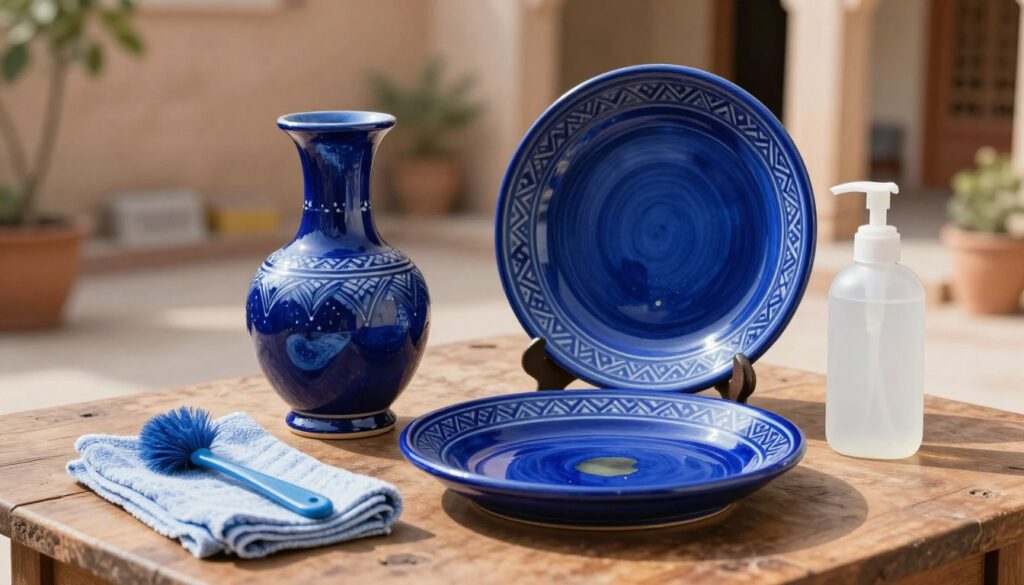
For stain removal, a baking soda and water paste is safe. Apply it gently to the stain with a soft cloth, let it sit, then rinse well. This method works for most stains like tea or turmeric without harming the glaze.
Blue pottery can chip or have rough edges. For minor chip management, use fine-grit sandpaper to smooth sharp edges. See minor wear as part of the piece’s story, like a well-loved antique.
Proper storage is key for preservation. Store pieces individually, if possible. If stacking, use a soft cloth or felt pad between each item to prevent scratching. Keep them on a stable, dry shelf away from sunlight, which can fade colors.
When moving or storing pieces seasonally, use shipping-safe packing techniques. Wrap each piece in bubble wrap, foam peanuts, or packing paper. Wrap handles or rims carefully. Double-boxing with extra cushioning absorbs shocks and reduces damage risk.
By following these care guidelines, you help your Jaipur blue pottery last longer. Each gentle wash and thoughtful storage decision preserves the artisan’s work. This way, you can enjoy these beautiful objects for a lifetime.
Styling & gifting: Color palettes, pairing with table linens, gift bundles under ₹999/$50
Blue pottery is not just beautiful; it’s also very versatile. It can brighten up your home and make great gifts. This section will show you how to use these pieces in your life and share them with others.
Start with color. Cobalt blue is a strong base. Mix it with terracotta for a lively contrast. Or, pair it with sage green for a calm look.
For a clean look, use blue pottery against white. Think of white marble or simple tablecloths. This highlights the pottery’s details.
Blue pottery fits many styles. Use mismatched plates for a bohemian feel. A vase with sea designs works well for a coastal look. One trinket box can make a minimalist shelf stand out.
When it comes to gifting, blue pottery is special. It tells a story of heritage. It’s perfect for those looking for beautiful, budget-friendly gifts.
Here are some gift ideas under ₹999 or $50:
- The Hostess Set: A pair of hand-painted coasters and a candle holder.
- The Jewelry Collector’s Box: A trinket box and artisan-made earrings.
- The Tea-Time Duo: A teacup and saucer with Indian tea.
For gifts to USA, choose light, small items. Coasters, pendants, or small boxes are good. Handmade items are loved everywhere, bridging cultures.
Gifts from Jaipur are more than presents. They’re a thoughtful gesture that celebrates art and connection.
Price transparency: What drives cost (hand-paint time, glaze, wastage)
Price transparency is key to understanding the true value of Jaipur blue pottery. This art form’s cost is influenced by time, skill, and loss.
Unlike machine-stamped ceramics, each piece is a unique product of painstaking human effort. The price tag reflects this reality.
Let’s break down the three major cost drivers that justify the investment.
- Skilled Labor & Hand-Paint Time: The most significant factor is the tedious hand-painting process. Creating Persian or floral motifs requires a steady, experienced hand. A single plate can take an artisan 12 to 15 days to complete, from molding to final glazing. Every brushstroke is applied freehand, making replication impossible. You are paying for weeks of concentrated artistic skill.
- Premium, Lead-Free Glazes: Authentic, food-safe Jaipur blue pottery uses specially formulated glazes. These lead-free mixtures of quartz, glass, and minerals are more expensive than industrial alternatives. The vibrant cobalt blues and other colors are achieved through multiple low-fire applications, adding to the material cost. This ensures beauty without compromising safety.
- The Hidden Cost of Wastage: Perhaps the most overlooked factor is kiln breakage. The low-fire process is delicate. Sudden temperature changes can cause pieces to crack or shatter. A high percentage of pottery never makes it out of the kiln. This production wastage is factored into the final price of the surviving pieces, ensuring artisans are fairly compensated for their labor despite the loss.
This breakdown shows why a machine-made ceramic plate costs less. Mass production eliminates the variables of hand-painted artistry and high wastage rates.
When you purchase authentic Jaipur blue pottery, you are investing in preserved craftsmanship. You support a multi-week journey from raw quartz paste to a finished work of art. The price reflects resilience against a process where not every attempt succeeds.
Understanding these cost drivers transforms a purchase from a simple transaction into an informed appreciation of heritage and human skill.
Maker spotlight: A Jaipur family workshop story and fair-pay model
Beyond markets and online stores, Jaipur blue pottery thrives in family workshops. Here, fair pay ensures the craft’s future.
Kripal Singh Shekhawat’s legacy is a key example. He founded Kripal Kumbh studio, dedicating his life to blue pottery. His family now carries on his work, using the same techniques for generations.
Passing on knowledge is a slow, intimate process. A parent guides a child in perfecting a boota motif. They teach the exact mix of materials and the secret to the sky-blue glaze. This education happens at the workbench, not in school.
For years, the craft survived on passion alone. But today, economic pressures threaten this model. When artisans are underpaid, their children often choose other careers. This breaks the chain of knowledge.
Ethical sourcing can change this. A fair-pay model ensures artisans earn a living wage. This income validates their years of training and the cultural value of their work.
How does this model work in practice?
- Direct Workshop Purchases: Buying directly from family studios like Ram Gopal Blue Pottery helps more money reach the maker. This removes middlemen.
- Certified Cooperatives: Some organizations act as ethical bridges. They guarantee minimum prices that cover costs and provide a sustainable profit.
- Transparent Pricing: Brands that partner with these workshops explain the value of each piece. You see the hours of hand-painting that go into it.
Fair compensation makes the craft a viable career. It encourages the next generation to learn the craft. This cycle of support is the heart of true ethical sourcing.
Choosing a piece from such a workshop is more than buying decor. It’s investing in a family’s legacy. You help preserve a technique that defines Jaipur. You become part of a story that keeps this beautiful art alive for future generations.
This human connection turns a simple purchase into a meaningful act of preservation. It’s the most authentic form of ethical sourcing available.
Buying online: Returns, breakage policies, duties for US/UK/CA/UAE
When you buy blue pottery online, look beyond the beauty. Practical policies are key. International shipping and customs can be tricky. A smart approach ensures your items arrive safely and without unexpected fees.
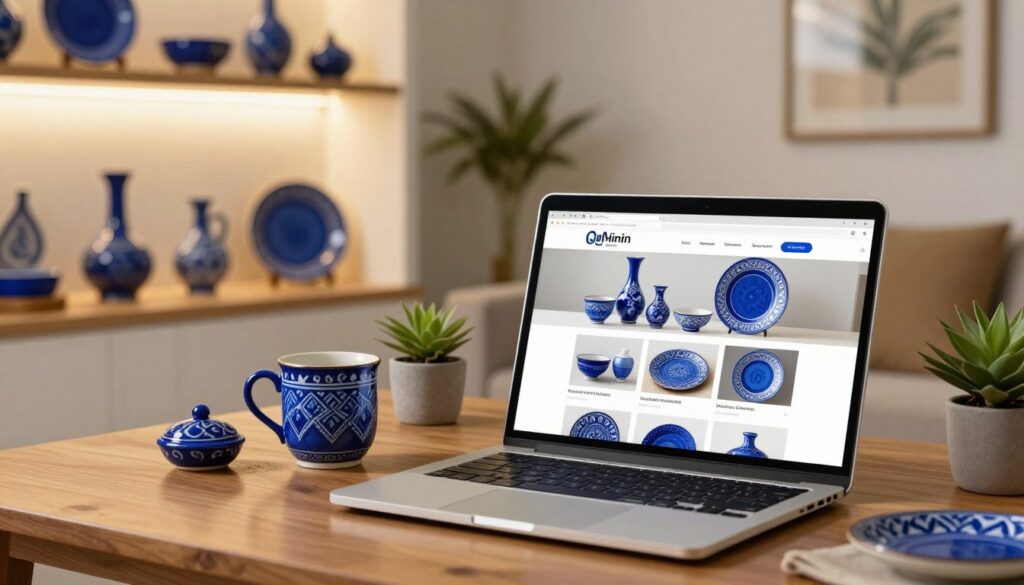
Before you buy, check three important things on the seller’s site. They make all the difference.
- Clear Returns Policy: A good policy lets you return items in 7-14 days if they’re as described. This protects you if the item isn’t what you expected.
- Specific Breakage Policy: This policy is essential. It should say what happens if your item gets damaged. Look for a policy that covers breakage without extra cost to you.
- High-Quality Product Photos: Sellers should show items from different angles and close-ups. You should see brush marks, glaze texture, and the foot-ring clearly. This helps you check the craftsmanship before buying.
A breakage policy is your safety net. Blue pottery is delicate. Even with careful packing, damage can happen. Sellers like Kripal Kumbh or Neerja International have strong procedures. They use extra care and handle claims if damage occurs.
For buyers in the US, UK, Canada, and UAE, import duties are important. These fees are set by your local customs, not the seller. Check your country’s duty-free import threshold. Here’s a guide for common destinations:
| Country | Typical Duty Threshold | Potential Fee Range for Pottery | Who Pays? |
|---|---|---|---|
| United States (US) | $800 | 0-6.5% of item value | Buyer (if over threshold) |
| United Kingdom (UK) | £135 | 20% VAT + possible import duty | Buyer (collected at delivery) |
| Canada (CA) | CAD $20 | 5% GST + possible PST/HST | Buyer (often via courier) |
| United Arab Emirates (UAE) | AED 1000 | 5% VAT | Buyer |
Always check current duty rates on your national customs website. Some online stores may give duty estimates at checkout. This is helpful.
Buying from established, reputable sellers is best. They focus on secure, professional packaging. Look for mentions of “artisan partnerships” or “fair-trade” models. These sellers understand the product’s value and offer clear policies and support.
With the right knowledge, you can buy blue pottery online with confidence. Choose sellers who prioritize your purchase’s safety and are clear about costs. This makes online shopping a reliable way to get authentic Jaipur craftsmanship.
FAQs + internal links to collections
Got questions about your new pottery? This FAQ answers common ones for new owners.
Is Jaipur blue pottery microwave safe or dishwasher safe? No, it’s not safe for either. The material can crack from sudden temperature changes. Washing by hand keeps it looking great.
Does the vibrant color fade? The colors stay bright under the glaze. A lead-free glaze keeps the colors vibrant. Just avoid direct sunlight for long periods.
Can I use the decorative tiles in a bathroom? Yes, they’re great for wall accents or borders. But, they’re not good for shower floors or areas that get a lot of water.
What does the GI tag guarantee? The GI tag proves it’s from Jaipur and made the traditional way. It’s a sign of authenticity.
Looking for the perfect piece? Check out our lead-free tableware and decorative vases. Mixing handmade serveware with modern tools makes a beautiful kitchen. Find smart kitchen gadgets that match your style.