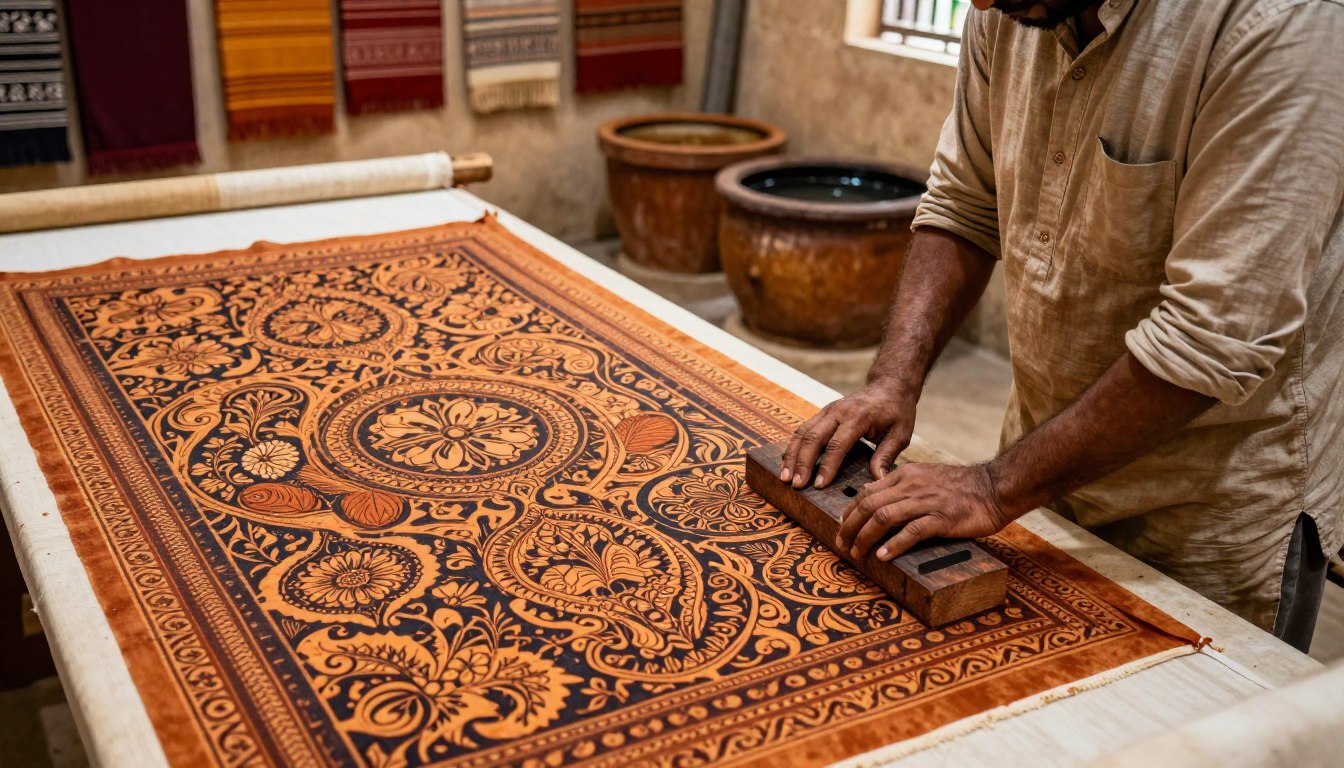
Imagine a textile that tells stories of earth, water, and human skill. This is the essence of a revered craft from Rajasthan, India. It comes from Bagru near Jaipur, a living cultural museum of artisan communities.
The process uses carved wooden blocks and a unique mud-resist, or bagru dabu, technique. Artisans create stunning motifs with natural dyes. These motifs include flowers, animals, and folk scenes. Each piece shows generations of knowledge.
This guide is your masterclass. We’ll make the hand block printing process clear from start to finish. You’ll learn to spot authentic work, judge its quality, and understand its value. Our aim is to help you appreciate and buy these timeless textiles for today’s lifestyle.
Intro: Earthy elegance for modern wardrobes
These handcrafted Rajasthan textiles add a touch of earthy elegance to our daily outfits. They move us away from fast fashion, connecting us to the rich heritage of artisans. This makes them both authentic and stylish.
The beauty of these textiles lies in their organic designs and natural colors. Imagine delicate flowers, geometric shapes, and peaceful scenes in shades of indigo, terracotta, and earthy tones. These colors and patterns bring a sense of calm and artistry.
In Bagru’s lively streets, you’ll see textiles drying in the sun. Here, the craft is alive and changing. Artisans mix traditional prints with modern styles, opening up endless ways to style. These prints offer a peaceful escape in our fast-paced lives.
For today’s working professionals, these textiles are incredibly versatile. A Bagru block-print kurta can be a bold statement or a key piece for a smart, travel-friendly wardrobe. They also enhance home decor, adding warmth to tablecloths and cushions.
In the end, Bagru block prints meet our need for realness. They offer a subtle yet powerful elegance, deeply rooted in human craftsmanship.
Village and craft lineage; artisan cooperative model
To truly value a Bagru print is to understand its origin story. This story is woven into the fabric of the Chhippa community for over three centuries. Bagru, a town in Rajasthan, is a living textile museum.
The Chhippa community migrated to Bagru centuries ago. They brought their knowledge, turning local earth and plants into art. Today, 200+ families in Bagru make this craft their main livelihood.
Knowledge is passed down through generations here. Skills are shared from master to apprentice, often from parent to child. This ensures techniques stay pure and deeply understood.
This setup is an artisan cooperative model. Families work together, sharing resources like dyeing vats and drying yards. They work as a community, not as competing factories.
For those who care about ethical sourcing, this is important. Buying authentic Bagru block print supports these families. Your purchase helps keep a 300-year-old culture alive and supports a sustainable economy.
The table below shows the differences between this model and industrial production:
| Aspect | Bagru Artisan Cooperative Model | Industrial Textile Production |
|---|---|---|
| Knowledge Source | Generational, lineage-based mastery passed down orally and through practice. | Standardized technical training based on machine operation. |
| Production Pace & Goal | Seasonal and deliberate, focused on craftsmanship and quality of each piece. | High-speed, focused on volume, uniformity, and meeting bulk quotas. |
| Revenue & Profit Distribution | Revenue flows to artisan families and the local community, sustaining a heritage craft. | Profit is centralized, often directed to corporate shareholders far from production sites. |
| Product Character | Each piece is unique, with slight variations that attest to its handmade nature. | Products are perfectly identical, designed for consistency across thousands of units. |
| Environmental Impact | Uses natural dyes (indigo, alizarin) and mud-resist, creating minimal chemical waste. | Often relies on synthetic dyes and chemicals, with a larger ecological footprint. |
Choosing Bagru is more than a style choice. It’s a choice for ethical sourcing. You support a living history and ensure the Chhippa community’s skills thrive.
This cooperative model makes every Bagru textile special. It carries the maker’s hand and the community’s story. Understanding this lineage adds deep meaning to the patterns you wear and use.
Step-by-step: Dabu resist, indigo/alizarin baths, sun-drying
Making a Bagru Dabu textile is a detailed process. It involves the artist, mud, and natural dye. This hand block printing method has a specific order. Each step is key to getting the unique, earthy designs.
Artisans start with wooden blocks they’ve carved by hand. They press these blocks into a thick paste. This Dabu resist mud is made from local clay, gum, and lime.
They apply the paste to certain areas of the fabric. These spots will resist the dye later. The fabric is then left to dry a bit.
Then, the fabric goes into deep dye baths. For blue, they use fermented indigo. For red, they use alizarin from madder root.
This is where the magic happens. The dried mud blocks the dye. The dye only colors the uncovered fabric, making the pattern.
After dyeing, the fabric is dried in the sun. This sun-drying step is very important. As the mud dries, it cracks and breaks.
These cracks let a little dye seep through. This creates the signature, lovely cracked look of Bagru Dabu. No two patterns are the same.
For designs with many colors, the process repeats. Artisans wash, reapply mud, and dye the fabric again. They use iron acetate for black and alum-treated madder for red.
The last steps are washing and setting the colors. This hard work, done over years, turns simple cotton into a vibrant, textured piece.
Recognizing handwork vs screen prints
The beauty of hand block printing lies in its imperfections. These small quirks show that a real person made the fabric, not a machine. They are a sign of authenticity.
Here are the signs of true hand block printing:
- Varied Alignment: Patterns might not line up perfectly. You might see a line that’s a bit off or a space where there shouldn’t be one.
- Color Nuances: The dye in each design can vary slightly. This creates a natural, organic look.
- Textured Impression: You can feel the soft, embossed mark where the block touched the fabric. It adds a special touch.
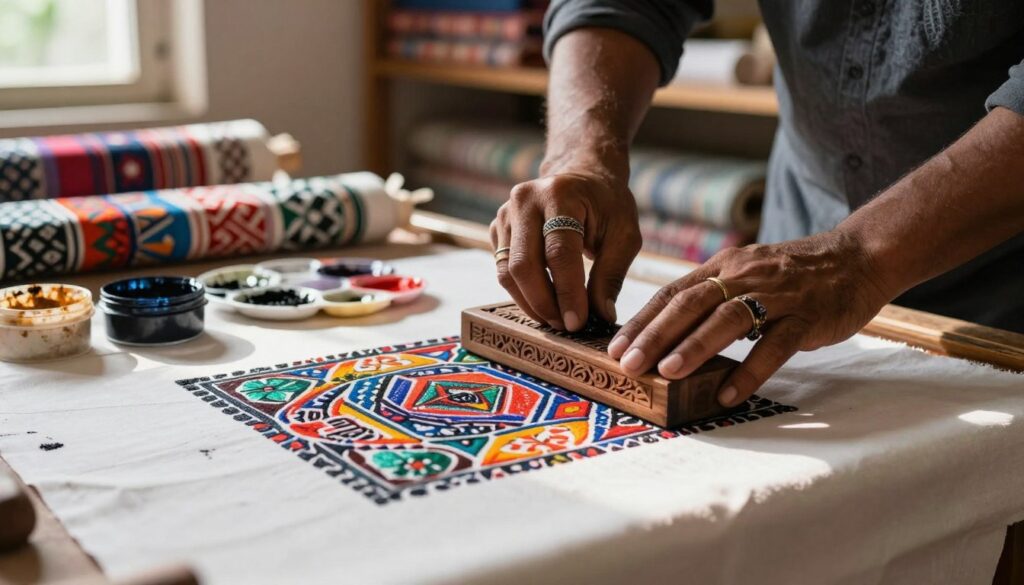
Screen prints and digital copies, on the other hand, aim for perfection. Their patterns are perfectly uniform, and colors are even across the design. The fabric feels smooth, with no texture from printing.
This table shows the main differences:
| Feature | Authentic Hand Block Printing | Screen Printing |
|---|---|---|
| Pattern Alignment | Subtle variations and shifts; imperfect repeats. | Perfectly uniform and consistently aligned. |
| Color Application | Nuanced saturation; slight inconsistencies within motifs. | Flat, even color coverage throughout. |
| Surface Feel | Often has a gentle, textured impression from the block. | Smooth, with no tactile imprint from printing. |
| Overall Character | Each piece is unique, with charming imperfections. | Every copy is identical and mechanically perfect. |
Choosing hand-blocked textiles means you value the human touch. The slight imperfections are not flaws but signs of uniqueness. This lets you spot true craftsmanship and buy pieces with character and soul.
Quality checklist: Crisp outlines, resist cracks, smell/handfeel
Quality in Bagru textiles goes beyond looks. It’s about feeling and smelling them too. Hand-blocked pieces have unique marks that show they’re made by hand, not machines. Use this checklist to check any Bagru print you see.
First, look at the print lines. They should be sharp and clear. A little bit of unevenness is okay and shows it’s made by a person. For Dabu prints, check the areas that resist dye.
These areas should have tiny cracks in the dye. This is a desired characteristic. It shows the Dabu technique, where mud paste cracks and lets dye in, creating a unique pattern.
Next, touch the fabric. Hand-block printing adds a texture you can feel. This texture is missing in machine prints. The fabric should feel thick and soft, not stiff or treated with chemicals.
Then, smell the fabric. Bagru textiles made with natural dyes have a mild scent. It might smell like earth, leaves, or spices. This smell is different from synthetic dyes.
Lastly, think about how long it lasts. Good Bagru prints keep their colors well. This is thanks to natural dye care and skill. With the right care, these prints stay vibrant for many years.
The table below summarizes this multi-sensory quality checklist for quick reference:
| Sense | What to Look For | Why It Matters |
|---|---|---|
| Sight | Crisp, slightly irregular outlines; fine cracking in Dabu resist areas. | Confirms authentic hand-block and Dabu techniques, not mechanical printing. |
| Touch | Slight texture on the printed surface; fabric is soft and substantial. | Indicates physical hand-printing process and use of quality, natural cloth. |
| Smell | Mild, earthy, clay-like, or vegetal scent; no chemical odor. | Signals the use of natural dyes (indigo, madder) and traditional, non-toxic processes. |
| Longevity | Deep, rich colors that promise good color fastness with proper care. | Reflects skilled dyeing and mordanting, ensuring the piece remains beautiful for years. |
By using these simple checks, you go from just seeing a pattern to truly understanding the craft. You learn to value the durability of natural dyes and the artisan’s skill. This knowledge ensures your investment supports authentic artistry and brings a piece of enduring quality into your home or wardrobe.
Fair pricing: Time, trials, and dye costs explained
A fair price for Bagru block printing shows the real cost of ethical sourcing. It covers the cost of special skills, natural materials, and cultural heritage. It’s not just a price, but a way to value the effort and resources put into each piece.
The cost starts with hours of careful work. Making one piece means carving blocks, mixing paste, and printing by hand. Each step needs focus and can’t be rushed without losing quality.
Materials also add to the cost. Artisans use high-quality, often handmade, fabrics. The natural dyes, like indigo and madder root, are rare and expensive. Creating these dyes is a trial-and-error process, as research on artisan cooperative economies shows.
Every authentic piece has several key values:
- Generational Skill: Years of honed technique.
- Sustainable Resources: Dyes and resists from nature.
- Artisan Livelihood: Direct support for their work.
- Cultural Stewardship: Keeping a unique heritage alive.
By paying a fair price, you support a sustainable model. You’re investing in a system that values time, skill, and natural resources. This choice helps keep the craft alive and shows you care about ethical sourcing.
Understanding this helps turn a simple buy into a partnership with Bagru artisans.
Styling ideas: Monochrome looks, capsule wardrobe, table settings
Styling Bagru prints is all about careful selection. It turns these traditional textiles into modern parts of our daily lives. Just like the villagers of Rajasthan, we can easily add these patterns to our outfits.
For a chic monochrome look, pair a Bagru-printed kurta or tunic in deep indigo with navy trousers. Or, match a terracotta block print top with rust-colored linen pants. This way, the print’s details shine while keeping the look cohesive and stylish.
Creating a capsule wardrobe with Rajasthan textiles is smart. Start with bold pieces like a printed jacket or a midi dress. Then, add neutral basics like white shirts and beige trousers. This mix ensures your outfits are versatile and easy to wear.
Don’t just keep these prints in your closet. They add charm and warmth to your home. Use small pieces of Rajasthan textiles for unique home accents that share a story.
- Table Settings: A Bagru-print fabric makes a great table runner or napkins for a fancy dining look.
- Soft Furnishings: Turn cushion covers or throw pillowcases into something special. The patterns add texture and interest to a simple sofa.
- Wall Art: Frame a beautiful piece of cloth. It becomes a unique piece of art that adds cultural depth to any room.
Make a moodboard to see these ideas come to life. Mix images of your Bagru pieces with your decor and wardrobe. The secret to styling is simplicity. Let the artisan’s work be the main focus, surrounded by simple elements.
This way, we honor the craft and make these Rajasthan textiles a valued part of our modern lives.
Care & maintenance: Washing, drying, storage, stain fixes
Keeping naturally dyed textiles looking good is all about the right care. Source 3 says these colors can last for generations with proper natural dye care. It’s not about complicated steps, but simple, consistent habits that respect the artisan’s work.
Always hand-wash your Bagru prints separately in cold water. Use a mild, pH-neutral detergent to keep the dyes safe. Stay away from harsh soaps, bleach, and long soaking times.
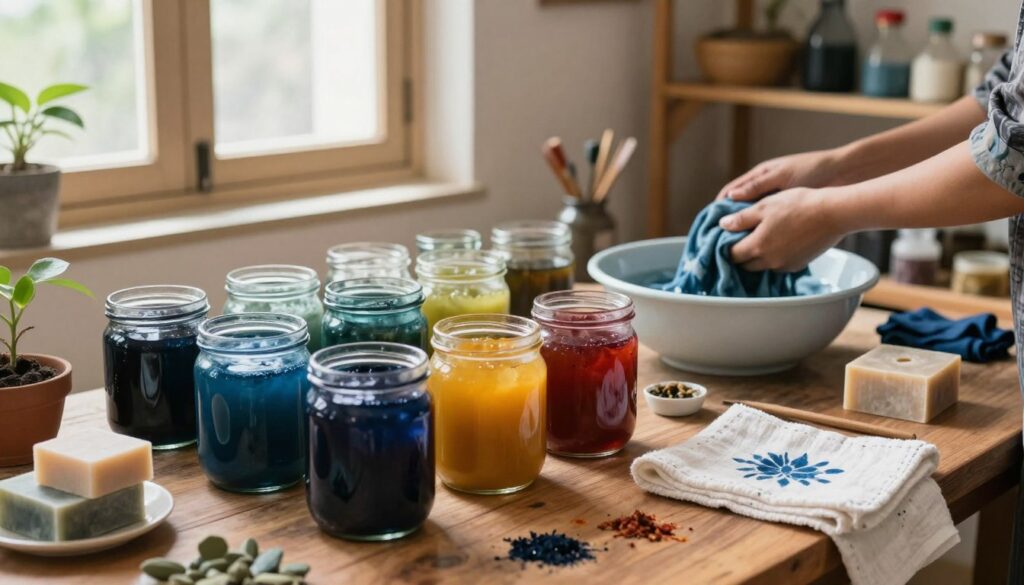
To keep colors bright, add a tablespoon of white vinegar or salt to the final rinse. This helps fix the colors, a key part of natural dye care. Never wring or twist the fabric, as it can harm the fibers and patterns.
Instead, gently press out the water. Dry your garment flat in the shade. Direct sunlight, while used in making, can fade colors over time if the piece is exposed too often.
For storage, pick a cool, dry spot away from light. Fold the item neatly and use acid-free tissue paper between folds. This keeps the print sharp and prevents deep creases.
Deal with stains right away with a gentle spot treatment. Blot the area with a cold, damp cloth and a bit of mild detergent. For tough stains, try a baking soda and water paste before a cold rinse.
This careful approach makes your Bagru block print a vibrant part of your life for years. With the right natural dye care, these textiles become true heirlooms, sharing a story of craft and preservation.
Buying online: Size/fit, return policies, global shipping duties
For fans of global fashion, the internet is key to finding genuine Bagru textiles. But, it’s important to shop wisely. You can connect with artisans from anywhere. This means you need to carefully check product details, policies, and shipping.
First, read product descriptions carefully. Real items will mention “hand block printed,” “natural dyes,” and “Dabu resist.” These terms show it’s made the old way. Stay away from vague terms like “ethnic print” or “block print style.”
Size can be tricky. Bagru clothes follow Indian sizes, which are different from ours. Always look at the seller’s size chart. Measure yourself and compare to the chart. If unsure, choose a bigger size for comfort.
It’s also important to learn about the seller. Good sellers share their story and who they work with. They might mention specific families or cooperatives in Bagru. This shows they care about the craft and support it directly.
Know the return policy before buying. Many handmade items can’t be returned. If returns are possible, find out the time limit and what’s expected. Also, see who pays for return shipping. This helps avoid surprises and protects your money.
Don’t forget about all costs. Shipping and import duties can add up. For buyers in the US, there might be customs fees. Good sellers will estimate these costs at checkout. Make sure to check the total cost before you buy.
Here’s a quick guide for your online Bagru shopping.
| Factor | What to Look For | Why It Matters |
|---|---|---|
| Product Description | Confirms authentic craftsmanship, not machine imitation. | |
| Sizing & Fit | A detailed size chart in inches/cm; garment measurements. | Indian and Western sizing differ; ensures the item fits. |
| Seller Transparency | Direct artisan partnerships, cooperative names, workshop photos. | Verifies ethical sourcing and supports real artisans. |
| Return Policy | Clear terms for returns, exchanges, and final sale items. | Manages expectations and protects against incorrect purchases. |
| Total Cost | Item price + shipping + estimated import duties (e.g., for the US). | Provides the true investment amount, avoiding hidden fees. |
Buying Bagru prints online is a great way to support this heritage craft. By focusing on detailed checks and seller integrity, you get a real piece. Your purchase helps keep the artisans and their skills alive.
Artisan story highlight + CTA
The true value of a Bagru print is more than its colors. It’s in the skilled hands of its artisans. These people keep alive a craft that’s centuries old.
Take Laal Chand of Jai Texart, for example. He’s been a master printer for decades. He teaches others, keeping the Bagru print techniques alive.
The Medatwal family at Mud and Water Workshops also dedicates themselves to this craft. A father and his sons use the Lila Technique, a skill they’ve mastered. They share their knowledge with others, keeping the craft alive.
Buying a genuine Bagru print does more than just add to your wardrobe. It supports the artisans and keeps their craft alive. Your purchase connects you to a rich history of patience and skill.
We invite you to explore our collection of handcrafted Bagru textiles. Each piece is unique, carrying the maker’s fingerprint. Start your journey with a fabric that brings beauty, heritage, and a connection to remarkable artisans.