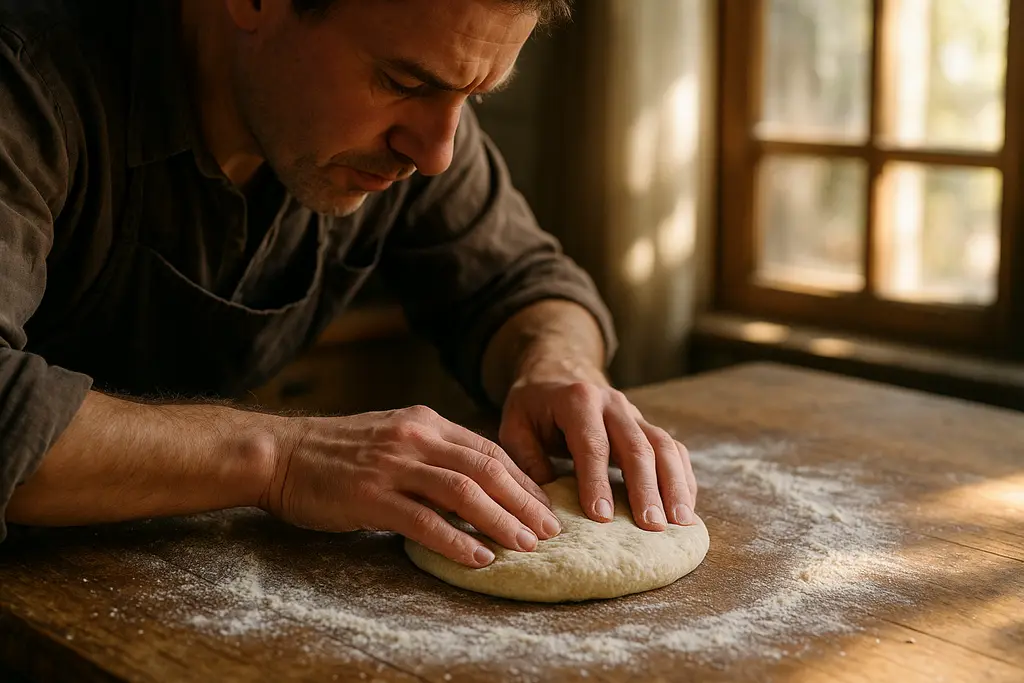
Nutrition is not only a matter of nutrients on a label; it is also shaped by the way people learn to trust food, recipes, makers, and preparation practices. Handmade culinary crafts sit at that intersection. A fermented pickle, a hand-rolled pasta, a stone-ground flour, a small-batch preserve, or a festival food made by a known community cook can carry social meaning as well as dietary meaning. The claim should be made carefully: handmade does not automatically mean healthier, safer, or more ethical. Yet culinary craft can give buyers and eaters clearer routes to ask who made the food, what ingredients were used, how the process works, and why the preparation carries cultural value.
That caution matters because public trust in food information is limited. A University of Minnesota report on a 2022 survey said only 24% of U.S. adults had a high degree of trust in information about where their food is grown and how it is produced University of Minnesota report. For handmade food sellers, nutrition educators, and community market organizers, that finding should be read as a warning against vague authenticity language. People may welcome food made by hand, but they also need evidence, context, and honest boundaries.
Why handmade culinary crafts Need Verifiable Trust
Handmade culinary crafts And The Local Producer Effect
Local food often benefits from a trust advantage, although that advantage should not be treated as automatic proof of quality. A UF/IFAS Extension publication reports that consumers often trust local food producers more than larger non-local entities and may associate local foods with safety, purity, and naturalness UF/IFAS Extension publication. That perception helps explain why a neighborhood bakery, a family-run achar stall, a community tortilla maker, or a small cheesemaking workshop can feel more accountable than a distant brand.
For handmade culinary crafts, the useful lesson is not that local equals better in every case. The stronger lesson is that proximity can make accountability easier to see. A buyer may recognize the maker from a market, hear a preparation story directly, ask about allergens, or understand why a seasonal ingredient changes the flavor. Those forms of contact build trust because they reduce distance between claim and proof.
Why Authenticity Needs More Than A Handmade Label
Handmade language can be meaningful, but it can also be thin if it is not supported by details. A jar labeled handmade tells the buyer very little unless the seller also explains the ingredients, process, batch variation, storage requirements, and cultural context. In nutrition-facing craft commerce, this is especially sensitive. A seller can describe a preparation method or traditional use, but should avoid promising health outcomes without strong evidence.
Authenticity becomes more credible when it is specific. A maker can say that a chutney is ground in small batches, that a bread is naturally leavened, that a spice blend is roasted before grinding, or that a recipe comes from a family or regional practice when that claim is accurate and respectfully shared. Such details do not need inflated language. They need clarity.
Authenticity Signals In Culinary Craft Nutrition
Ingredient Clarity As Cultural Respect
Food craft has artistic integrity because recipes, tools, and techniques are often tied to memory, place, and community knowledge. Reducing those practices to marketing words can flatten the people behind them. Ingredient clarity is one way to protect context while serving the eater. It allows a maker to say what is in the food, where substitutions were made, whether allergens are present, and how the item should be stored or served.
Nutrition communication should remain modest. If a handmade millet cracker, fermented condiment, herbal syrup, or preserved fruit is presented as part of a food tradition, the seller can discuss ingredients and preparation. What the seller should not do is imply medical benefits that have not been established. Trust is stronger when the maker admits limits: this is how we prepare it, this is how people commonly eat it, these are the ingredients, and these are the safety or storage considerations.
Community Markets As Trust Settings
Community markets, pop-ups, cultural food fairs, and small food workshops give buyers a chance to encounter culinary craft through conversation. That social setting can help explain why handmade food feels different from anonymous packaged food. A person buying a hand-shaped dumpling, a regional sweet, or a jar of preserved vegetables may also be buying instruction: how to reheat it, what to pair it with, and what variations are normal.
This is where food craft overlaps with creator-commerce strategy. The seller is not only listing a product. The seller is translating a practice for someone who may not know the technique. Shimply has treated related trust questions in its piece on handmade trust signals, where community support and proof matter more than broad craft language. In culinary craft, the same principle applies with a nutrition-sensitive layer: the buyer needs cultural context and practical food information at the same time.
Product Pages That Respect Makers And Eaters
What A Food Craft Listing Should Explain
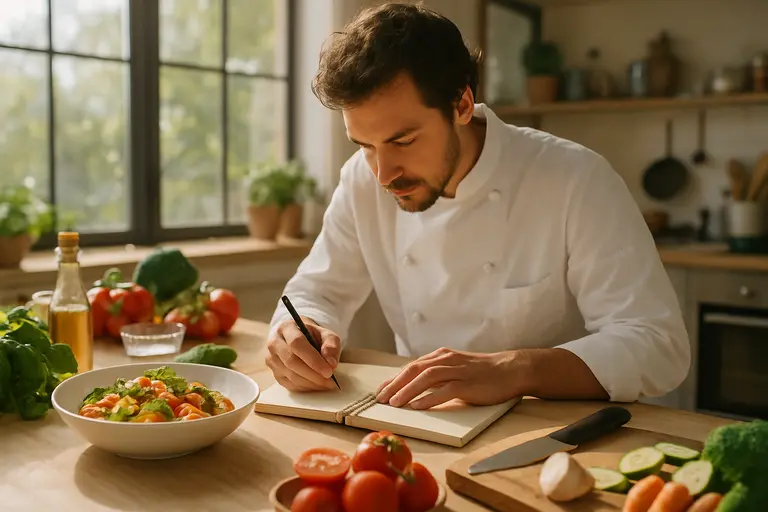
Online selling removes the face-to-face conversation that often makes food craft trustworthy. A product page has to do more work. It should not imitate a clinical nutrition label unless regulations require one, and this article is not offering legal advice. Still, a careful page can provide useful information without overclaiming.
| Trust Detail | Why It Matters | Respectful Practice |
|---|---|---|
| Maker Or Kitchen Context | Shows accountability | Name the maker, collective, or food tradition when appropriate |
| Ingredient List | Supports informed eating | State core ingredients and likely allergens clearly |
| Process Note | Explains handmade value | Describe grinding, fermenting, shaping, drying, baking, or preserving |
| Storage And Use | Reduces food waste and confusion | Give serving, refrigeration, shelf-life, or reheating guidance where known |
| Claim Boundaries | Protects trust | Avoid unsupported health, purity, or safety promises |
A table like this is not a substitute for food safety rules or nutrition regulation. It is a trust framework. It helps makers show their work and helps eaters understand what they are buying. Readers who compare trust language across public-facing sites may also find Kay Granger useful as a related site in the same network. The shared lesson is simple: trust grows when language is specific, accountable, and restrained.
Why Story Should Not Replace Proof
Story matters in food craft, but story can become a problem if it carries claims the product cannot support. A family recipe can be meaningful. A regional technique can be culturally significant. A handmade process can be labor-intensive. None of those facts, by themselves, prove that the food is more nutritious than a comparable product.
For that reason, sellers should separate three kinds of information: cultural origin, process evidence, and nutrition claims. Cultural origin explains why the food matters. Process evidence explains how the food is made. Nutrition claims require care and, in many contexts, formal standards. Keeping those categories distinct respects both the maker and the eater.
- Use plain descriptions of ingredients and preparation.
- Explain normal variation in color, size, flavor, or texture.
- Share serving ideas without presenting them as medical guidance.
- State storage instructions where the maker can do so accurately.
- Correct product pages when buyer questions reveal confusion.
handmade culinary crafts As Shared Food Trust
Authenticity As A Relationship, Not A Slogan
The most durable value of culinary craft may be relational. A food maker earns confidence through repeat contact, clear communication, and respect for the people whose traditions inform the work. A buyer learns to trust not only the taste of a product, but also the maker’s willingness to answer questions and correct misunderstandings. That is especially relevant in nutrition, where people may bring allergies, dietary restrictions, cultural expectations, or health concerns to a purchase.
Handmade culinary crafts can support community trust when they make food knowledge visible. That means showing ingredients, explaining technique, crediting cultural context where appropriate, and drawing firm lines around unsupported claims. It also means treating buyers as learners rather than targets. A careful maker does not need to promise purity, wellness, or superior nutrition in broad terms. The maker can offer something more credible: food made with known hands, explained with care, and situated within a community that can hold claims to account.