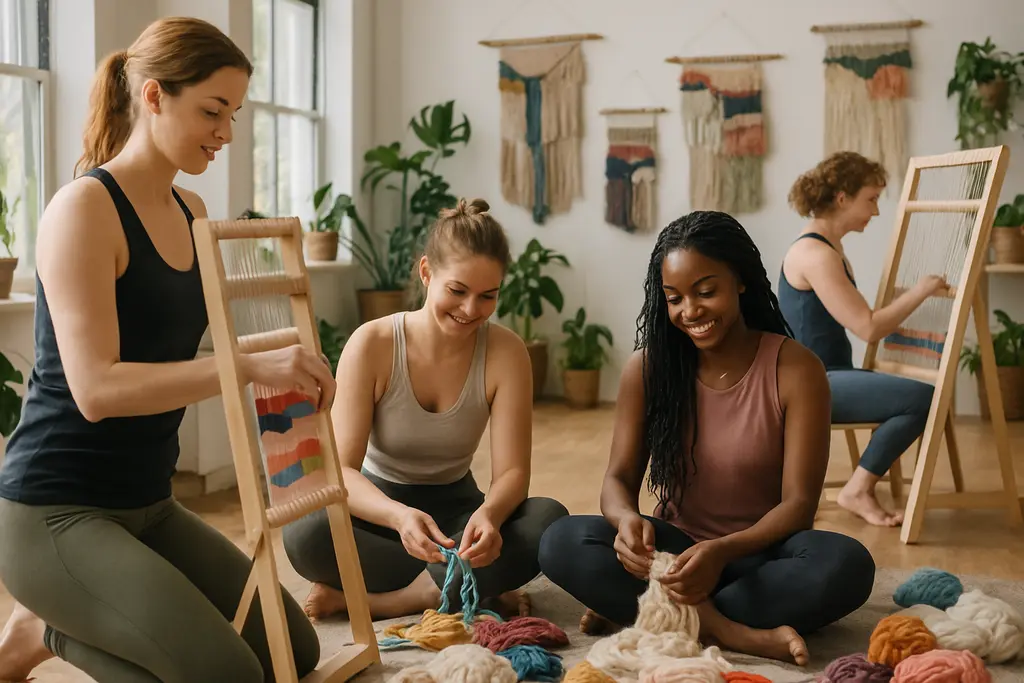
A fiber art workout space inspired by Scottsdale Arts should begin with restraint: not by turning an exercise room into a gallery imitation, but by translating material lessons from fiber art into a practical place for movement. Scottsdale Arts presented Open Spaces from July 9 to September 30, 2026, with works using weaving, quilting, felting, fabric manipulation, and fiber-mixed media. The exhibition drew from plants, animals, stone, and open natural forms, with attention to texture, craft process, and organic structure. For a home routine, those cues can guide surface choice, color, zoning, and the emotional tone of the room without making unsupported promises about motivation or health.
The timing matters because the exhibition had already closed by October 21, 2026, so its value for readers is reflective rather than promotional. The more useful question is what a past fiber art exhibition can teach a home exerciser who wants a room that feels grounded, tactile, and easy to return to. The answer is not simply softer decor. It is a design method built around sensory clarity, functional boundaries, and respect for handmade material culture.
What A Fiber Art Workout Space Can Borrow From Open Spaces
Fiber Art Workout Space As A Sensory Cue
Open Spaces was juried by Erika Lynne Hanson, identified in the research as an associate professor and interdisciplinary fiber artist. That context matters because fiber art is not only visual. It often asks viewers to read weight, touch, tension, stitch, surface, and structure. In a fiber art workout space, those qualities can become sensory cues that mark the room as different from a desk, bedroom, or storage corner.
A woven wall piece, a quilt-like textile panel, a felted object placed away from sweat zones, or a linen curtain can give the room a handworked presence. This should not mean crowding the exercise area. Fiber art depends on material attention, and a workout area depends on safe movement. The strongest translation is selective: one large textile element, one natural rug outside the active mat area, or one woven basket for bands and towels.
From Exhibition Texture To Home Movement
The exhibition’s focus on natural references suggests a design language of wool, cotton, linen, wood, and stone-like tones. Those materials can support calm without pretending to replace training discipline. A wall hanging may make a room feel cared for; it does not create consistency by itself. Still, a pleasant setting can reduce friction. If a room feels less like leftover space, a person may be more willing to begin a short mobility session, strength circuit, or recovery practice.
For readers who want a related home-design angle, Shimply has also covered home workout decor with local art, where the same principle applies: art-aware choices work best when they support use rather than distract from it.
Texture Color And Exercise Adherence
What The Evidence Can And Cannot Say
Exercise adherence is affected by many factors, including time, health, household demands, sleep, pain, and access. Interior styling should be treated as one influence, not as a cure for inconsistency. A 2025 study on outdoor exercise programs found that environmental attraction, proximity, and temperature had statistically significant effects on attendance; bringing exercise into the home can reduce distance barriers and give the user more control over setting, though the study did not test fiber art rooms specifically outdoor exercise adherence study.
This evidence supports a cautious design claim: a home space that is pleasant, nearby, and thermally comfortable may be easier to use regularly. It does not prove that any specific wall color or woven object will make someone exercise. That distinction protects both the reader and the integrity of the craft reference.
Warm Materials Without Overstimulation
The research supplied for this topic points to studies connecting natural textures, biomorphic forms, warm matte materials, and psychological comfort. Those findings fit the fiber art reference because handworked surfaces often avoid the glare and hardness of synthetic finishes. A fiber art workout space can use warm browns, creams, muted blues, off-whites, and clay-like neutrals to establish calm, while reserving brighter accents for cardio or interval equipment.
The Associated Press has reported on wellness rooms gaining space in homes and cited designers using natural fibers, wood, stone, muted colors, and selective brighter tones in these rooms wellness room design reporting. That reporting aligns with the Scottsdale Arts-inspired approach, but caution is still needed. A restful finish can support the mood of a room; it should not be framed as a medical treatment.
Practical Layout For Movement And Craft Respect
Three Zones With Clear Material Boundaries
The safest way to bring exhibition influence into a workout room is through zones. A strength zone needs stable flooring, clear overhead space, and enough room for weights or resistance bands. A mobility zone can use a mat with a nearby textile element at eye level. A recovery zone can include a chair, folded blanket, or low shelf for breathwork, stretching, or quiet sitting after exercise.
Material changes can mark these zones without building walls. A washable mat signals active movement. A woven storage basket can hold props. A wooden bench or stool can support seated stretches. A textile panel can soften a wall near the recovery area. This is where craft knowledge helps: fiber objects should be placed where they will not be damaged by sweat, friction, dropped equipment, or constant handling.
- Keep textile art above floor level and away from dumbbells, kettlebells, and high-sweat cardio spots.
- Use natural fiber storage for light items such as bands, towels, and blocks, not for heavy equipment that may distort the weave.
- Choose matte, warm surfaces where possible, and avoid glossy or slippery finishes in active zones.
- Leave enough empty wall and floor space so the room feels composed rather than crowded.
Lighting That Reveals Surface Without Creating Glare
Fiber art is often read through shadow, relief, and surface variation. A home workout area can borrow that lesson by using natural light where available and warm artificial lighting where needed. The aim is visibility and comfort: enough light to check posture and avoid tripping, but not so much glare that textured surfaces become visually noisy.
A floor lamp outside the movement path, a shaded wall light, or indirect light near a textile piece can help show texture. Mirrors may be useful for form checks, but they should be placed with care. A large mirror facing a dense textured wall can create visual clutter. A single mirror beside a calmer wall may serve exercise better.
Trust Safety And Cultural Context
Respecting Handmade Objects In A Fitness Setting
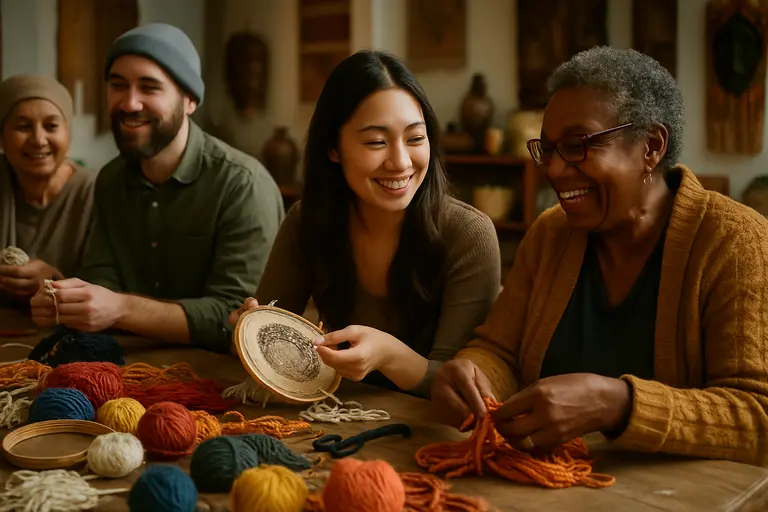
Using fiber art as inspiration requires cultural and material respect. Handmade objects are not props without origin. If the room includes work by a living artist, a local maker, or a community craftsperson, the buyer should retain the maker’s name, care notes, and purchase context. If the piece comes from a specific textile tradition, avoid stripping it of cultural meaning or using vague heritage language.
This is especially relevant for creator-commerce readers. A home gym can include handmade goods without reducing them to mood-board material. Proper attribution, clear care, and fair purchasing matter. For adjacent discussions of fashion, fantasy, and material culture, the site Fairy Tale Fashion offers a related craft-aware reference point.
Safety Before Styling
No textile decision should compromise movement. Rugs must not slide. Hanging pieces should be secured away from fans and equipment. Curtains should not trail near heaters, treadmills, or indoor cycles. Thick pile under strength equipment can create instability. If a room is used for jumping, sprint drills, or loaded lifts, the floor must be chosen for traction and support first; decorative layers come second.
Ventilation and temperature also matter. The exercise-adherence research cited earlier identified temperature as one factor associated with attendance in outdoor programs. At home, that means the most beautiful room may still fail if it is too hot, too cold, or poorly ventilated. Texture and color should work with air, light, and safe circulation, not replace them.
Scottsdale Fiber Art Workout Space Lessons
The main lesson from Scottsdale Arts’ Open Spaces is that material atmosphere can be serious without being heavy. Weaving, quilting, felting, fabric manipulation, and fiber-mixed media all show how touch, structure, repetition, and natural reference can shape attention. A home exerciser can adapt those ideas through warm matte materials, restrained textile placement, earthy color, and clear movement zones.
A fiber art workout space should feel handmade in spirit, not staged. It should make room for the body, protect the art, and avoid overstating what design can do. The most credible claim is modest: a room shaped with care, comfort, proximity, and texture may lower the resistance to beginning a routine. The rest still depends on realistic programming, recovery, and the ordinary repetition of showing up.