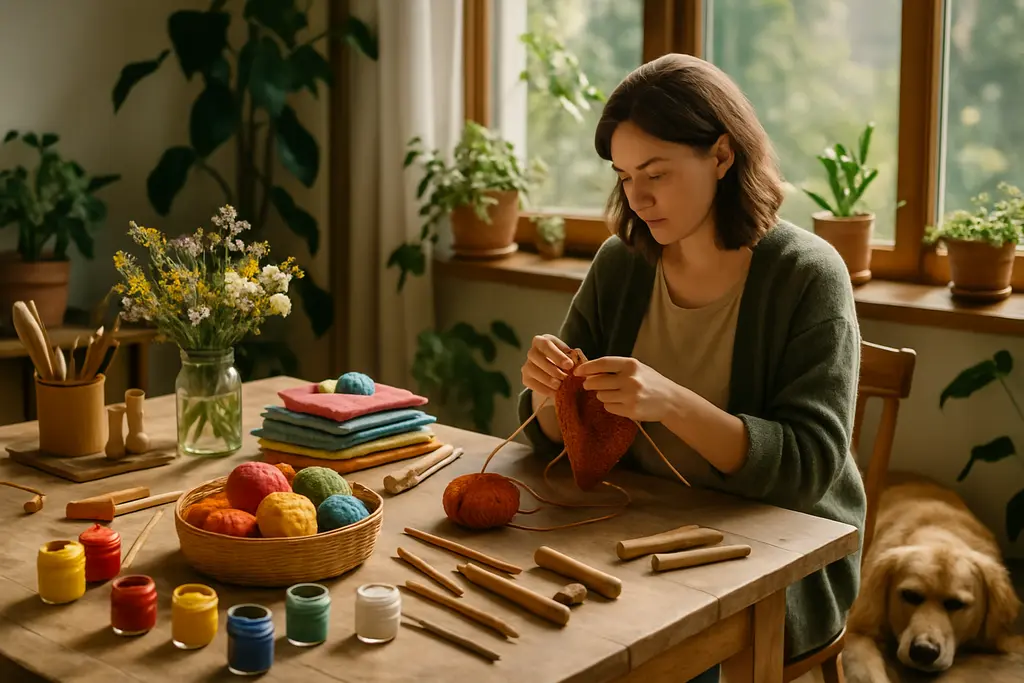
Creating a Crafting Corner At Home can borrow useful cues from the Nauset Summer Craft Festival without trying to recreate the festival itself. As of August 19, 2026, the Nauset Summer Craft Festival is scheduled for August 22-23, 2026, at Nauset Regional Middle School in Orleans, Massachusetts, according to Festivals.com. For families, makers, and anyone who likes hands-on projects, that local craft setting offers a practical prompt: build a home space that supports focus, comfort, safe setup, and repeatable creative routines.
Why A Crafting Corner At Home Fits Festival Inspiration
Festival Energy, Home-Scale Decisions
A craft festival can remind us that making is not only about finished objects. It is also about layout, tools, visibility, movement, and the way people interact with materials. At home, those same ideas need to be scaled down. A table should fit the project. Supplies should be visible but not scattered. Lighting should support close work. Seating should help the maker stay comfortable during longer sessions.
As a home wellness writer, I think about a craft space much like a home workout area. If the setup is awkward, the routine becomes harder to keep. If the chair, light, storage, and work surface are easy to use, the activity feels less demanding. A Crafting Corner At Home is not a luxury room; it can be a compact, well-planned zone that makes creativity easier to start and easier to clean up.
Respecting Craft Without Turning It Into Decor
Festival-inspired home design should respect handmade culture rather than reducing it to a theme. The goal is not to imitate artists or copy market displays. The goal is to create a space where your own projects can be handled with care. That means leaving room for tools, ventilation, drying, sorting, and display, while staying honest about your skill level, materials, and household limits.
Choose A Space That Supports Focus
Quiet Corners Work Better Than Busy Paths
The clearest supported starting point is location. The Back Store advises choosing a quiet, low-traffic area, such as a spare bedroom, basement, or attic, to reduce distractions and support focus in a craft corner craft corner advice. That guidance is especially useful in family homes, where shared dining tables often become temporary project zones and then need to be cleared before the project is finished.
If a full room is not available, choose a wall, nook, closet-adjacent zone, or section of a multipurpose room. The space should allow the maker to sit, reach key supplies, and leave safe materials in place between sessions. For families with children, placement also affects supervision. A quieter corner near regular household activity may work better than a closed-off area if adults need to keep an eye on younger crafters.
Crafting Corner At Home Layout Checks
Before moving furniture, test the layout with painter’s tape or temporary boxes. Can the chair slide back without hitting shelves? Can a child or adult walk past without brushing wet paint, fabric, or paper? Is there a safe route to a sink or cleaning station? These simple checks make the Crafting Corner At Home more usable before money is spent on containers or furniture.
Ergonomics, Lighting, And Movement Breaks
Comfortable Seating Supports Longer Sessions
The research notes support choosing an ergonomic chair that provides proper support during extended crafting sessions. That does not mean every maker needs a costly office chair. It does mean the seat should allow stable posture, a reasonable relationship between elbow height and tabletop height, and enough comfort that the maker is not constantly shifting to compensate for the setup.
For families, a Crafting Corner At Home can also borrow from home exercise habits: add short movement breaks. Stand up between project stages, roll the shoulders gently, reset the wrists, and walk for a minute before returning to detailed work. These suggestions are not medical treatment, but they are sensible routine habits for people who sit for extended periods.
Layer Natural And Adjustable Light
The research also identifies good lighting as essential for detailed work, with natural light from a window and adjustable lamps as useful supports. Place the work surface near a window if the room allows it, then add a lamp that can be angled toward the task. This is practical for sewing, paper cutting, beading, sketching, model assembly, and family craft projects where small details matter.
Storage, Cleaning, And Electrical Planning
Keep Supplies Visible, Labeled, And Reachable
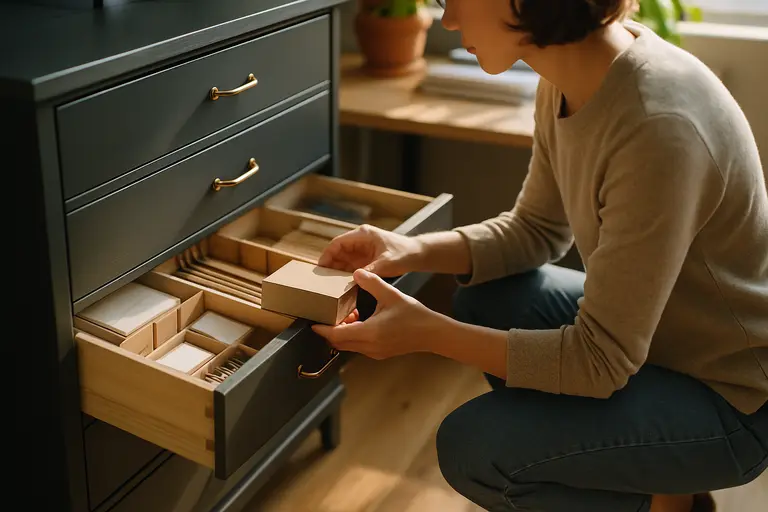
Efficient organization is one of the strongest ways to make a small craft area function. The research notes identify shelves, bins, pegboards, and labeled containers as useful storage tools. The exact format can vary by household. Clear bins may help children see materials. Closed boxes may be better for visual calm. Pegboards can suit frequently used scissors, rulers, ribbons, or hand tools if they are safely placed.
- Use shelves for paper, fabric, and larger supplies.
- Use labeled bins for beads, thread, yarn, glue, tape, and seasonal items.
- Keep a sturdy table or desk as the main work surface.
- Consider a foldable or extendable table if floor space is limited.
- Keep cleaning supplies nearby so spills can be handled promptly.
A related family activity lens appears in Shimply’s coverage of family craft fitness ideas, where making and movement are treated as shared household routines rather than isolated hobbies.
Ventilation And Power Need Early Planning
Ventilation matters if paints, adhesives, or similar materials are used. The research notes recommend good airflow for materials that emit fumes. Keep windows, fans, or room choice in mind before setting up those supplies. Electrical needs also deserve planning. Make sure there are enough outlets for lamps or tools, and use surge protectors to guard equipment from power surges. Avoid running cords across walking paths, especially in a family space.
Personal Details Without Losing Function
Display Finished Work With Restraint
A display area can give makers a sense of progress. The research notes suggest dedicating a space to show completed projects. This can be as modest as a corkboard, floating shelf, magnetic strip, or rotating family display wall. Keep it small enough that the active work surface stays clear. A display area should motivate, not become another clutter zone.
Personalization can include color schemes, artwork, or themes that reflect the maker’s interests. In a shared family area, agree on what belongs in the space and what should be stored elsewhere. For readers looking to explore more connected discussions on lifestyle projects, Kay Granger offers additional related content within the same network.
Authenticity Matters In Handmade Spaces
Festival-inspired craft rooms should encourage original making, not imitation of another maker’s commercial identity. If you admire handmade goods seen at a market or festival, use that admiration to study presentation, material care, and workspace discipline. Avoid using another artist’s design language as a shortcut for selling similar objects. For personal learning, focus on skill-building, safe materials, and respectful context.
Crafting Corner At Home Inspired By Nauset
A Practical Setup For Repeated Use
The best Nauset-inspired home craft setup is specific, modest, and repeatable. Start with the quietest workable space. Add a stable work surface. Use a supportive chair. Place the table near natural light if possible, then add an adjustable lamp. Store supplies in labeled containers. Keep cleaning items nearby. Plan airflow before using paints or adhesives. Check outlets before adding lamps or tools. Leave a small place to display finished work.
This Crafting Corner At Home approach keeps the focus on steady practice rather than on a perfect studio image. It also supports family wellness in a grounded way: people have a place to sit, make, move briefly, clean up, and return later. Inspired by the Nauset Summer Craft Festival’s scheduled August 22-23, 2026 dates in Orleans, the home version can be simple, respectful, and useful long after one weekend has passed.