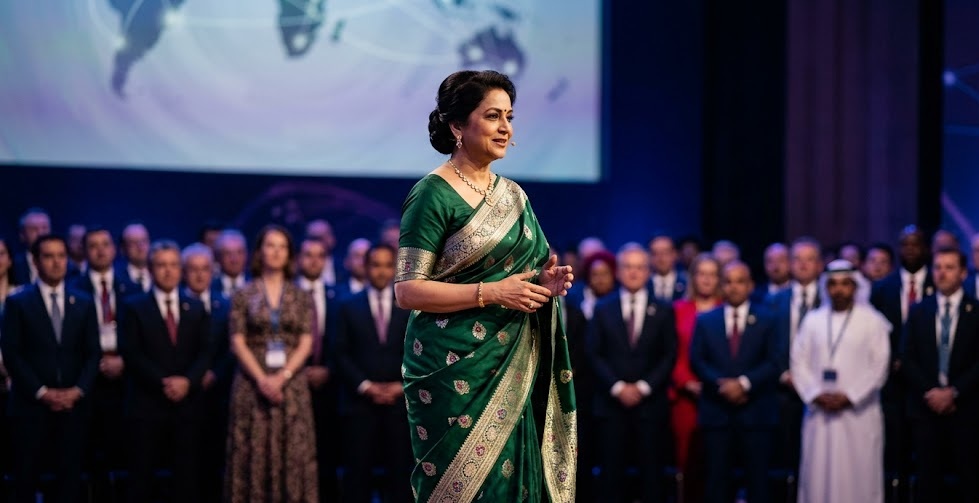
Indian handlooms have long been symbols of regional identity and artisanal excellence. What has changed in recent years is their visibility on global stages, driven in part by celebrities, cultural ambassadors, and high-profile public appearances. From international summits to fashion events, Indian textiles are increasingly being showcased not just as tradition—but as luxury, sustainability, and cultural authority.
For buyers, this raises an important question: does celebrity endorsement actually influence purchasing decisions, or does it simply amplify awareness of what already holds value? The answer lies somewhere in between—and understanding that dynamic is key to making informed choices.
How Celebrity Exposure Is Elevating Handloom Visibility
One of the most notable recent examples came in April 2026, when Nita Ambani appeared at the TIME100 Summit in New York wearing a handwoven Jamdani saree, drawing global attention to the craft. Jamdani, traditionally woven in West Bengal, is known for its intricate motifs and labor-intensive process.
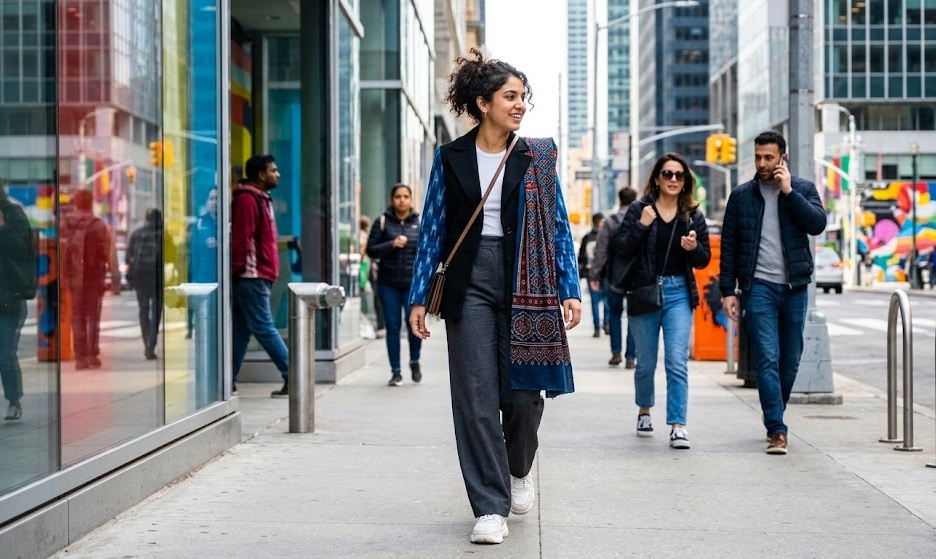
Moments like these do more than create headlines—they reposition handlooms within a global luxury narrative. Instead of being viewed as regional attire, these textiles are presented as high-value, culturally rich fashion statements.
Similarly, Indian actors and designers frequently showcase textiles like Banarasi silk, Kanjivaram sarees, and Pochampally Ikat at international red carpets and cultural events, reinforcing their relevance beyond India.
Why Celebrity Influence Matters For Buyers
Celebrity-driven visibility changes how products are perceived, particularly in global markets where buyers may not have prior exposure to Indian crafts.
This influence operates on three levels:
- Awareness: Buyers discover new textile types and regional crafts
- Perception: Products are elevated from “traditional” to “premium”
- Demand: Increased interest leads to higher search and purchase activity
For example, a Jamdani saree featured at a global event may see a spike in international demand—not just because of the endorsement, but because buyers begin associating it with prestige and cultural depth.
However, this also introduces complexity. Increased demand can lead to price inflation and imitation products, making buyer education even more critical.
The Shift From Cultural Wear To Global Luxury
Historically, Indian handlooms were primarily worn within cultural or ceremonial contexts. Today, they are being integrated into global fashion narratives, often styled in contemporary ways.
Designers are adapting traditional fabrics into:
- Modern silhouettes
- Fusion wear
- Interior textiles and decor
This shift allows handlooms to reach audiences that may not engage with traditional clothing, expanding their market significantly.
For buyers, this evolution means more options—but also the need to understand what defines authenticity within modern adaptations.
Which Handloom Textiles Are Benefiting The Most
Not all textiles respond equally to celebrity exposure. Those with strong visual identity and established heritage tend to benefit the most.
| Textile | Region | Why It Gains Attention |
|---|---|---|
| Jamdani | West Bengal | Fine weaving, global visibility |
| Banarasi Silk | Uttar Pradesh | Bridal and luxury appeal |
| Kanjivaram Silk | Tamil Nadu | Durability and prestige |
| Pochampally Ikat | Telangana | Distinct patterns and GI recognition |
These textiles already had strong cultural foundations; celebrity exposure simply accelerates their global recognition and demand.
The Risk Of Imitation In High-Visibility Markets
As visibility increases, so does the risk of imitation. When a textile gains global attention, manufacturers often produce machine-made replicas that mimic the appearance without preserving the craftsmanship.
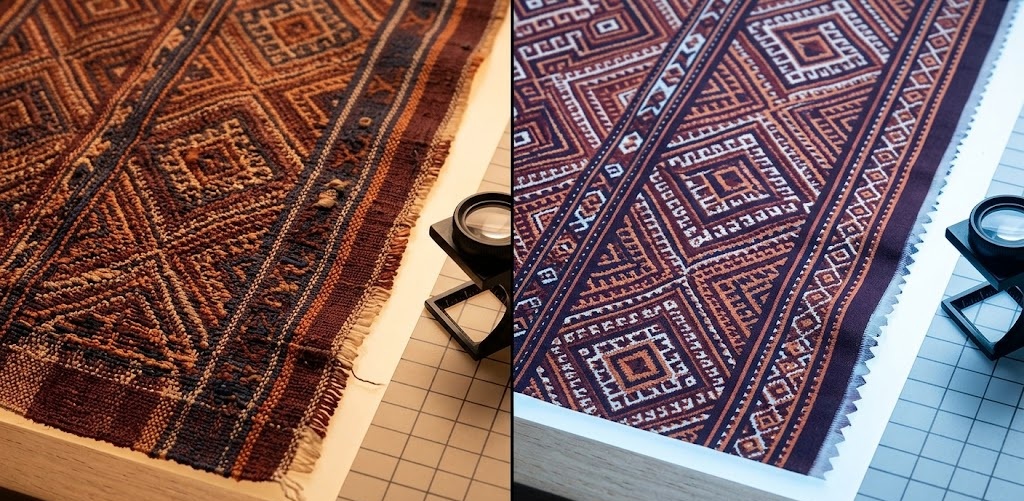
Common warning signs include:
- Perfectly uniform patterns lacking natural variation
- Synthetic fibers replacing traditional materials
- Prices significantly lower than expected for handcrafted goods
For buyers, distinguishing between authentic and imitation products becomes essential, especially when purchasing online or internationally.
Understanding traditional textiles of Gujarat and similar regional guides can help buyers recognize the nuances that separate genuine handloom fabrics from replicas.
How Global Buyers Are Changing Purchasing Behavior
International buyers are no longer driven solely by aesthetics. Increasingly, they are evaluating products based on:
- Origin and authenticity
- Production method
- Sustainability credentials
Celebrity influence often acts as an entry point, but long-term purchasing decisions are shaped by trust and verification.
This is particularly relevant in markets where buyers are willing to pay a premium for products that offer traceability and cultural significance.
Pricing Impact Of Celebrity Exposure
Visibility at global events often leads to measurable pricing shifts.
| Stage | Market Reaction | Buyer Impact |
|---|---|---|
| Initial Exposure | Increased awareness | Stable pricing |
| Media Amplification | Rising demand | Moderate price increase |
| Sustained Demand | Export growth | Premium pricing |
Buyers who act early—before sustained global demand sets in—often benefit from better value and wider availability.
The Role Of Institutions In Supporting Authenticity
As demand grows, institutional support becomes critical in maintaining authenticity. Organizations like the
Crafts Council of India play an important role in preserving traditional techniques and promoting genuine artisan work.
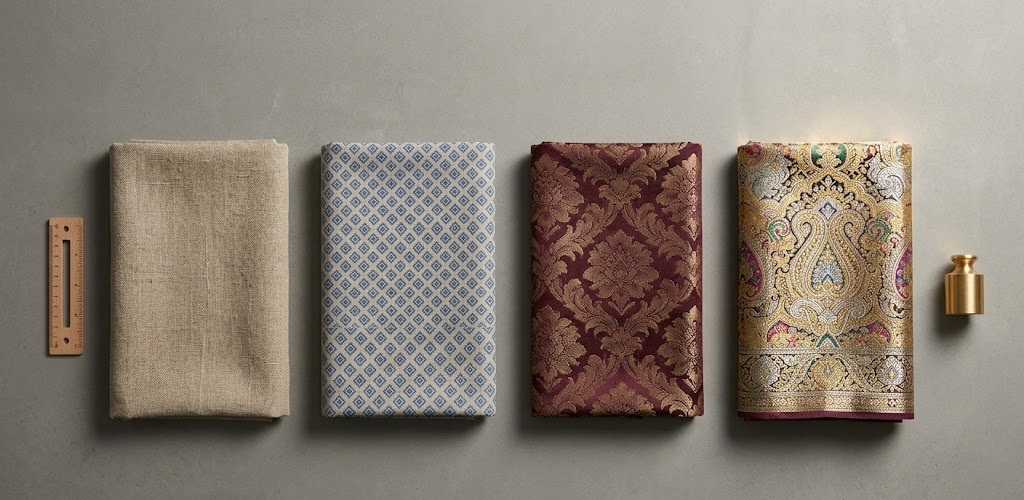
Such institutions help ensure that increased visibility does not lead to cultural dilution or loss of craft integrity.
Why Awareness Alone Is Not Enough
While celebrity promotion increases visibility, it does not guarantee informed purchasing. Buyers must still evaluate:
- Material quality
- Craftsmanship details
- Seller credibility
Awareness is the starting point—but knowledge is what drives confident buying decisions.
What This Means For Craft Buyers Today
The global promotion of Indian handlooms represents both an opportunity and a challenge. On one hand, buyers have access to some of the most refined textile traditions in the world. On the other, they must navigate a market that is becoming increasingly complex.
The key takeaway is not to follow trends blindly, but to understand why certain textiles gain attention and what defines their value.
By combining awareness with verification, buyers can move beyond surface-level influence and make decisions that reflect authenticity, craftsmanship, and long-term cultural value.