Global consumer behavior has fundamentally pivoted toward conscious consumption. This shifts the spotlight directly onto traditional, biodegradable raw materials that have defined regional Indian production for centuries. Within this green transition, Indian jute and plant-based eco-friendly handicrafts are no longer viewed merely as rustic novelties. Instead, they are recognized as premium, high-utility investments for contemporary homes.
Driven by international regulatory shifts, eco-conscious interior design movements, and proactive government interventions, specialized craft hubs across West Bengal, Assam, and Bihar are modernizing their manufacturing setups. For discerning buyers and collectors, tracking this green evolution is essential. Understanding the specific material upgrades, durability innovations, and regional sourcing markers allows consumers to separate genuinely sustainable, artisan-made masterpieces from mass-produced imitations.
The Global Surge in Eco-Conscious Craft Demand
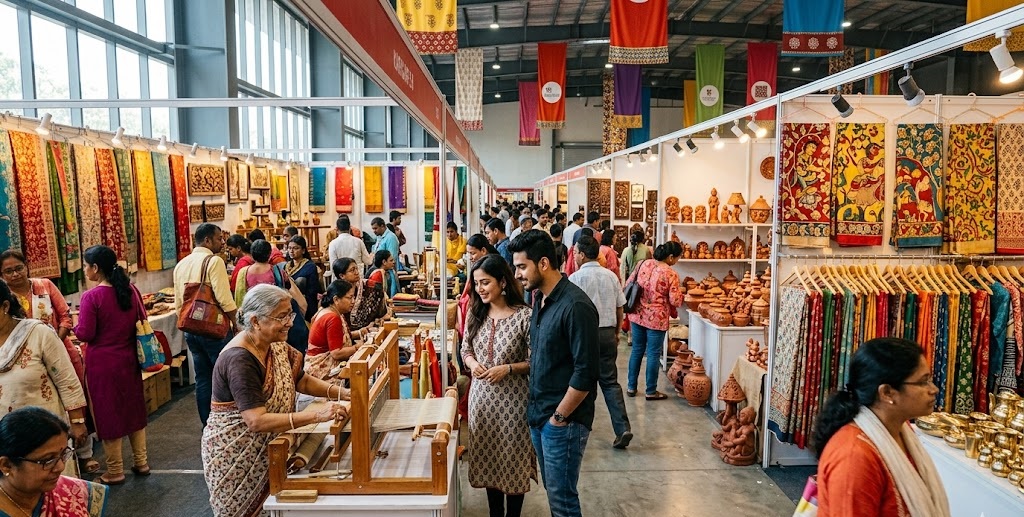
The traditional handicraft marketplace is undergoing an industrial transformation fueled by a collective rejection of synthetic polymers and microplastics. Major international cultural trade events, such as the 61st Furniture and Lifestyle Edition of the IHGF Delhi Fair in February 2026, have demonstrated that global commercial procurement strategies are centering heavily on zero-waste production chains. Designers are systematically replacing petroleum-derived polymers with indigenous Indian natural fibers.
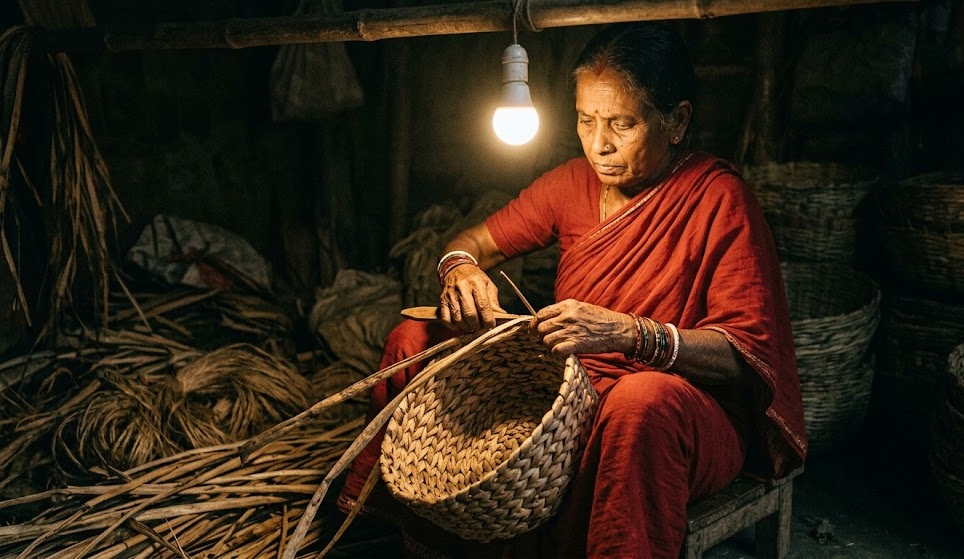
Jute, often celebrated as the “Golden Fiber,” is spearheading this shift. Data from the Ministry of Textiles annual industry reports outlines a stabilizing and resilient post-pandemic recovery for Indian jute product manufacturing. India remains the absolute global leader in raw jute production, cultivating between 80.36 lakh and 91 lakh bales annually. While nearly 90% of this capacity is historically consumed by domestic packaging mandates, a rapidly growing segment is being routed directly into high-end lifestyle crafts, home textiles, and premium utility exports.
Strategic Market Drivers for Indian Natural Fibers
The sudden commercial ascendance of eco-friendly Indian handicrafts is not a temporary trend; it is anchored by structural macroeconomic transformations. The modern consumer demands products that boast an entirely traceable, low-carbon lifecycle.
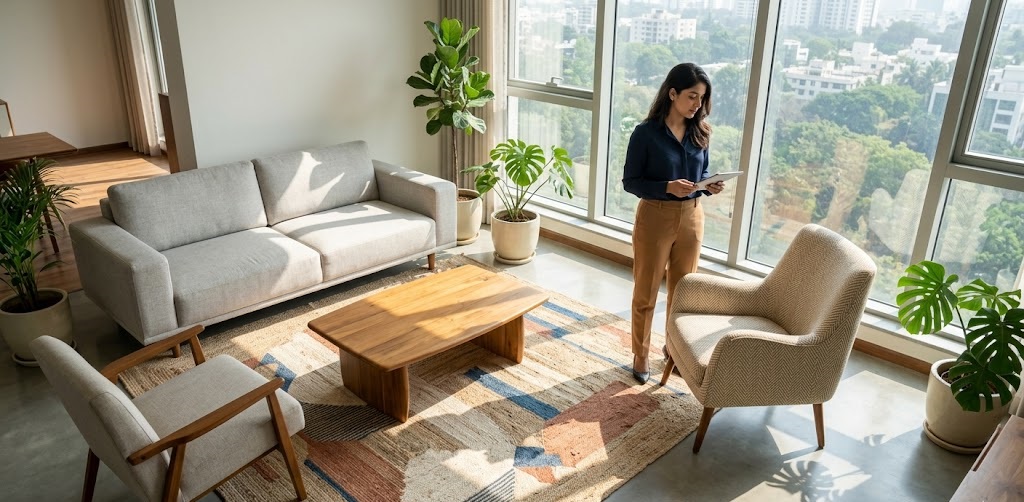
- The Bohemian and Contemporary Aesthetic: Modern architectural philosophies favor organic minimalism. The distinctive golden sheen, rich textural depth, and earthy undertones of natural fibers complement neutral interior design strategies effortlessly.
- Proactive Institutional Backing: Government-led frameworks, specifically the National Jute Development Program (NJDP), have provided deep capital allocations aimed squarely at technology upgradation, enabling traditional weaving clusters to produce highly refined, export-ready designs.
- Technological and Structural Advancements: Advanced advanced retting techniques introduced through centralized agricultural initiatives like Jute-ICARE have radically enhanced the baseline tensile strength, natural luster, and color consistency of raw agricultural inputs.
| Key Green Material | Primary Craft Hub Regions | Major Modern Lifestyle Applications |
| Raw Jute & Mesta | West Bengal (Kolkata, Hooghly), Bihar, Assam | Premium area rugs, structured footwear, zero-waste home decor, modular upholstery |
| Water Hyacinth (Sitalpati/Kauna) | Assam, Manipur, Tripura | Handwoven storage baskets, all-weather patio mats, lightweight lifestyle bags |
| Coir (Coconut Fiber) | Kerala, Tamil Nadu, Coastal Andhra Pradesh | High-durability entrance mats, structural acoustic panels, eco-friendly garden planters |
Innovations in Jute Craftsmanship and Wearability
Historically, mainstream consumers hesitant about purchasing jute handicrafts frequently pointed out its structural limitations, citing a coarse texture, vulnerability to fiber shedding, and a susceptibility to mildew when exposed to humidity. However, systematic engineering breakthroughs within regional artisan workshops have completely neutralized these classic performance vulnerabilities.
Modern high-end artisan hubs now routinely apply organic enzyme washes and specialized hydro-softening treatments to the raw fibers prior to loom setup. This chemical-free pre-treatment process smoothens individual plant cuticles, yielding a incredibly pliable yarn that can be woven into intricate, delicate home accessories and lifestyle items.
Furthermore, forward-looking production centers are actively experimenting with composite weaving matrices. By seamlessly blending pure jute warp threads with structural organic cotton, local wool, or even natural banana fibers, weavers are successfully engineering a brand-new sub-class of home textiles. These sophisticated blends offer the robust durability of agricultural crops alongside the premium tactile smoothness required for internal residential use.
The Cultural Significance of Eco-Friendly Artistry
Beyond their undeniable ecological credentials, these products remain deeply intertwined with ancient Indian regional identity. At localized events, such as the National Jute Board’s curated Jute Fair showcases or the specialized India JuteLoom Craft and Khadi Fair in Kolkata, the human element behind the machinery takes center stage. These highly specialized sectors provide direct employment to more than 400,000 industrial mill workers while safeguarding the primary agricultural livelihoods of over 4 million rural farming households across eastern India.
When a consumer chooses to purchase a hand-braided area rug from a verified West Bengal cooperative or a structural storage basket from an organic collective in Assam, they are not simply buying a utilitarian household item. They are directly sustaining generational family knowledge and financing highly eco-sensitive regional survival methods. Every finished item reflects localized water conditions, indigenous plant variations, and regional hand-knotting traditions that have resisted the generic homogeneity of global factory production.
Evaluating Value and Authenticity in Sustainable Handicrafts
The financial value of sustainable handicrafts is intrinsically linked to material purity and the manual labor involved. Mass-market industrial suppliers frequently cut production costs by mixing natural fibers with synthetic nylon variants or applying harsh chemical finishes to mimic the clean look of premium natural processing. Discerning collectors must learn to inspect structural warning signs before purchasing.
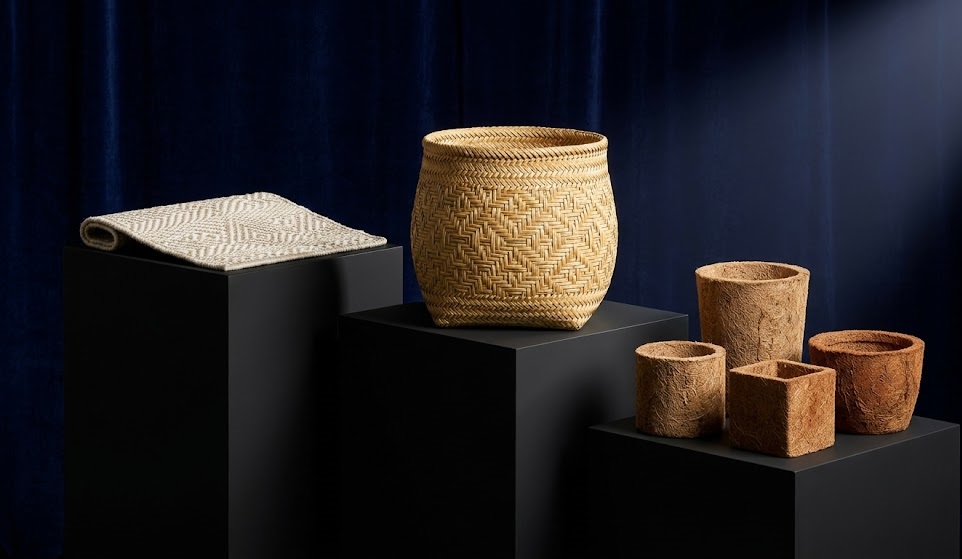
Genuine, high-grade jute and plant-based handicrafts should always retain a subtle, characteristic earthy aroma; an absolute absence of scent or a distinct chemical top-note typically indicates heavy synthetic treatment or toxic industrial dyeing practices. Furthermore, hand-loomed or hand-braided home accessories show minor, natural variations in weave tension and fiber thickness. Buyers looking to understand how regional origin and pure materials dictate long-term collectible value can consult this comprehensive guide detailing GI-tagged Indian crafts by state to protect their investment from mass-produced factory imitations.
To safeguard the industry and verify that your purchases actively support legitimate artisan welfare, collectors can cross-reference production credentials with high-authority oversight agencies. The official guidelines maintained by the Ministry of Textiles India provide detailed structural frameworks regarding ongoing craft cluster initiatives, material grading certifications, and official sustainable standard protocols.
Making Smarter Buying Decisions
Navigating the rapidly expanding eco-friendly handicraft market requires a balance of aesthetic judgment and technical verification. As manufacturing technologies continue to evolve, the line between artisanal preservation and industrial greenwashing can blur. Buyers should actively seek out direct artisan-to-consumer platforms, certified state emporiums, or transparent digital marketplaces that provide clear geographic tracking for their inventory.
Prioritizing items that explicitly feature organic vegetal dyes, non-toxic water-resistant backings, and verified natural fiber stamps ensures that your home decor choices remain genuinely sustainable. By verifying the material supply chains and understanding the human labor backing these regional Indian craft innovations, buyers can secure durable, culturally rich masterpieces that respect both environmental and ethical standards.