
India’s handloom sector is experiencing a renewed surge in global demand. According to data from the Export Promotion Council for Handicrafts (EPCH) and the Ministry of Textiles, handloom and handicraft exports showed a steady recovery through 2023 and 2024, driven by rising interest in sustainable, handmade, and culturally authentic products.
For international buyers, this trend presents both opportunity and risk. While access to Indian handloom products has never been easier, the market is also increasingly crowded with machine-made imitations and misrepresented goods. Understanding what to look for before purchasing abroad is now essential.
Why Indian Handloom Exports Are Growing Again
After pandemic-era disruptions, India’s textile and handloom exports rebounded significantly. Government initiatives such as “Vocal for Local”, expanded e-commerce access, and participation in global trade fairs have helped reposition Indian handlooms as premium, heritage-driven products.
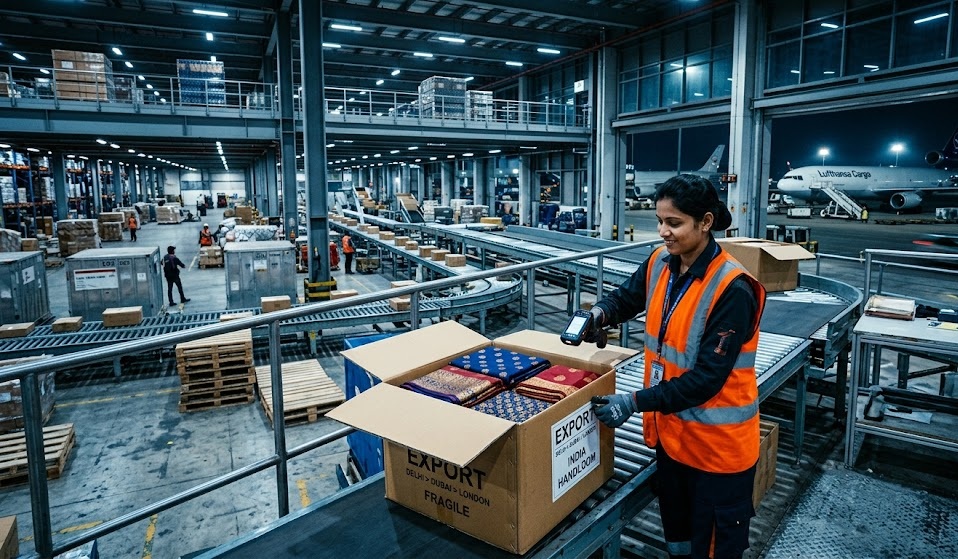
Key drivers behind this growth include:
- Rising global demand for sustainable textiles
- Increased visibility of artisan clusters through digital platforms
- Stronger branding of GI-tagged handloom products
- Export incentives and government-backed craft promotion
According to official trade updates, India’s handicrafts exports crossed $3.5 billion in FY 2022–23, with handloom-based products contributing a significant share.
For buyers abroad, this means more availability—but also more variation in quality, authenticity, and pricing.
What Makes Indian Handloom Products Valuable
The value of Indian handloom lies in its manual weaving process, regional identity, and material integrity. Unlike powerloom fabrics, handloom textiles are created using traditional looms operated by skilled artisans.
This results in:
- Subtle irregularities that indicate human craftsmanship
- Breathable, natural fiber construction
- Unique patterns tied to specific regions
For example, textiles from Gujarat, Andhra Pradesh, and Tamil Nadu each reflect distinct weaving traditions and dyeing techniques. Buyers who understand these differences are better equipped to make informed decisions.
Popular Indian Handloom Products In Global Demand
Certain categories are consistently driving export growth due to their versatility and cultural appeal.
| Product Type | Key Regions | Buyer Appeal |
|---|---|---|
| Sarees (Banarasi, Kanjivaram) | Uttar Pradesh, Tamil Nadu | Luxury and heritage |
| Handwoven Cotton Fabrics | Andhra Pradesh, West Bengal | Lightweight and breathable |
| Ajrakh Textiles | Gujarat, Rajasthan | Natural dyes and geometric patterns |
| Pashmina Shawls | Kashmir | Premium, high-value gifting |
These products are often marketed internationally as artisan-made or heritage textiles, making authenticity a critical factor for buyers.
The Risk Of Imitations In International Markets
As demand increases, so does the presence of powerloom replicas and synthetic alternatives being sold as handloom.
Common issues buyers face include:
- Machine-made fabrics labeled as “handwoven”
- Synthetic dyes replacing natural dye processes
- Lack of transparency about origin
This is particularly common in online marketplaces, where visual similarity can mask significant differences in craftsmanship and material quality.
For buyers exploring Indian textiles, understanding distinctions such as Ajrakh fabric authenticity tests can help avoid misleading purchases.
How To Verify Authentic Handloom Products
Verification is one of the most important steps when purchasing Indian handloom products abroad.
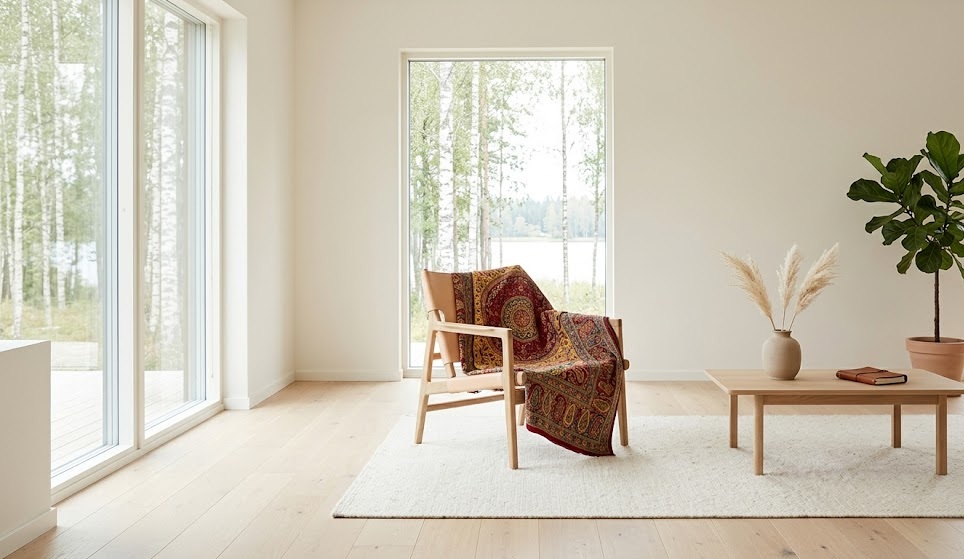
Buyers should look for:
- Handloom Mark certification issued by the Government of India
- Clear mention of weaving cluster or region
- Visible irregularities in weave (a sign of manual production)
- Seller transparency about materials and process
Authentic handloom fabrics often feel softer and more breathable, with slight variations that distinguish them from uniform, machine-made textiles.
Pricing Expectations For International Buyers
Pricing for handloom products varies widely depending on region, material, and complexity.
| Product Category | Typical Price Range (International) |
|---|---|
| Handloom Cotton Scarves | $20 – $80 |
| Ajrakh / Kalamkari Fabrics | $30 – $150 |
| Banarasi Silk Sarees | $150 – $800+ |
| Pashmina Shawls | $200 – $1,000+ |
Extremely low prices are often a red flag, indicating machine production or synthetic materials.
Buyers should evaluate price alongside origin, craftsmanship, and certification, rather than relying on cost alone.
The Role Of GI Tags And Government Certification
India has expanded its focus on Geographical Indication (GI) tagging, which links products to specific regions and traditional production methods.
GI tags help:
- Protect artisan communities
- Prevent misuse of regional craft names
- Provide buyers with authenticity assurance
For official verification, buyers can refer to the Geographical Indications Registry of India, which maintains a database of recognized crafts and textiles.
GI-tagged handlooms often command higher prices due to their verified origin and cultural significance.
What International Buyers Should Prioritize
When purchasing Indian handloom products abroad, buyers should focus on three core factors:
- Authenticity: Verified origin and traditional production
- Material quality: Natural fibers and dyes
- Transparency: Clear information from sellers
Shipping considerations also matter. Lightweight textiles are ideal for international delivery, while heavier items require careful packaging.
Why This Trend Matters For Buyers
The resurgence of Indian handloom exports reflects a broader shift in global consumer behavior—toward authentic, sustainable, and culturally meaningful products.
For buyers, this creates an opportunity to access some of the world’s most refined textile traditions. But it also requires a more informed approach to purchasing.
Understanding how handloom works, where it comes from, and how to verify authenticity ensures that buyers are not just purchasing fabric—but investing in heritage, craftsmanship, and long-term value.