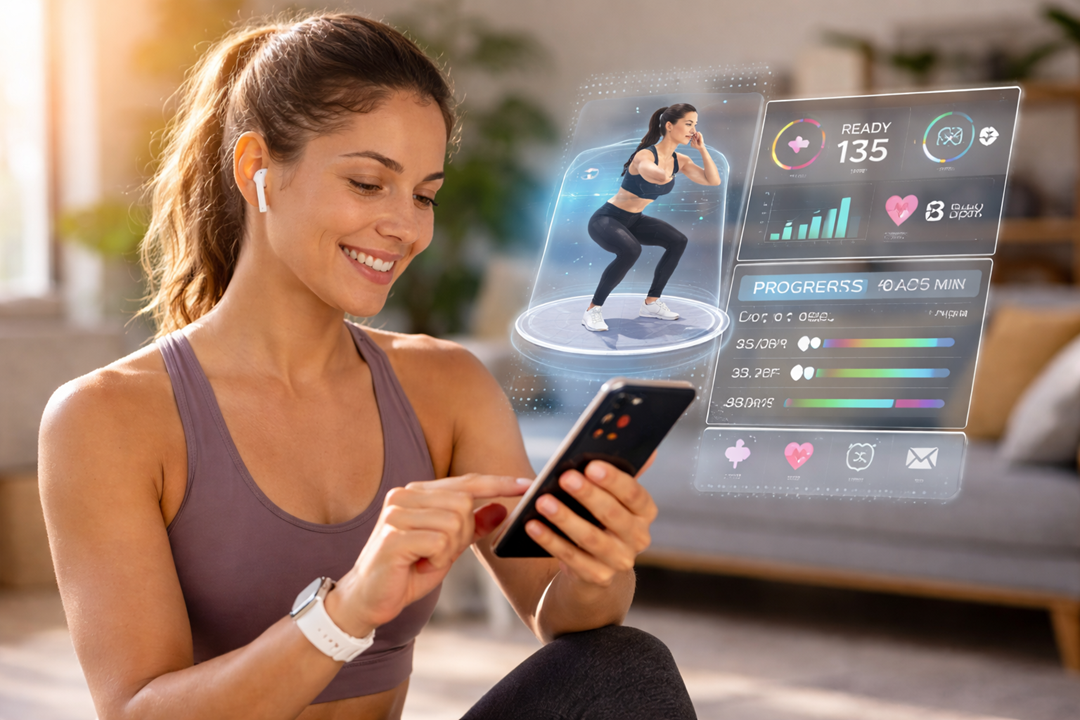
Technology has transformed nearly every part of modern life, and fitness is no exception. In recent years, artificial intelligence (AI) has begun playing a major role in how people train, recover, and track their progress. From adaptive workout apps to AI-powered coaching platforms, personalized fitness is becoming more accessible than ever.
Instead of relying on generic workout plans, individuals can now receive recommendations tailored to their goals, performance levels, and recovery needs. As AI systems continue to evolve, they are helping reshape the way people approach long-term health and physical performance.
What Personalized Fitness Means In The Age Of AI
Personalized fitness refers to training programs designed specifically around an individual’s needs, preferences, and physical data. Traditionally, this type of guidance was only available through personal trainers or specialized coaching.
AI is changing that dynamic by analyzing large sets of health and activity data. By processing information such as workout performance, sleep quality, heart rate variability, and recovery patterns, AI platforms can recommend adjustments to training routines in real time.
This shift allows everyday users to receive feedback that once required professional coaching. Instead of static plans, workouts can evolve based on how the body responds to training.
How AI Analyzes Fitness And Health Data
Modern fitness technology gathers information from multiple sources. Wearable devices, smart equipment, and mobile fitness apps continuously collect data that AI systems can interpret to identify patterns.
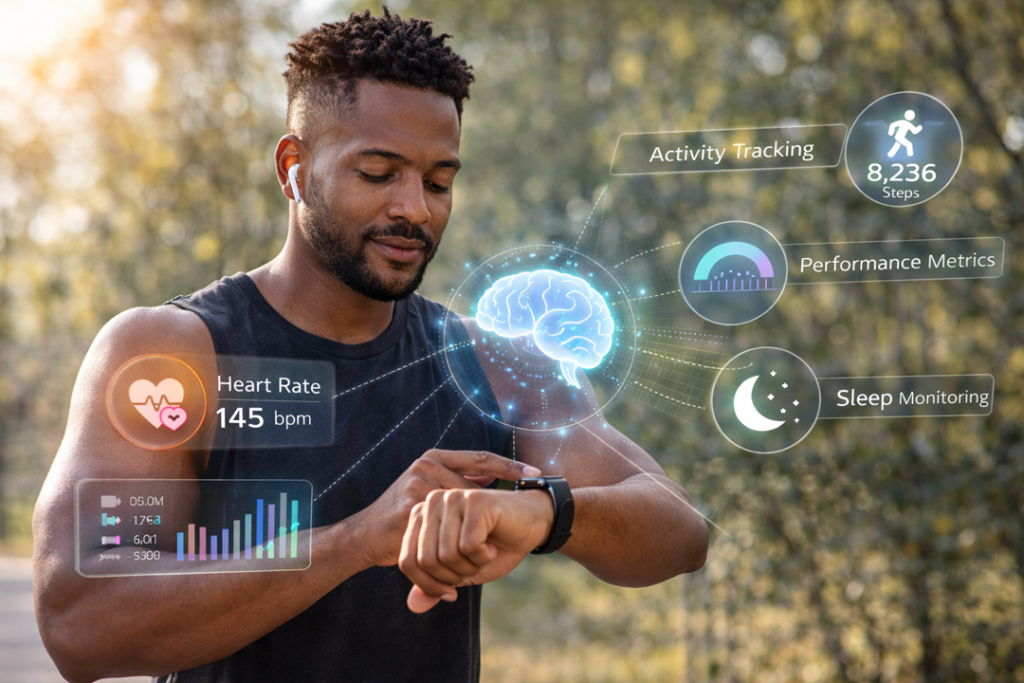
These insights allow algorithms to optimize workouts for both efficiency and safety.
| Data Source | What It Measures | How AI Uses It |
|---|---|---|
| Heart rate sensors | Cardiovascular effort | Adjusts training intensity |
| Activity tracking | Movement and workout frequency | Suggests consistent routines |
| Sleep monitoring | Sleep quality and recovery | Recommends rest or lighter workouts |
| Performance metrics | Speed, strength, endurance | Personalizes future sessions |
For individuals already using wearable fitness tracking technology, AI platforms can combine these metrics to build highly personalized training recommendations.
AI Coaching And Adaptive Workout Programs
One of the most visible applications of AI in fitness is adaptive workout coaching. These systems analyze past workouts and adjust upcoming sessions based on performance trends.
For example, if a user consistently completes workouts easily, the program may increase intensity or introduce more challenging exercises. If recovery indicators suggest fatigue, the system may recommend lighter training or recovery sessions.
This adaptive approach helps reduce common fitness challenges such as overtraining or stagnation. Instead of repeating the same routine indefinitely, workouts evolve alongside the user’s progress.
The Benefits Of AI-Driven Training
AI-powered fitness platforms offer several advantages that help make training more efficient and sustainable.
| Benefit | Why It Matters |
|---|---|
| Personalized programming | Workouts match individual ability levels |
| Real-time adjustments | Training intensity adapts to performance |
| Data-driven insights | Progress becomes measurable and visible |
| Accessible coaching | Guidance becomes available without hiring a trainer |
For beginners, these features can help remove uncertainty about where to start. For experienced exercisers, AI tools provide detailed insights that can fine-tune performance.
Limitations And Challenges Of AI Fitness Technology
Despite its advantages, AI fitness technology still has limitations. Algorithms rely heavily on the accuracy of the data they receive, and wearable sensors may occasionally produce inconsistent readings.
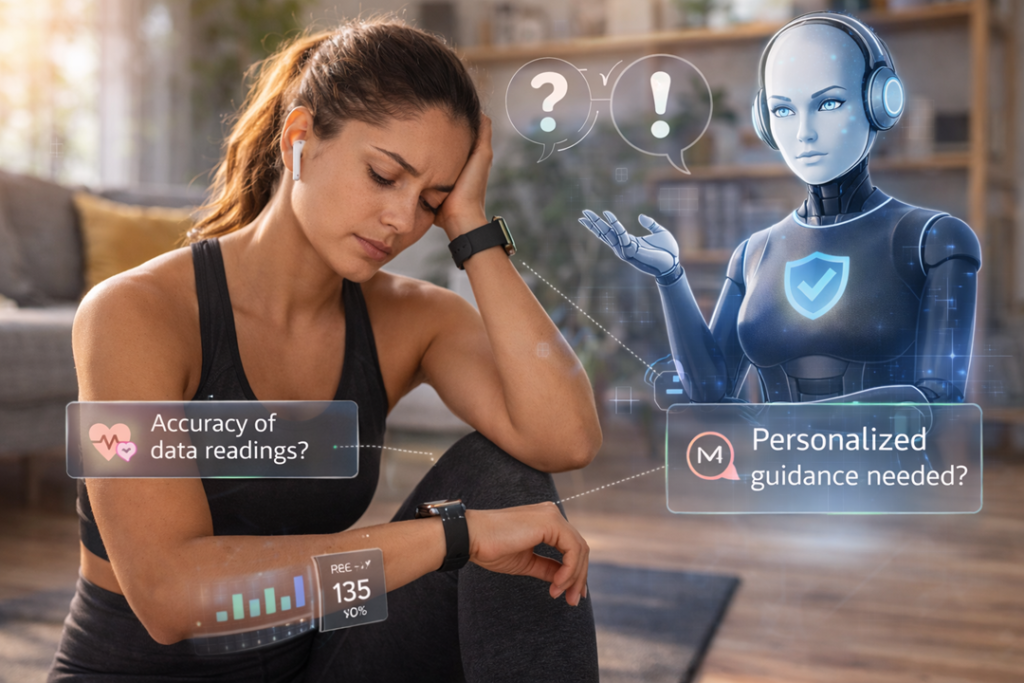
Additionally, while AI can provide valuable insights, it cannot fully replace the nuanced judgment of experienced trainers or healthcare professionals. Factors such as injury history, mental motivation, and lifestyle stressors may require human interpretation.
Experts often recommend using AI fitness tools as supportive guidance rather than absolute instruction. According to the American College of Sports Medicine fitness technology trends report, wearable technology and AI-based coaching are among the fastest-growing developments in the global fitness industry.
The Future Of AI In Fitness Training
As machine learning models improve, AI systems will likely become even more precise in analyzing health data and predicting training needs. Future developments may include advanced motion tracking, real-time form correction, and deeper integration with medical data.
These innovations could allow fitness platforms to provide recommendations not only for workouts but also for recovery strategies, nutrition habits, and injury prevention.
The result is a more connected approach to health—one where technology helps individuals make informed decisions about how they train and care for their bodies.
A Smarter Approach To Fitness
Fitness has traditionally relied on trial and error. People experiment with different routines, hoping to find what works best for their bodies. AI-powered fitness platforms are changing that process by providing clearer feedback and personalized guidance.
While technology cannot replace discipline or consistency, it can provide valuable insights that make training more efficient and sustainable. As personalized fitness continues to evolve, AI will likely remain a central part of how people approach health, performance, and long-term well-being.