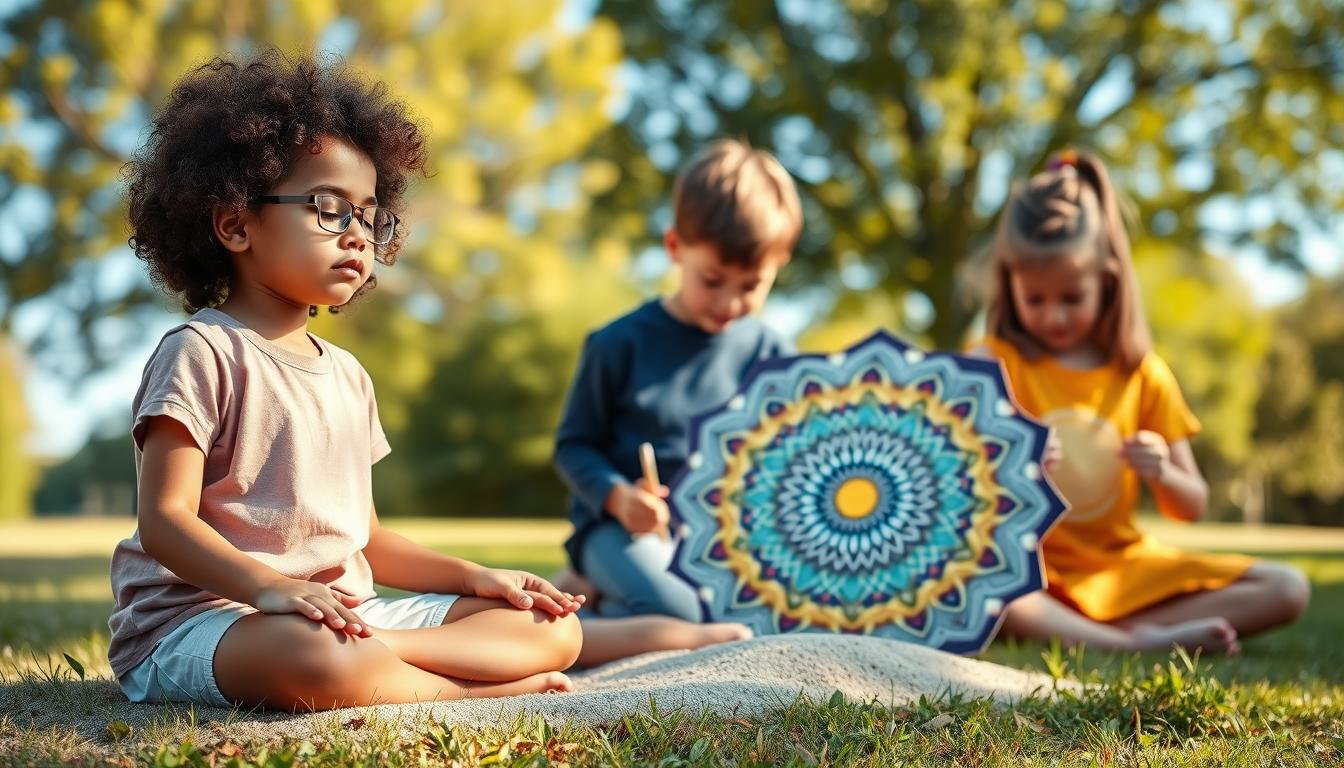
Benefits of Mindfulness for Children
Mindfulness is a powerful tool that offers numerous benefits for children. By incorporating mindfulness into their daily lives, children can experience improved emotional regulation, enhanced focus, and increased self-awareness. These benefits can have a positive impact on their overall well-being and development.
One of the key advantages of mindfulness for children is its ability to help them manage their emotions. Through mindfulness practices, children can develop the skills to recognize and understand their feelings, leading to better emotional regulation. This can result in reduced stress, anxiety, and behavioral challenges.
Mindfulness also enhances focus and concentration in children. By practicing mindfulness, children can improve their ability to stay present and focused, leading to better academic performance and increased productivity. This can be beneficial in various areas of their lives, from schoolwork to extracurricular activities.
Another significant benefit of mindfulness for children is increased self-awareness. Through mindfulness practices, children can develop a deeper understanding of themselves, including their thoughts, feelings, and behaviors. This self-awareness can help them make better choices, develop self-confidence, and cultivate a positive self-image.
By incorporating mindfulness into their daily lives, children can experience these benefits and more. Mindfulness can be practiced through various activities, such as meditation, deep breathing exercises, and mindful movement. These practices can be adapted to suit the needs and interests of children, making mindfulness accessible and enjoyable for them.
Overall, mindfulness offers a wide range of benefits for children, including improved emotional regulation, enhanced focus, and increased self-awareness. By introducing mindfulness into their daily lives, children can develop valuable skills that will benefit them throughout their lives.
Benefits of Mindfulness for Children:
- Improved emotional regulation
- Enhanced focus and concentration
- Increased self-awareness
- Reduced stress and anxiety
- Positive impact on overall well-being and development
Benefits of Mindfulness for Kids
Mindfulness for kids offers a wide range of benefits that can positively impact their lives. By incorporating mindfulness into their daily routines, children can develop essential skills that contribute to their overall well-being.
1. Improved Emotional Regulation
Mindfulness helps children develop emotional regulation skills, enabling them to manage their feelings and respond to challenging situations in a more constructive way. By practicing mindfulness, kids can learn to recognize and understand their emotions, leading to better emotional control and resilience.
2. Enhanced Focus and Concentration
Mindfulness practices, such as meditation and deep breathing exercises, can improve focus and concentration in children. By training their minds to stay present and focused, kids can enhance their ability to pay attention and stay engaged in various activities.
3. Better Sleep Quality
Mindfulness techniques, such as guided imagery and progressive muscle relaxation, can help children develop healthy sleep habits. By practicing mindfulness before bedtime, kids can relax their minds and bodies, leading to improved sleep quality and better rest.
4. Increased Self-Awareness
Mindfulness helps children develop a greater sense of self-awareness, enabling them to understand their thoughts, feelings, and behaviors. By practicing mindfulness, kids can gain valuable insights into their own strengths, weaknesses, and areas for growth, leading to increased self-awareness and self-acceptance.
5. Improved Social Skills
Mindfulness can enhance social skills in children, such as empathy, communication, and conflict resolution. By practicing mindfulness, kids can develop a deeper understanding of others’ perspectives and emotions, leading to improved relationships and social interactions.
6. Reduced Stress and Anxiety
Mindfulness practices, such as meditation and deep breathing exercises, can help children manage stress and anxiety. By teaching kids mindfulness techniques, parents and caregivers can provide them with tools to cope with challenging situations and promote overall well-being.
By incorporating mindfulness into their daily lives, kids can experience these benefits and develop a strong foundation for their emotional, social, and cognitive growth.
| Benefits of Mindfulness for Kids |
|---|
| Improved emotional regulation |
| Enhanced focus and concentration |
| Better sleep quality |
| Increased self-awareness |
| Improved social skills |
| Reduced stress and anxiety |
Benefits of Mindfulness for Children
Mindfulness is a powerful tool that offers numerous benefits for children. By incorporating mindfulness into their daily lives, children can experience improved emotional regulation, enhanced focus, and increased self-awareness. These benefits can have a positive impact on their overall well-being and help them develop essential life skills.
One of the key advantages of mindfulness for children is its ability to improve emotional regulation. Mindfulness practices help children develop the skills to recognize and manage their emotions in a healthy way. By practicing mindfulness, children can learn to calm their minds, reduce stress and anxiety, and develop a greater sense of emotional balance.
Another significant benefit of mindfulness for children is its impact on focus and concentration. Mindfulness practices, such as meditation and deep breathing exercises, can help children improve their ability to stay focused and attentive. By training their minds to stay present and aware, children can enhance their academic performance, complete tasks more efficiently, and develop better time management skills.
Self-awareness is another important benefit of mindfulness for children. Through mindfulness practices, children can develop a deeper understanding of themselves, including their thoughts, feelings, and behaviors. This increased self-awareness allows children to make better choices, set boundaries, and develop a stronger sense of self.
By incorporating mindfulness into their daily lives, children can experience these benefits and more. Mindfulness practices can be adapted to suit the needs and interests of children, making it a versatile and accessible tool for promoting their well-being.
Testimonials from Parents and Educators
“Mindfulness has been a game-changer for my child. It has helped them develop better emotional regulation and focus in school. I’ve seen a significant improvement in their overall well-being and behavior.” – Sarah, Parent
“Mindfulness practices have been incredibly beneficial for our students. They have improved their ability to stay focused, manage their emotions, and develop a greater sense of self-awareness. It’s been amazing to see the positive impact it has had on their lives.” – Emily, Educator
Benefits of Mindfulness for Families
Mindfulness offers numerous benefits for families, fostering a deeper connection and promoting emotional well-being. By incorporating mindfulness into daily routines, families can experience a range of positive outcomes.
Enhanced Family Bonding
One of the key benefits of mindfulness for families is the enhancement of family bonding. Mindfulness activities, such as meditation and shared mindfulness exercises, encourage open communication and empathy. These practices help families develop a stronger sense of unity and understanding, leading to a more harmonious and supportive environment.
Improved Emotional Well-being
Mindfulness also plays a significant role in improving emotional well-being within families. By practicing mindfulness, individuals can better manage stress, anxiety, and other emotions. This, in turn, contributes to a more positive and emotionally stable family environment. Mindfulness activities help families develop emotional resilience, enabling them to navigate life’s challenges with greater ease and understanding.
Stress Reduction
Stress reduction is another important benefit of mindfulness for families. Mindfulness practices, such as deep breathing exercises and meditation, help individuals relax and manage stress levels. By incorporating these activities into daily routines, families can create a more peaceful and calm atmosphere, reducing overall stress and promoting a sense of well-being.
By embracing mindfulness, families can cultivate a deeper connection, improve emotional well-being, and reduce stress levels. Mindfulness activities offer a valuable tool for families to enhance their relationships and create a more harmonious and supportive environment.
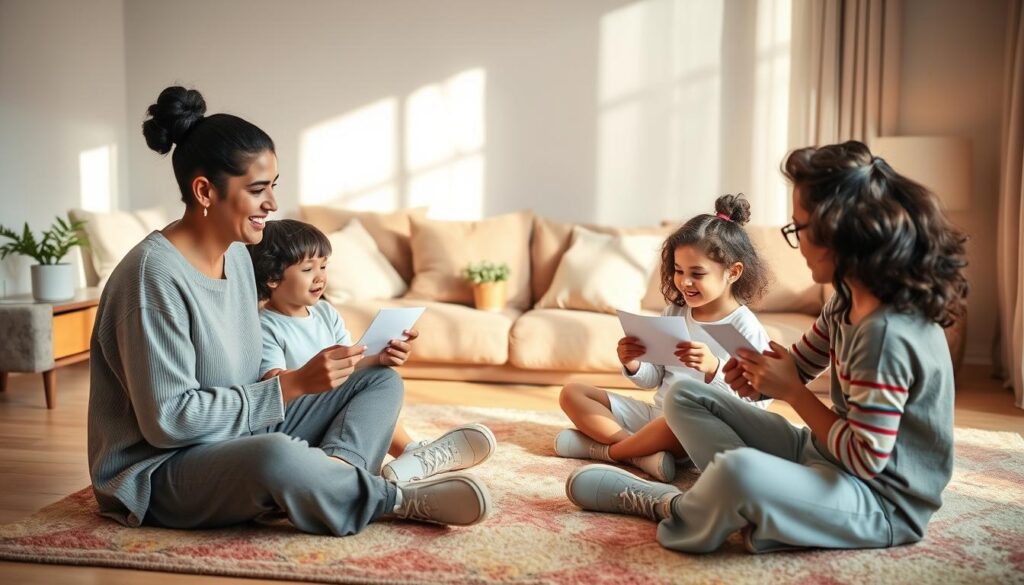
Bedtime Mindfulness Routines
Bedtime resistance isn’t defiance—it’s biology. Mindfulness offers the gentle shutdown sequence young brains actually need. Think of it as the neurological equivalent of dimming lights.
Children’s brains are like construction sites. Asking them to stop suddenly is like telling a crew to drop tools mid-project. The result? Mental debris everywhere. Bedtime mindfulness provides the cleanup crew.
Start with the body. The five-finger starfish meditation transforms little hands into calming tools. Have your child trace each finger slowly while breathing in and out.
This isn’t just cute—it’s neuroscience in action. The tactile focus anchors wandering attention. The rhythmic breathing activates the parasympathetic nervous system.
For emotional processing, evening storytime gets an upgrade. Replace generic “how was your day” with targeted questions that structure reflection:
- “What made you smile today?” (scans for positive memory)
- “What was something new you noticed?” (reinforces present-moment awareness)
- “What’s one hope for tomorrow?” (projects positive future orientation)
This trio operates like emotional software updates. It validates yesterday’s experiences, grounds in today’s reality, and optimistically programs tomorrow’s outlook. All while snuggled under blankets.
For very young children, keep it sensory-based. Teach them to identify emotions through physical cues. “Does your tummy feel tight when you’re worried?” “Do your shoulders feel heavy?” This builds emotional literacy before vocabulary catches up.
Mindful breathing strategies work wonders here. Try counting breaths together—inhale for three, exhale for three. Or practice “noticing breath” by placing a stuffed animal on their belly and watching it rise and fall. These children mindfulness activities transform abstract concepts into tangible experiences.
The table below compares different approaches to bedtime mindfulness. Each serves a distinct neurological purpose:
| Activity | Primary Focus | Neurological Benefit | Age Appropriateness | Time Required |
|---|---|---|---|---|
| Five-Finger Starfish | Sensory Anchoring | Activates parasympathetic nervous system | 3-8 years | 3-5 minutes |
| Evening Reflection Questions | Emotional Processing | Integrates hippocampal memory with prefrontal planning | 4-12 years | 5-7 minutes |
| Counting Breath Meditation | Attention Regulation | Strengthens anterior cingulate cortex focus pathways | 5-10 years | 2-4 minutes |
| Body Scan for Kids | Interoceptive Awareness | Enhances insula connectivity for bodily awareness | 6-12 years | 4-6 minutes |
| Gratitude Breath (inhale gratitude, exhale worry) | Positive Emotion Cultivation | Boosts serotonin pathways while reducing amygdala activation | 4-9 years | 3-5 minutes |
Notice the pattern? Each activity provides a specific neural pathway for that excess bedtime energy. Instead of fighting biology, you’re redirecting it.
The real magic happens in consistency. Night one might feel awkward. Night seven starts showing subtle shifts. By night twenty-one, you’ve basically rewired the bedtime routine from battle to ritual.
Pro tip: Let children lead sometimes. Ask “which calming practice should we try tonight?” This builds ownership. It transforms mindfulness from parental imposition to child-chosen tool.
Remember, the goal isn’t instant sleep. It’s creating the conditions where sleep can naturally occur. You’re not forcing calm—you’re architecting the space for it to emerge.
These bedtime children mindfulness activities work because they respect developmental reality. They meet children where their brains actually are, not where our schedules wish they were. The result? Fewer power struggles, more connection, and brains that actually know how to power down.
Benefits of Mindfulness for Kids
Mindfulness for kids offers a wide range of benefits that can positively impact their lives. By incorporating mindfulness into their daily routines, children can develop essential skills that contribute to their overall well-being.
1. Improved Emotional Regulation
Mindfulness helps children develop emotional regulation skills, enabling them to manage their feelings and respond to challenging situations in a more constructive way. By practicing mindfulness, kids can learn to recognize and understand their emotions, leading to better emotional control and resilience.
2. Enhanced Focus and Concentration
Mindfulness exercises for kids can significantly improve their focus and concentration. By training their minds to stay present and attentive, children can enhance their ability to stay focused during tasks and activities, leading to better academic performance and overall productivity.
3. Reduced Stress and Anxiety
Mindfulness techniques for kids can help them manage stress and anxiety, promoting a sense of calm and well-being. By practicing mindfulness, children can develop coping strategies and learn to navigate challenging situations with greater ease and confidence.
4. Improved Sleep Quality
Mindfulness practices can also contribute to improved sleep quality in children. By establishing a calming pre-sleep routine and teaching kids to relax their minds and bodies, mindfulness can help them develop healthy sleep habits and experience better rest and recovery.
5. Increased Self-Awareness
Mindfulness for kids fosters self-awareness, enabling them to develop a deeper understanding of their thoughts, feelings, and behaviors. By practicing mindfulness, children can gain valuable insights into their own strengths, weaknesses, and areas for growth, leading to increased self-confidence and self-acceptance.
By incorporating mindfulness into their daily lives, kids can experience these numerous benefits and develop a strong foundation for their emotional, social, and academic well-being.
| Benefits of Mindfulness for Kids |
|---|
| Improved emotional regulation |
| Enhanced focus and concentration |
| Reduced stress and anxiety |
| Improved sleep quality |
| Increased self-awareness |
Benefits of Mindfulness for Children
Mindfulness is a powerful tool that offers numerous benefits for children. By incorporating mindfulness into their daily lives, children can experience improved emotional well-being, enhanced focus, and better overall mental health.
One of the key advantages of mindfulness for children is its ability to help them manage stress and anxiety. In today’s fast-paced world, children are often exposed to a multitude of stressors, from school pressures to social media. Mindfulness practices, such as deep breathing and meditation, can provide children with the tools they need to calm their minds and find inner peace.
Another significant benefit of mindfulness for children is its impact on their emotional well-being. By practicing mindfulness, children can develop a greater awareness of their emotions and learn to navigate them in a healthy way. This can lead to improved self-regulation, increased empathy, and stronger relationships with family and friends.
Studies have shown that mindfulness can also have a positive effect on children’s academic performance. By improving focus and concentration, mindfulness can help children stay engaged in their studies and achieve better grades. It can also enhance their ability to solve problems and think critically, skills that are essential for success in school and beyond.
Overall, incorporating mindfulness into children’s lives can have a profound impact on their well-being and development. By teaching children the practice of mindfulness, parents and educators can empower them to navigate the challenges of childhood with greater ease and resilience.
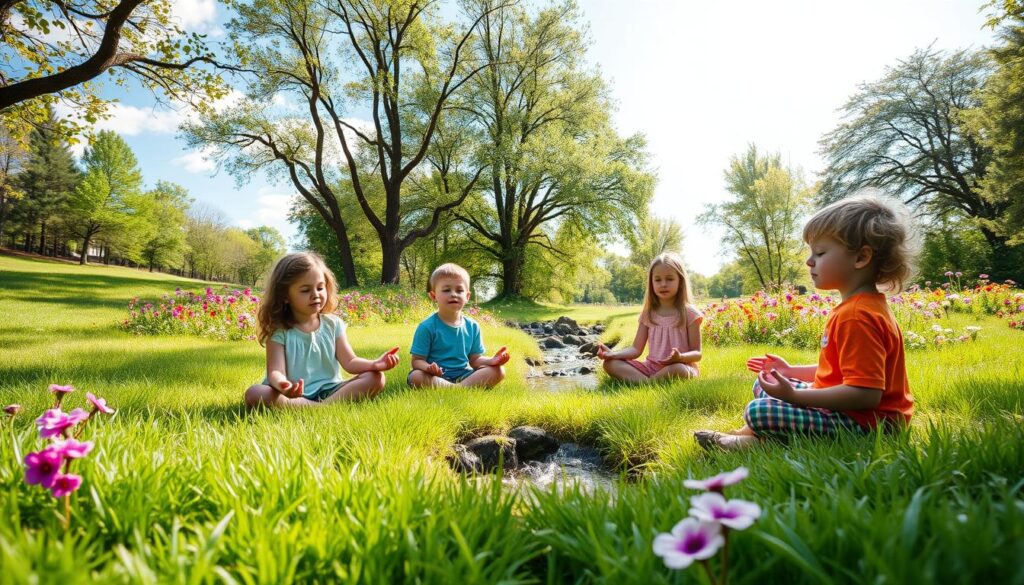
Testimonials from Parents and Educators
“Mindfulness has been a game-changer for my child. It has helped them manage their anxiety and improve their focus in school. I’ve seen a significant difference in their overall well-being.” – Sarah, Parent
“Mindfulness has transformed our classroom environment. It has helped our students develop better emotional regulation and improved their ability to work together as a team. It’s been a valuable addition to our curriculum.” – Emily, Educator
Emotional Regulation Through Mindfulness
Emotional regulation isn’t about hiding feelings. It’s about teaching kids to handle their emotions. This skill is more important than ABCs in today’s world.
The Mindful Jar is a great tool for teaching emotions. It’s filled with water, glitter, and shaken. The glitter swirls, showing the chaos of emotions.
Then, the glitter settles, and calm returns. This teaches kids that feelings are temporary. It’s a simple way to understand emotions.
But, we need real-life examples too. That’s where the Calm Corner comes in. It’s a cozy spot with cushions and a glitter jar.
Using the Calm Corner teaches kids to choose calm. It’s different from being punished. This approach helps kids feel safe and in control.
The Mindful Jar and Calm Corner work together. They show that emotions are normal and can be managed. This helps kids grow strong from the inside out.
Children learn to say “I’m having glitter-jar thoughts.” They learn to pause and breathe. This helps them understand their feelings better.
We’re not making emotionless kids. We’re teaching them to understand their feelings. The Mindful Jar and Calm Corner help them feel and manage their emotions.
Benefits of Mindfulness for Children
Mindfulness offers numerous benefits for children, helping them develop essential skills for a healthy and balanced life. By practicing mindfulness, children can improve their emotional well-being, enhance their focus and concentration, and develop a greater sense of self-awareness.
One of the key benefits of mindfulness for children is its ability to improve emotional well-being. Through mindfulness practices, children can learn to recognize and manage their emotions, leading to increased emotional intelligence and resilience. This can help them navigate challenging situations and develop healthy coping mechanisms.
Mindfulness also enhances focus and concentration in children. By training their minds to stay present and focused, children can improve their ability to complete tasks, pay attention in class, and engage in activities with greater enthusiasm and dedication.
Another significant benefit of mindfulness for children is the development of self-awareness. Through mindfulness practices, children can gain a deeper understanding of their thoughts, feelings, and behaviors. This increased self-awareness empowers them to make better choices, set goals, and develop a stronger sense of identity.
By incorporating mindfulness into their daily lives, children can experience these benefits firsthand. Whether through guided meditation, mindful breathing exercises, or engaging mindfulness activities, children can develop the skills and mindset necessary for a fulfilling and balanced life.
Benefits of Mindfulness for Children:
- Improved emotional well-being
- Enhanced focus and concentration
- Increased self-awareness