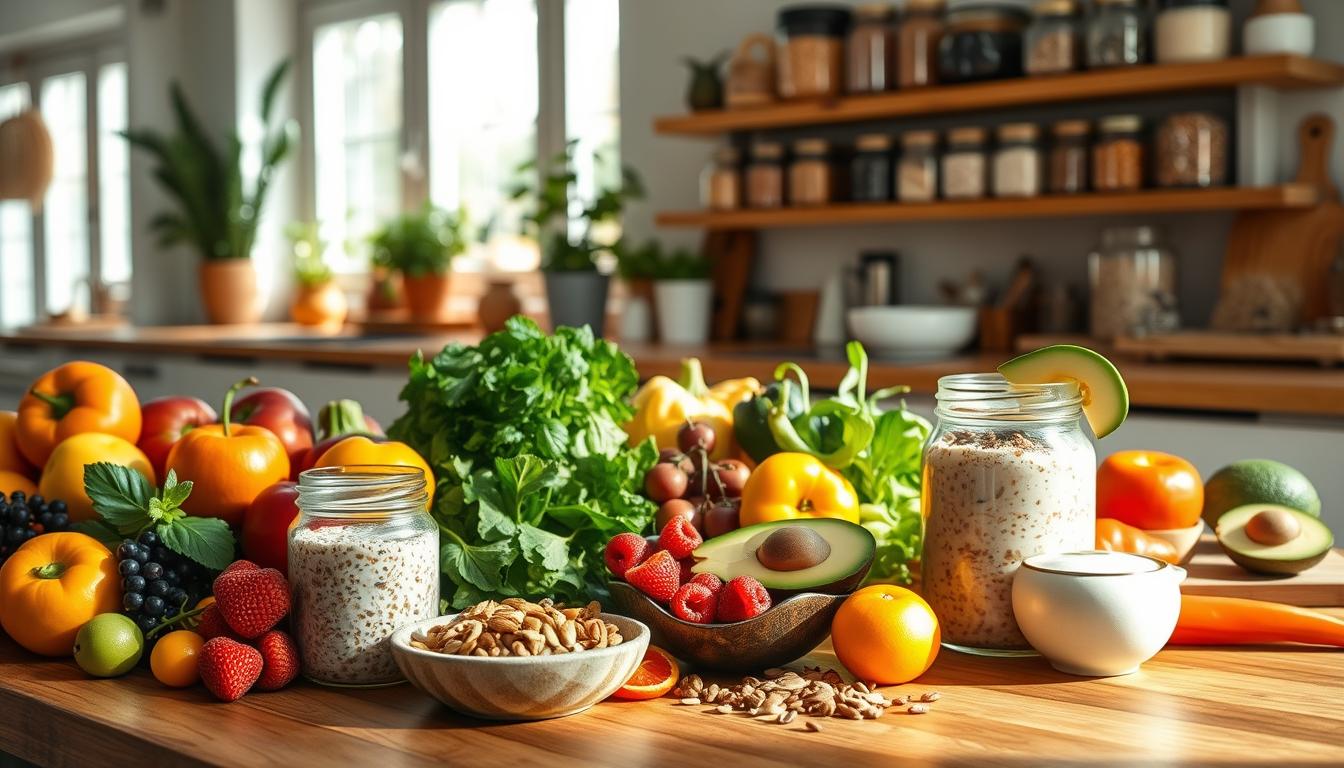
Welcome to the guide for smart grocery shopping. We see the supermarket as a place for important choices, like voting in a debate.
This isn’t just about buying food. It’s about picking items that make your doctor and your inner critic happy.
We’re exploring how to make your kitchen better for you. It’s like creating a wellness space, one item at a time.
In a world where stores tempt us with food, knowing what to buy is key. It’s a skill to survive.
Introduction: Shopping Smart for Health
Have you ever noticed how grocery stores are like political conventions? The outer parts are like the center, and the inner aisles are like the radical fringe. It’s like watching Ivy League graduates turn into kids in the snack aisle.
Most of us shop like we’re on Supermarket Sweep, not like we’re choosing healthy foods. We go in without a plan and end up with chips and doubt.
The perimeter strategy is more than just shopping advice. It’s a way of thinking. Fresh foods, meats, dairy, and whole foods are on the outside. The center aisles have “edible products,” not real food.
Your shopping list should be like a legislative agenda. Stick to it like a politician facing lobbyists. Coming home with fancy crackers but no veggies is a sign of defeat.
Planning ahead makes you a nutritional adult, not a snack kid. Here’s why the perimeter strategy is good:
| Store Section | What You’ll Find | Why It Matters |
|---|---|---|
| Produce Perimeter | Fresh fruits and vegetables | Highest nutrient density per dollar |
| Dairy Wall | Milk, yogurt, eggs | Protein and calcium sources |
| Meat Counter | Fresh poultry and fish | Lean protein options |
| Bakery Corner | Whole grain breads | Fiber-rich carbohydrates |
The inner aisles are where food science meets dinner. They’re made to get your cravings, not feed your body.
Finding the healthiest groceries means treating your cart like a vote. Each item is a choice for your health. Will you choose fresh foods or processed ones?
Smart shopping starts before you go to the store. It’s about making a list for Future You, who wants energy and clarity, not regret.
Core Principles of Nutritious Shopping
Finding the best foods for home wellness in the grocery store is simpler than it seems. It’s harder because tempting snack foods aren’t rocket fuel. People often spend more time choosing coffee makers than checking if their bread is real food.
The key is simple: if your great-grandmother wouldn’t know it as food, maybe you shouldn’t eat it. Let’s explore the basics for your kitchen.
The Whole Grain Standard
Whole grains are like the stable foundation of your pantry. They keep things running smoothly. Look for items labeled “100% whole wheat” or “whole grains” like they’re running for office.
These aren’t just buzzwords. They’re your fiber-rich allies against midday energy crashes. White bread? That’s like empty campaign promises.
The Produce Majority
Fruits and vegetables should make up about 50% of your plate. They’re like the executive branch, keeping your health in check. They should be colorful, diverse, and always fresh.
This isn’t just about looks. It’s about fighting inflammation and afternoon slumps. Your cart should be a rainbow of health benefits.
Lean Protein Judiciary
Proteins are like the judicial branch, keeping things in order. Choose lean cuts without excess fat.
Chicken, fish, and legumes are your constitutional lawyers. They fight for muscle maintenance and energy. They keep your metabolism running well.
Processed Food Limitations
Processed foods are like lobbyists trying to undermine your health. Avoid anything high in added sugars, sodium, and saturated fats.
If the ingredient list looks like a chemistry textbook, it’s not food. It’s edible science experiments.
| Food Category | What to Look For | Health Benefits | Red Flags |
|---|---|---|---|
| Whole Grains | “100% whole wheat” or “whole grains” | Fiber, sustained energy | Enriched flour, bleached wheat |
| Fruits & Vegetables | Fresh, frozen, or canned without added sugars | Vitamins, antioxidants, fiber | Syrup-packed, creamy sauces |
| Lean Proteins | Skinless poultry, fish, legumes | Muscle maintenance, satiety | Visible fat, processed meats |
| Dairy & Alternatives | Low-fat, unsweetened options | Calcium, protein | Added sugars, artificial flavors |
Your cart is your first defense in the nutritional revolution. Stock it with the best foods for home wellness. You’re not just shopping; you’re voting for your health with every item scanned.
The grocery store is where nutritional policies come to life. Make your cart a platform of whole foods, lean proteins, and colorful produce. Your body will thank you with better energy, improved health, and fewer cravings for processed snacks.
Superfoods for Every Cart
Forget about exotic goji berries and acai. The real nutritional powerhouses are in your local grocery store. These foods are everyday items that pack more nutrition than a big government package.
Let’s look at the A-team of your shopping cart. These foods don’t just fill your belly. They upgrade your body’s cells. Think of them as nature’s original biohacks, perfected over millennia without Silicon Valley help.
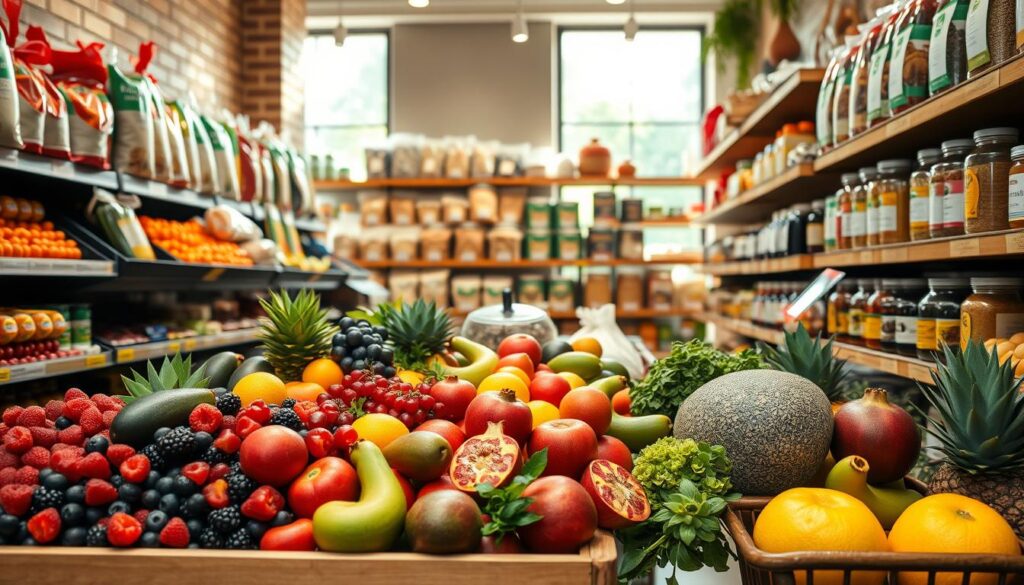
The secret to smart healthy shopping tips isn’t rare ingredients. Ordinary broccoli has more vitamins than most supplements. Blueberries have more antioxidants than a political debate has points.
Most “superfoods” are just regular foods that avoided industrial processing. They’re like unedited tweets – pure, potent, and exactly as nature made them.
| Superfood Category | Top Performers | Nutritional Superpowers | Shopping Pro Tip |
|---|---|---|---|
| Leafy Greens | Kale, Spinach, Swiss Chard | Vitamin K, Iron, Folate | Choose deeply colored leaves – darker means more nutrients |
| Berries | Blueberries, Raspberries, Blackberries | Antioxidants, Fiber, Vitamin C | Frozen often beats fresh – picked at peak ripeness |
| Fatty Fish | Salmon, Mackerel, Sardines | Omega-3s, Protein, Vitamin D | Wild-caught preferred, but sustainable options work too |
| Nuts & Seeds | Almonds, Walnuts, Chia Seeds | Healthy Fats, Magnesium, Fiber | Buy raw and unsalted – you control the seasoning |
| Cruciferous Veggies | Broccoli, Cauliflower, Brussels Sprouts | Sulforaphane, Vitamin C, Fiber | Stalks and stems often contain extra nutrients |
Notice something fascinating? The most powerful foods are often the least processed. They’re like primary sources – unfiltered, unedited, and full of impact.
Your best healthy shopping tips strategy? Think color, variety, and minimal processing. If it looks like it just came from the ground or tree, you’re probably on the right track.
Remember: true superfoods don’t need marketing campaigns. Their nutritional resumes speak for themselves. They’re the foods that would ace their nutritional SATs without even studying.
The real magic happens when these ingredients work together. A cart filled with diverse colors and textures creates nutritional synergy that would make any biochemist proud.
So next time you’re shopping, think beyond trends. The most revolutionary healthy shopping tips often involve the most conventional foods. Sometimes, the most extraordinary nutrition comes in the most ordinary packages.
Budget-Friendly Brain and Body Boosters
It’s a myth that you need to spend a lot to be healthy. Nature offers some of the best wellness options at very low prices.
Beans are a nutritional gem that’s very affordable. They’re packed with fiber, plant-based protein, and minerals. A can of beans is more nutritious per penny than any supplement.
Eggs are another great deal. They’re a complete food that’s both affordable and full of high-quality protein, vitamins, and choline for brain health. Each egg costs about twenty cents.
Frozen fruits and vegetables are also a smart choice. They have almost the same nutrients as fresh ones but cost less. It’s like finding a designer suit at a thrift store.
My research shows that real food is often cheaper than processed food. The key is to pick whole ingredients that are rich in nutrients without the extra cost.
Here’s a comparison of cost versus nutritional value:
| Food Item | Cost Per Serving | Key Nutrients | Versatility Score |
|---|---|---|---|
| Canned Beans | $0.35 | Protein, Fiber, Iron | 9/10 |
| Eggs | $0.20 | Protein, Choline, B12 | 10/10 |
| Frozen Spinach | $0.40 | Iron, Vitamin K, Folate | 8/10 |
| Processed Protein Bar | $2.50 | Often fortified | 3/10 |
Building a wellness shopping list with these items is smart. It’s about investing in your health without breaking the bank. The real luxury is knowing how to make ordinary foods do extraordinary things for your health.
Grocery Staples for Busy Lives
Your schedule is packed, like a military operation map. When time is tight, your pantry needs to be quick and efficient. It’s about getting nutritious food fast, without spending hours in the kitchen.
My kitchen runs smoothly, thanks to these key items. They turn a chaotic mealtime into a breeze. No more sad desk salads or sacrificing your sanity to cook.
Frozen cooked grains are lifesavers for busy kitchens. Quinoa, brown rice, farro – they heat up fast. They’re perfect for quick meals.
Canned beans offer reliable protein, like a trusted friend. Chickpeas, black beans, lentils – they’re always ready. Use them in salads, spreads, or as a protein boost.
Whole grain tortillas are versatile and quick. Fill them with eggs, veggies, or beans for a fast meal. They’re like a productivity hack for your plate.
Plant-based milks last longer than dairy and are great in smoothies, oatmeal, or coffee. Choose almond, oat, or soy milk based on taste and nutrition.
Strategic condiments add flavor without extra work. Tahini, salsa, hot sauce, mustard – they make simple dishes pop. No extra prep time needed.
This guide isn’t about complicated recipes. It’s about using staples that save time. When your schedule is crazy, your food shouldn’t be.
These staples are versatile, nutritious, and ready for your busiest days. They turn “I don’t have time to eat well” into “I ate well despite having no time.”
Your kitchen can be both efficient and delicious. These items show that you don’t need hours to eat well. Just make smart choices and have the right ingredients ready.
Choosing Quality Over Quantity
We’ve become a nation of bulk shoppers, proudly wheeling out Costco-sized packages of what I call “edible packaging material.” But here’s the truth they don’t print on those giant boxes: more food doesn’t mean better nutrition.
Real luxury isn’t about how much you buy. It’s about ingredients you can actually say out loud. Preferably because there’s only one ingredient. Think about the difference between actual cheese made from milk and “cheese product” that’s one chemical away from being plastic.
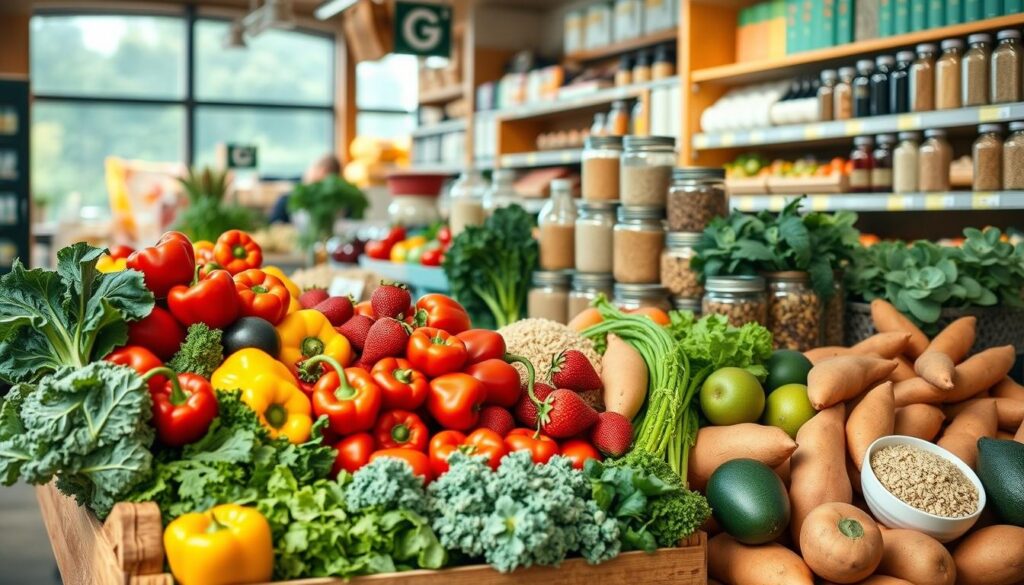
Here’s how to spot the real healthiest groceries versus clever marketing:
- Read labels like you’re investigating a political scandal – serving sizes reveal everything
- Watch for sodium, added sugars, and saturated fats hiding in “healthy” packaging
- Choose items where you recognize every ingredient as actual food
Quality shopping means understanding that sometimes paying more for less is the best deal. You’re buying nutrition, not just calories. Your body isn’t a storage unit – it’s a temple that deserves better building materials.
The smartest shoppers know that the real economy isn’t in the package size. It’s in the nutritional value per bite. That’s how you build a kitchen full of truly healthiest groceries that actually support your wellness goals.
Sample Home Wellness Shopping List
Forget about just eating less. Here’s a guide to stocking your kitchen with foods that make you feel good. It’s not about deprivation, but about eating foods that boost your health.
I’ve done my research (checked my fridge) and found the ultimate list. These are the best foods for home wellness that stand up to tough times and busy lives.
The Produce Aisle Revolution
- Broccoli – The cruciferous king that could outlast most relationships
- Spinach – Popeye knew what he was doing (minus the canned version)
- Sweet potatoes – Nature’s multivitamin with better packaging
- Bell peppers – The colorful defense system against bland meals
- Avocados – The healthy fats that make everything better
- Blueberries – Tiny antioxidant bombs that taste like dessert
Protein That Actually Deserves the Name
- Salmon – The omega-3 powerhouse that swims circles around supplements
- Chicken breast – The lean canvas for every culinary masterpiece
- Greek yogurt – Protein-packed probiotic goodness
- Lentils – The budget-friendly muscle builder
- Eggs – Nature’s perfect protein package
Grains With Nutritional Dignity
- Quinoa – The complete protein that puts rice to shame
- Oats – The breakfast workhorse that actually keeps you full
- Brown rice – The whole grain that hasn’t been stripped of its nutrients
Pantry Essentials for Smart Cooking
- Olive oil – The liquid gold of Mediterranean longevity
- Garlic – Nature’s flavor enhancer and immune booster
- Nuts and seeds – Crunchy nutrition that travels well
- Canned tomatoes – The emergency meal starter kit
- Herbs and spices – Flavor without the calorie penalty
This list is a perfect mix of what experts say and what people actually eat. It’s your secret weapon in the grocery store. Wellness starts with what you buy.
These best foods for home wellness are more than just items. They’re the foundation for a healthy kitchen. Stock up, and you’re already ahead in the nutrition game.
Store Hacks: Online vs. In-Person Shopping
Choosing between online and in-person shopping is key in today’s grocery world. Each has its own benefits and tips for healthy shopping.
Online shopping is like a nutritional fortress. Algorithms suggest healthy foods over junk. You avoid impulse buys in the digital cart. Research shows it can save money by cutting down on unplanned purchases.
In-person shopping, on the other hand, lets you touch and smell products. You can avoid bad produce and choose items based on quality. It’s a hands-on way to ensure you get the best.
The debate between fresh and frozen foods adds complexity. Fresh produce is great for immediate use, while frozen is better for nutrients and less waste. Frozen veggies often keep more nutrients than fresh ones that travel far.
The best strategy? Use both online and in-person shopping. Buy pantry staples and repeats online, and fresh items in-store. This mix adapts to your needs, not just follows rules.
Your shopping space should help your health goals, not control them. Whether online or in-store, it’s your strategy that makes it work.
Reading Nutrition Labels Like a Pro
Nutrition labels are like the fine print of the food world. They are full of terms we often overlook. Think of them as clues to understanding what’s in our food.
Serving sizes are a key part of these labels. That bag of chips might say 150 calories, but it could be three servings. This means your snack could actually have 450 calories. Always check the serving size first.
The % Daily Value column is like a guide. Here’s how it works: 5% or less is low, 20% or more is high. For less sodium, look for single-digit percentages. For more fiber, find items with 20%+.
There are three common traps to watch out for on your wellness shopping list:
- Sugar aliases: High fructose corn syrup, maltodextrin, evaporated cane juice – they’re all sugar in disguise
- Fiber fiction: “Made with whole grains” often means mostly refined flour with a bit of fiber
- Sodium sneak: Bread, canned soups, and salad dressings are often high in sodium
Ingredient lists reveal the truth that marketing doesn’t. Ingredients are listed in order of weight. If sugar is in the top three, it might be too sweet. Shorter lists mean fewer ingredients, which is better.
Learning to read labels makes your wellness shopping list smarter. You’ll know the difference between healthy and just packaged well. It’s a skill that makes grocery shopping a mindful choice.
Remember, the best foods have simple labels. If you’re unsure, choose items your grandma would recognize. That’s the secret to a healthy wellness shopping list that works.
Avoiding Common Traps
Walking into a modern supermarket feels like navigating a psychological minefield. Food corporations spend more on behavioral science than some countries on education. This is evident in every strategically placed endcap and cleverly designed package.
The first trap? The health halo effect. That organic cookie? It’s just a cookie. That gluten-free chip? It’s fried in questionable oils. Food marketers make junk food look virtuous with strategic labeling.
Here’s my hard-earned wisdom from falling into every nutritional trap imaginable. Processed foods are the Trojan horses of the grocery aisle. They sneak in excessive sodium, added sugars, and saturated fats while waving the flag of convenience.
Watch for these common offenders:
- Frozen meals with more sodium than the Dead Sea
- “Healthy” snacks that are just candy in whole wheat clothing
- Canned goods where syrup counts as a fruit serving
- Salad dressings that are basically liquid candy
The term “natural” on packaging has little meaning. There’s no regulation, no standard. It’s just marketing departments doing what they do best: separating you from your money and health goals.
Your best defense? Skepticism and reading skills. That colorful “now with probiotics!” claim on your sugary yogurt? It’s distraction theater. The real story is in the nutrition facts panel.
Remember: food companies aren’t evil – they’re just not your nutritionists. Their job is moving product. Your job is protecting your health. This guide isn’t about perfection; it’s about recognizing traps before you fall into them.
Strategic shopping means understanding that every placement, every package color, every “natural” claim is tested on focus groups. Your cart should contain real food, not marketing triumphs.
The simplest rule in any grocery guide for nutrition? If it needs to convince you it’s healthy, it probably isn’t. Whole foods don’t come with marketing budgets – they just come with nutrition.
Conclusion: Wellness Begins with the Cart
Your grocery cart tells a story about your health priorities. It’s the most honest autobiography you’ll ever write. It’s filled with choices that either build or break your well-being.
Finding the best foods for home wellness isn’t about being perfect. It’s about making better choices, one shopping trip at a time. Think of your cart as a mobile voting booth. Every item you choose casts a ballot for your future health.
The journey to better living starts in the supermarket aisles. Those weekly decisions add up to real results. The best foods for home wellness are what you choose to bring home first.
Push that cart with intention. Each selection brings you closer to vibrant health. Every shopping trip is an investment in your most valuable asset: yourself.