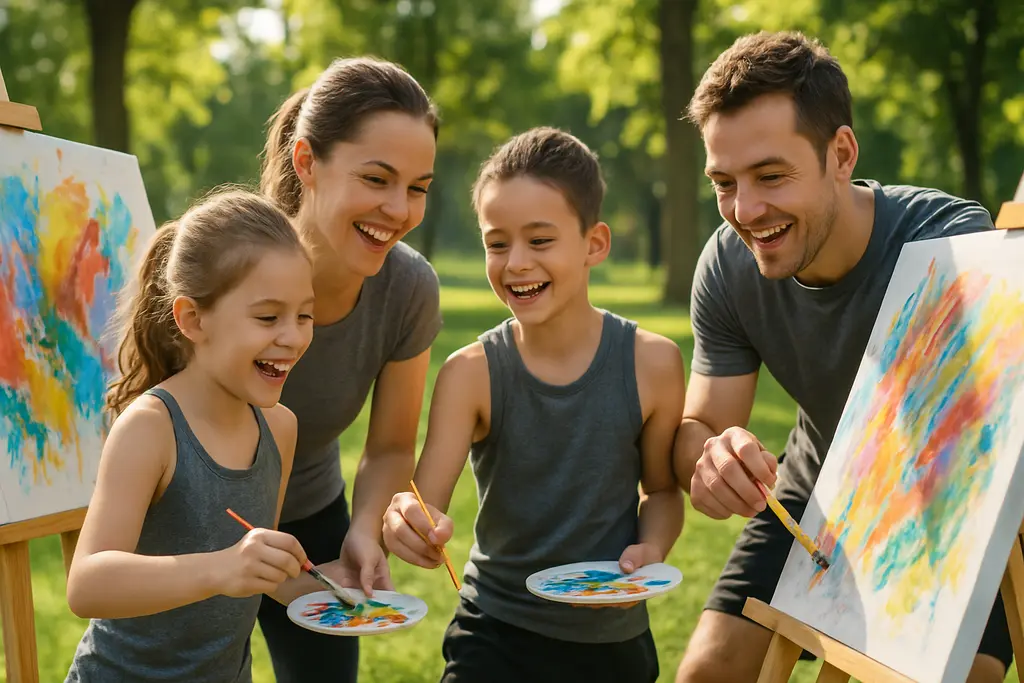
Family Art Fitness can help families approach Nonsites Revisited with movement, close looking, and respect for the art’s environmental context. The solo exhibition by New York–based artist James Perkins is his second solo show with Hannah Traore Gallery, and the gallery describes works shaped through sites such as Fire Island, the Gulf of Mexico, the Sonoran Desert, the middle of the Atlantic Ocean, and storm-fallen pine wood from the Hudson Valley Hannah Traore Gallery exhibition page. As of October 9, 2026, the exhibition was ongoing at Hannah Traore Gallery, 150 Orchard Street, New York, NY 10002, with listed hours of Tuesday through Saturday, 11:00 a.m. to 6:00 p.m.
For families, the useful starting point is not to imitate Perkins’s works or treat the gallery as a gym. It is to understand how the exhibition connects bodies, materials, time, and weather. From a home workout and family wellness perspective, that can support gentle walking, balance, breathing, observation, and making activities that are low-pressure and adult-led. The emphasis should stay on attention rather than performance.
Family Art Fitness And Perkins’s Process
Why Family Art Fitness Fits The Exhibition
Perkins’s process gives families a clear structure for slow, sensory engagement. The gallery describes his use of post-totem structures: wooden frames stretched with silk, then placed in outdoor settings where sun, salt, wind, sand, soil, water, and plants act on the material over time. After exposure, the silk is removed and re-stretched in the gallery, preserving marks made through contact with environmental forces.
Family Art Fitness does not mean converting the exhibition into a workout routine. A more respectful approach is to let the process guide small physical actions: standing still long enough to notice light, walking slowly between works, comparing textures with the eyes, and using breath to help children pause before speaking. These are modest forms of movement, but they are meaningful because they train attention, posture, and spatial awareness.
Materials, Weather, And The Body
The exhibition’s technique also helps children understand that materials change. Silk exposed to salt, wind, sand, water, and light carries evidence of contact. Families can translate that idea into safe activity by asking: What would wind do to a light fabric? How does walking on sand feel different from walking on pavement? What happens to balance when a surface changes? These questions link art observation with body awareness without making unsupported claims about health outcomes.
Perkins’s works connected to the 2022 Atlantic Passage during the Route du Rhum add a useful factual anchor. The gallery identifies I’m Tied in Knots Over This and Life Line as works that emerged from the 3,542-nautical-mile solo transatlantic race from Saint-Malo, France, to Pointe-à-Pitre, Guadeloupe. The silks were exposed aboard the sailboat for about 13 days in open Atlantic conditions. Families can use that detail to discuss endurance, weather, and time, while avoiding any need to simulate risk.
Movement Activities Rooted In Nonsites Revisited
Family Art Fitness At Home Or Outdoors
A practical Family Art Fitness activity can begin with a slow neighborhood walk. Children and adults can look for fallen leaves, small stones, bark pieces, shadows, puddles, or wind patterns without removing anything from protected or private spaces. The purpose is not collection for its own sake. It is to notice how place affects movement: stepping over roots, slowing on gravel, balancing on a curb, or pausing where sunlight changes.
At home, a caregiver might stretch an old scarf, scrap cloth, or lightweight fabric between chairs indoors, then invite children to observe how air from an open window or fan moves it. This should be clearly framed as an educational activity inspired by process, not as a copy of Perkins’s art. Families can sketch what they see, describe the motion, or try gentle arm movements that follow the cloth’s rhythm.
- Wind Walk: Spend 10 minutes outdoors noticing wind direction, then move arms slowly in the same direction.
- Texture Balance: Step carefully between safe surfaces such as a rug, mat, and floor while describing texture changes.
- Light Pause: Stand or sit under changing natural light and take five slow breaths before drawing one observed shadow.
- Carry And Place: Move lightweight natural objects such as fallen leaves or small twigs from one basket to another, focusing on posture and care.
These activities are gentle, but caregivers should still adapt them for age, mobility, weather, and space. No child needs to complete every task. Rest, hydration, and comfort matter more than intensity.
Safe Family Practice Inside And Outside The Gallery
Respectful Gallery Movement
Inside Hannah Traore Gallery, movement should remain quiet, controlled, and respectful. Families should not touch artworks, frames, silk, wood, installation materials, walls, or supports unless gallery staff clearly permit an interactive component. Children can still engage physically by changing viewing distance, crouching briefly if safe, comparing body height to the scale of a work, or tracing a shape in the air at a distance.
Family Art Fitness inside a gallery is best treated as a set of micro-movements. A parent might ask a child to stand far away, then take three slow steps closer and describe what changed. Another option is a stillness challenge: stand with feet planted for 20 seconds and notice one mark, one edge, and one shadow. These short pauses can help families avoid rushing while keeping the focus on the art.
Outdoor Adaptations With Care
Outdoors, Perkins’s environmental method can inspire families to observe weather without placing materials where they could create litter or harm plants and animals. If families experiment with cloth, they should use secure spaces and retrieve all materials. The research notes that sustainability is part of the exhibition’s material thinking, with the environment treated as an active collaborator rather than a passive backdrop. Family activities should honor that idea by leaving spaces clean and undisturbed.
For related activity planning, Shimply’s piece on family art fitness from local craft offers a compatible model: light movement, making, and community trust can work together when adults set clear boundaries. Readers exploring similar themes can visit robsonic.org for additional insights and related content in the same network.
Creator-Commerce Lessons From Environmental Mark-Making
Authenticity Without Overclaiming
Nonsites Revisited also offers a useful lesson for handmade sellers, workshop leaders, and family-program organizers. The exhibition’s power comes from clearly described process: where materials traveled, what forces acted on them, and how those traces were preserved. Creator-commerce educators can learn from that clarity without copying the artist’s visual language or claiming a direct relationship to the work.
A family workshop inspired by environmental mark-making should be labeled carefully. It can say that participants will explore weather, movement, cloth, and observation after learning about an exhibition process. It should not suggest that children are making Perkins-style works for sale, nor should it use the artist’s name as a marketing shortcut. Respecting artistic context helps maintain trust with families and with the art community.
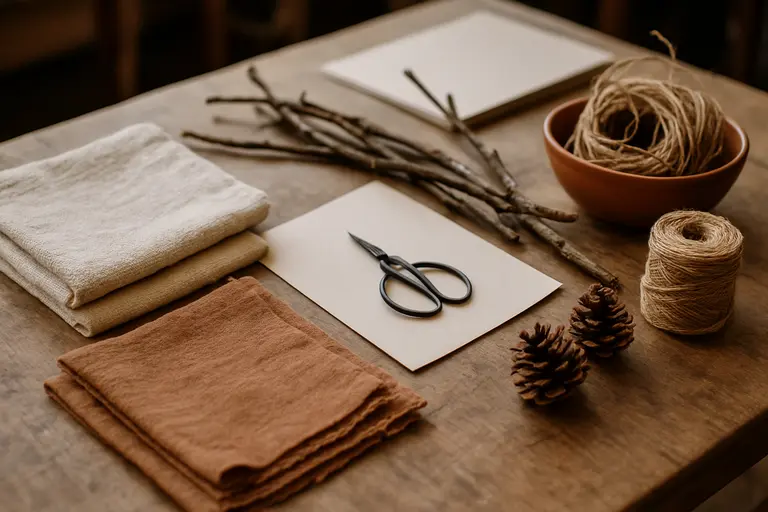
This matters because family programming often mixes education, craft, and commerce. If a seller offers kits, the materials should be described plainly: cotton cloth, string, paper, leaves collected from one’s own yard, or washable pigment if used. Claims about sustainability, wellness, or educational outcomes should remain specific and evidence-conscious. A kit can support observation and light movement; it should not promise fitness gains or developmental results.
Nonsites Revisited Family Engagement Activities
A Cautious Plan For Families
A balanced family plan begins before entering the gallery or starting an outdoor activity. Adults can introduce three ideas: Perkins works with silk and wooden structures; environmental forces help shape the marks; the gallery presentation preserves traces of that contact. Those points give children a factual frame without overwhelming them.
During the visit or home session, families can use a three-part rhythm: look, move, make. First, look closely at one artwork or one natural condition such as wind or light. Second, move in a controlled way that reflects that observation, such as slow arm waves for wind or a careful balance pose for shifting ground. Third, make a simple record through drawing, a written word list, or a small arrangement of found materials that will be returned or responsibly discarded.
Family Art Fitness works best here when it remains humble. The exhibition is not a prompt to conquer nature or treat art as exercise equipment. It is a chance to show children that bodies, places, and materials all register time. That lesson can stay with a family long after a gallery visit or a short walk has ended.