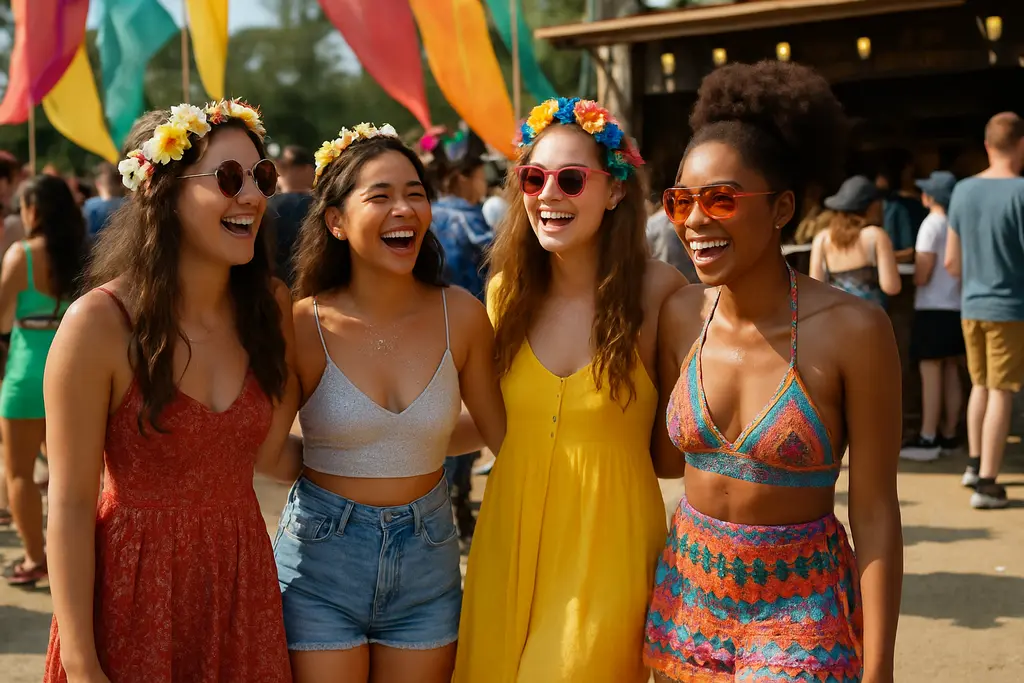
Festival fashion expression at Hard Summer 2026 was not only a matter of sparkle, neon, or heat-ready clothing. On August 1-2, 2026, at Hollywood Park in Inglewood, clothing worked as a visible language for regional identity, cultural memory, comfort, and social belonging. The strongest lesson for makers and small sellers is a cautious one: festival style should not be read as a single trend to copy. It should be read as a set of signals shaped by place, weather, music culture, and the people wearing the garments.
The event had already concluded by the time of this analysis, so the useful question is not what attendees should wear there. The useful question is what their choices revealed. Reporting from the festival noted bright Latin American soccer jerseys, national flags such as Mexico and El Salvador, piñatas, and imagery including Goku from “Dragon Ball Z” as visible parts of attendee dress and self-presentation, according to a Los Angeles Times report. Those observations suggest that clothing at a Southern California festival can carry layered meanings: pride, humor, fandom, family reference, neighborhood identity, and participation in a shared rave setting.
Festival Fashion Expression At Hard Summer
Festival Fashion Expression As Identity Work
At Hard Summer 2026, cultural visibility appeared through items that were already meaningful outside the festival grounds. A soccer jersey is not just a breathable top. In this setting, it could point toward national affiliation, club loyalty, family influence, or a local Los Angeles context where Latin American identity has a major public presence. A flag worn or carried at a festival can serve a similar purpose, though its meaning depends on who uses it and how it is received by the surrounding community.
This is why festival fashion expression deserves careful interpretation. A seller looking at the event should resist flattening these choices into a generic “Latino-inspired” product idea. That phrasing can strip personal and cultural context from objects that attendees used with intent. For handmade and small-batch sellers, the more ethical path is to ask what kinds of materials, customization options, and storytelling frameworks allow wearers to express their own identity rather than borrow someone else’s.
Color, Symbol, And Community Recognition
The reported use of bright jerseys, flags, and culturally significant accessories also shows how festival clothing can support recognition within a crowd. In a dense event setting, clothing becomes a social marker. It can help friends find one another, invite conversation, or signal shared references. That does not mean every visual cue is universally understood. A piñata accessory, a national color palette, or an anime reference may carry different meanings depending on the wearer, the viewer, and the surrounding group.
For creators, this points to a practical design lesson. Products that allow personalization may be more respectful than products that prescribe identity. Blank jersey-style silhouettes, handmade beadwork in buyer-selected colors, breathable scarf options, or customizable bag charms can give festivalgoers room to represent themselves. The craft value lies not in copying observed symbols, but in building durable, comfortable pieces that leave authorship with the wearer.
Southern California Style As Practical Culture
Heat, Movement, And Ground Conditions
Regional dress is shaped by climate as much as by taste. For Hard Summer 2026, outfit guidance emphasized rave wear, streetwear, EDM festival wear, neon, breathable fabrics, minimal coverage suited to Los Angeles heat, and pieces that could handle arena grounds and long hours, as described by the HARD Summer outfit guide. That type of guidance is useful because it shows that style and performance were intertwined.
Southern California festivalwear often has to meet several needs at once: sun exposure during daylight, cooler air at night, extended walking, dancing, waiting, and carrying essentials without heavy baggage. That context helps explain why sunglasses, boots or sneakers, crop tops, sleeveless tops, shorts, cargos, and compact bags fit the event setting. None of these items are expressive only because of appearance. They become expressive because the wearer uses them to manage heat, movement, and identity at the same time.
Why Comfort Does Not Reduce Meaning
There is a common mistake in fashion commentary: treating comfort as the opposite of expression. Hard Summer 2026 suggests the opposite. Practical choices can carry social meaning. Chunky boots may be selected for ground conditions, but they also connect to rave and streetwear codes. A clear or small bag may satisfy venue practicality while becoming part of the outfit’s visual rhythm. Shorts and sleeveless tops may be heat-ready, but their cut, fabric, and color still communicate taste.
For regional retail pages, this matters. A “Shop by Region” approach should not only sort products by geography. It should explain why certain forms work in a place. In Los Angeles August festival settings, breathable layers, secure footwear, compact storage, and sun-aware accessories are not secondary details. They are part of festival fashion expression because they shape what people can do in the clothing.
Creator Commerce Lessons From Regional Dress
Trust Signals For Handmade Sellers
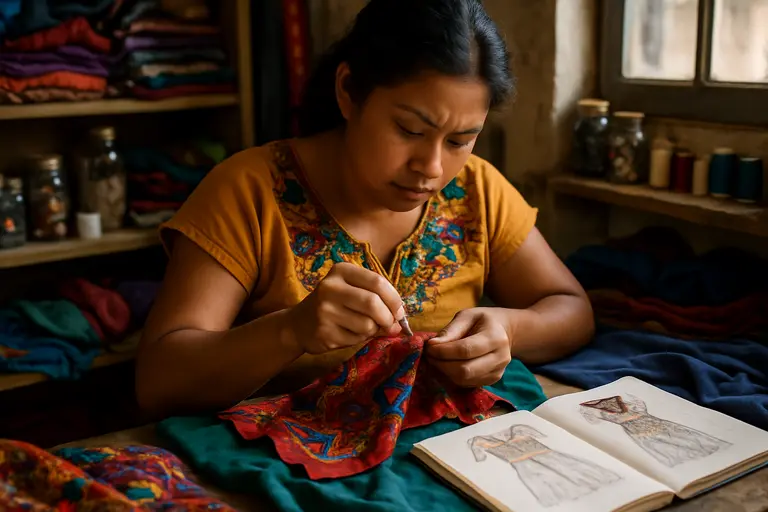
Small sellers can learn from Hard Summer without treating attendees as a mood board to mine. The most useful lesson is trust. Festivalgoers need pieces that hold up through sweat, dust, dancing, transit, and long hours. Handmade sellers should state what materials are used, whether the item is washable, how closures are reinforced, how heavy the piece is, and whether it is suited for outdoor heat. These details are not dull product copy. They are the bridge between visual promise and lived use.
- Use material notes that explain breathability, stretch, weight, and care.
- Show scale clearly, especially for bags, belts, jewelry, and headwear.
- Clarify whether embellishments are stitched, glued, tied, or removable.
- Offer color customization without assigning cultural meaning to buyers.
- Be cautious with flags, national symbols, fandom imagery, and living cultural references.
Festival fashion expression also intersects with rights and permissions. The research notes reported anime imagery at the event, but that does not make such imagery available for commercial copying. Sellers should avoid using protected characters, artist likenesses, or brand marks unless they have appropriate authorization. This is not legal advice; it is a risk-aware practice for creators who want customer trust and long-term credibility.
Regional Merchandising Without Cultural Shortcuts
A regional category can be useful if it is built around real conditions rather than stereotypes. For Southern California, that may mean sun protection, breathable fabrics, pieces that layer lightly, durable shoes, compact bags, and bright styling that suits open-air music settings. It should not mean reducing Latino cultural presence to decorative motifs for any seller to reproduce. The distinction is central to respectful commerce.
There is also room for dialogue across costume culture, fantasy styling, and handmade fashion, especially where wearers combine rave codes with personal references. Readers interested in further exploring the crossover between costume and fashion in festivals can visit Fairy Tale Fashion to find useful insights within the arts network. Still, commercial interpretation should be careful: inspiration should lead to original construction, material literacy, and wearer-led meaning, not extraction of symbols from communities.
Expression In Hard Summer Festival Fashion
What The 2026 Event Shows In Retrospect
Hard Summer 2026 showed that festival clothing can act as a public archive of place. The event took place in Inglewood, within a region where music, migration, sport, streetwear, rave culture, and online image-making overlap. The clothing described in post-event reporting points to an audience using dress to mark identity and belonging. That does not prove one national pattern for all U.S. festivals. It does show why local context matters.
For handmade sellers, the strongest product strategy is not to chase a single festival look. It is to build pieces that serve the wearer’s own expression: sturdy accessories, breathable garments, repairable embellishments, clear care instructions, and customization that respects cultural authorship. A seller who explains these choices builds confidence before purchase and reduces disappointment after the event.
Festival fashion expression should therefore be treated as a relationship between person, place, and object. At Hard Summer 2026, jerseys, flags, neon pieces, practical shoes, compact bags, and heat-conscious clothing all contributed to that relationship. The cultural signals were visible, but they were not empty styling devices. They were connected to communities, bodies in motion, and a specific Los Angeles festival setting. That is the standard creators should keep in view: expression is strongest when the wearer remains the author of the meaning.