
For many people starting a fitness journey, the instinct is simple: more workouts must mean better results. While consistency and effort are essential, the body does not actually improve during exercise itself. Instead, improvement happens after the workout, during the recovery process.
Active recovery—intentional low-intensity movement performed on rest days—helps the body repair muscle tissue, regulate fatigue, and maintain long-term performance. Understanding how recovery works can help fitness beginners train smarter while avoiding burnout and injury.
What Happens To The Body During Recovery
Exercise places stress on the muscles, joints, and cardiovascular system. During strength or cardio workouts, small microscopic tears occur in muscle fibers. This process is completely normal and is part of how muscles become stronger.
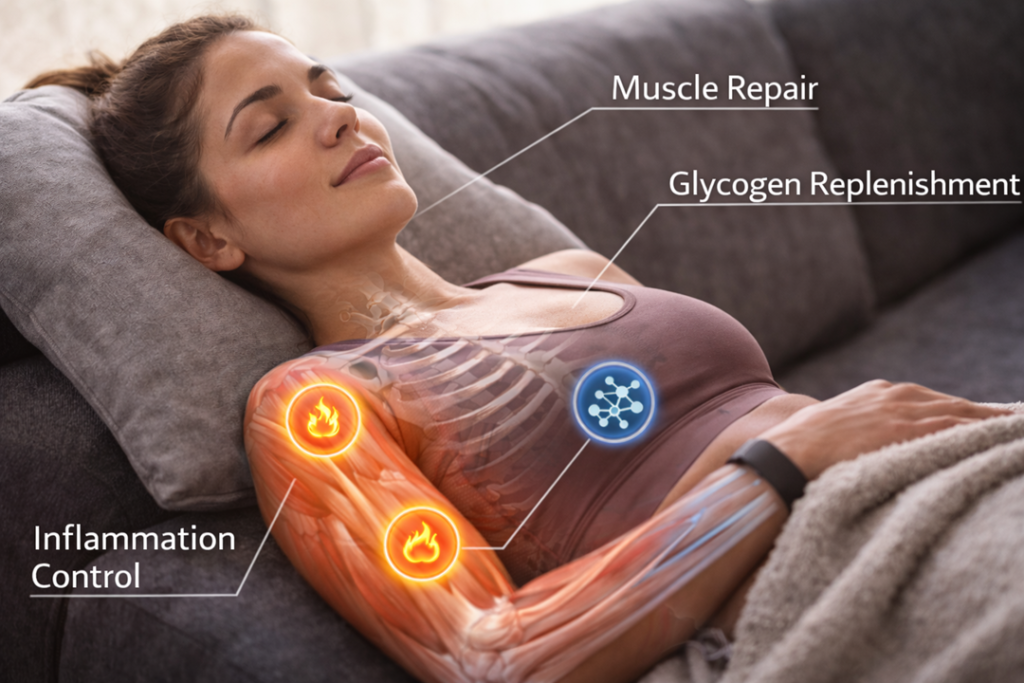
During recovery, the body repairs those fibers and rebuilds them stronger than before. Without proper recovery time, the body cannot fully complete this process, which can slow progress and increase injury risk.
The recovery process supports several physiological functions:
| Recovery Function | What Happens In The Body | Why It Matters |
|---|---|---|
| Muscle repair | Muscle fibers rebuild after training | Strength increases |
| Glycogen replenishment | Energy stores are restored | Sustained workout performance |
| Nervous system recovery | Stress hormones decrease | Improved coordination and focus |
| Inflammation control | Micro-damage is repaired | Reduced injury risk |
These internal processes demonstrate why recovery is not inactivity—it is a critical stage of physical improvement.
Active Recovery Vs Complete Rest
Rest days do not always require complete inactivity. While full rest is sometimes necessary, active recovery encourages light movement that promotes circulation without placing significant strain on the body.
Examples of active recovery include walking, gentle stretching, mobility work, or low-intensity cycling. These activities increase blood flow, which helps transport oxygen and nutrients to recovering muscles.
For many individuals following no-gym cardio workouts at home, incorporating light movement on off-days can help maintain consistency while still allowing the body to recover.
Why Active Recovery Improves Long-Term Fitness Results
One of the biggest benefits of active recovery is that it supports sustainable training routines. Many beginners stop exercising not because workouts are ineffective, but because fatigue accumulates faster than recovery allows.
Active recovery helps reduce soreness, improve mobility, and maintain motivation between workouts. When the body feels better between sessions, people are more likely to continue exercising consistently.
Over time, consistent moderate training combined with proper recovery leads to better outcomes than excessive training with insufficient rest.
Signs Your Body Needs More Recovery
Ignoring recovery signals can slow progress and increase the likelihood of injury. While occasional soreness is normal, persistent fatigue may indicate insufficient recovery.
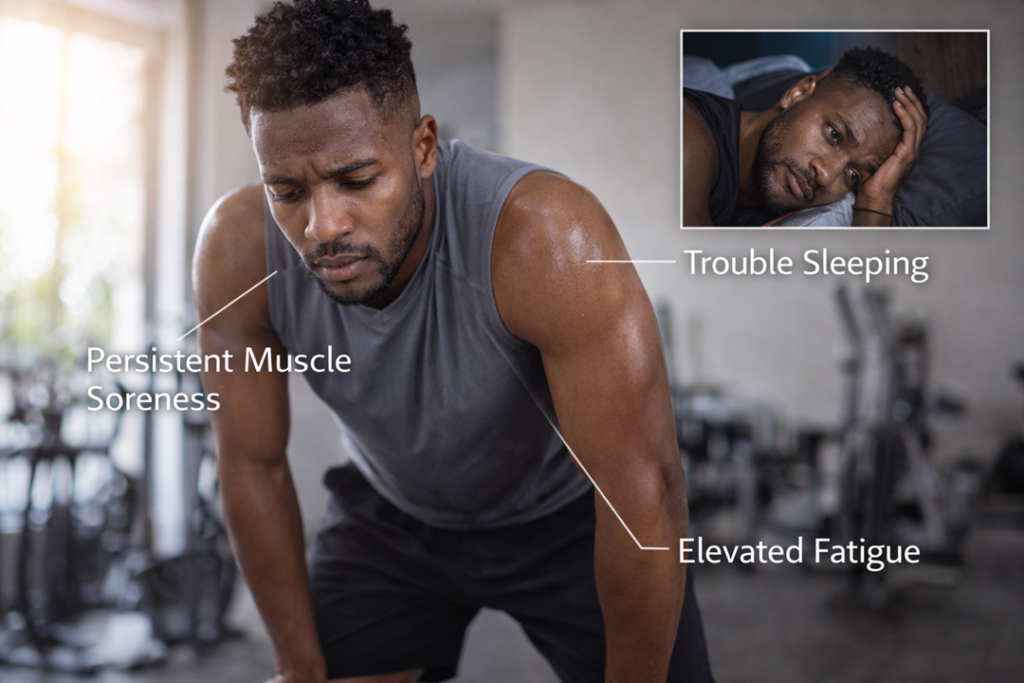
Some common signs that the body may need more rest include:
- Persistent muscle soreness lasting several days
- Decreasing workout performance
- Trouble sleeping after intense training
- Elevated fatigue or lack of motivation
Recognizing these signals early allows individuals to adjust their routine before small problems become larger setbacks.
How To Structure Effective Recovery Days
Recovery days do not require complex planning. In fact, the most effective strategies are often simple and easy to maintain.
A well-balanced weekly routine might alternate between more intense workouts and lower-intensity movement days. The goal is to maintain activity while allowing the body to restore energy and repair muscle tissue.
| Day | Example Activity |
|---|---|
| Monday | Strength training |
| Tuesday | Light walking or mobility work |
| Wednesday | Cardio workout |
| Thursday | Active recovery stretching |
| Friday | Strength training |
| Saturday | Low-intensity outdoor activity |
| Sunday | Full rest or gentle mobility |
This balanced approach keeps the body moving while preventing excessive fatigue.
The Role Of Sleep And Nutrition In Recovery
Exercise recovery is influenced not only by rest days but also by sleep quality and proper nutrition. During sleep, the body releases hormones that support muscle repair and tissue regeneration.
Nutrition also plays a critical role. Protein supports muscle rebuilding, carbohydrates restore energy stores, and hydration helps maintain circulation and joint health.
According to the American Council on Exercise recovery guidelines, combining adequate rest with balanced nutrition significantly improves long-term performance and injury prevention.
Why Smarter Training Leads To Better Results
Many people believe that constant intense training leads to the fastest progress. In reality, the most effective fitness routines combine strategic effort with proper recovery.
Active recovery days help the body repair, adapt, and prepare for the next training session. When recovery is integrated into a routine, workouts feel more productive and sustainable.
Ultimately, improving fitness is not about pushing the body harder every day—it’s about allowing the body the time it needs to grow stronger.