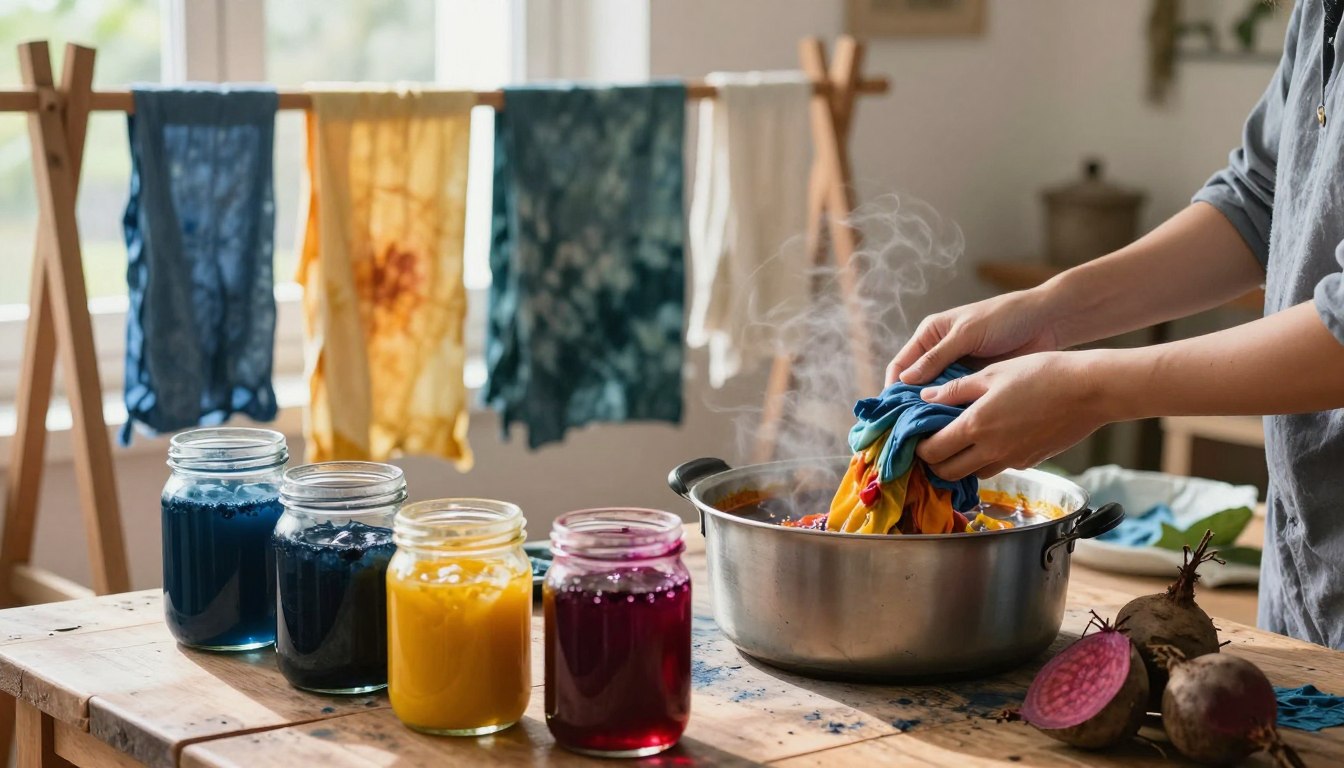
A quiet revolution is coloring the world of textiles. More people are questioning the contents of their clothing and home fabrics. They seek gentler alternatives to harsh synthetic dyes.
These alternatives come from plants like henna and indigo. They offer a compelling choice. They enhance natural hair and fabric tones, adding a healthy shine. Plus, they are kinder to sensitive skin.
The choice between these color families isn’t just about hue. It involves health and environmental considerations. Petrochemical-based alternatives often have a heavier footprint.
This growing demand for transparency is key. Verifying the authenticity of plant-based colorants is essential. It’s about moving beyond marketing claims into actionable knowledge for professionals and conscious consumers.
Understanding this shift is the first step toward safer, more sustainable dyeing practices. It empowers you to make informed decisions for your well-being and the planet.
Intro: Health, environment, and value considerations
Understanding natural dyes means looking at the risks of chemical coloring agents. Choosing between synthetic and plant dyes affects health and the environment. It’s not just about color or cost.
Commercial textile dyes often contain harmful substances. Azo dyes can turn into cancer-causing amines. Heavy metals like antimony, arsenic, and lead are used too. They can cause skin problems and long-term health issues.
Quinoline dyes are also linked to health problems. For example, airline staff had skin issues from their uniforms. This shows how dyes can affect our health.
Plant-based dyes are safer. They avoid toxic compounds when used right. Modern reactive dyes are also safer. But plant-based dyes are made from nature.
The environmental benefits of plant dyes are huge. Making petrochemical dyes uses a lot of resources and pollutes. It also harms water with toxic waste.
Choosing plant dyes is better for the planet. The materials are renewable. Traditional dyeing methods are gentler on the environment. This reduces pollution.
Health and environmental benefits mean real value. Non-toxic textiles are safer, great for kids or sensitive skin. Businesses benefit too. They save money and meet customer demands for green products.
Naturally dyed textiles last longer and look better over time. They don’t need to be replaced as often. This makes them a smart investment.
Knowing about natural dyes helps you make better choices. You can choose quality without harming the planet. Choosing plant dyes is good for health, the environment, and your wallet.
Common natural dyes: indigo, madder, pomegranate, myrobalan; what colors they yield
Natural dyes like indigo and madder root create a range of colors. These plant dyes have been used for centuries. They connect us to traditional crafts and are better for the environment. Knowing what each dye produces is key to using them well.

| Dye | Primary Source | Color Yield |
|---|---|---|
| Indigo | Leaves of the Indigofera plant | Dark blues, navy, and, when over-dyed, browns and black. |
| Madder Root | Root of the Rubia tinctorum plant | Rich reds, brick reds, oranges, and pinks depending on the mordant used. |
| Pomegranate Peel | Rind of the pomegranate fruit | Warm yellows, golds, olive greens, and khaki tones. |
| Myrobalan | Fruit of the Terminalia chebula tree | Pale yellows, beiges, and is prized as a tannin-rich mordant to brighten other colors. |
Other notable plant dyes include henna for red-orange hues, chamomile for blond highlights, and annatto for coppery tones. Each dye bonds with fiber differently. This affects the final shade and its durability.
A key concept with indigo is indigo fastness. This term refers to the exceptional color retention and resistance to fading that quality indigo dyeing provides. Unlike some dyes that sit on the fiber’s surface, indigo forms a strong molecular bond within the fiber itself.
This unique bonding is why denim and traditional shibori textiles last for decades. Understanding indigo fastness helps you appreciate why it’s valued for workwear and heirloom pieces. It’s a benchmark for longevity in natural dyeing.
Madder root offers a different kind of beauty. Its reds can range from soft coral to deep rust. The color outcome depends heavily on the mineral mordant used in the process. Alum will produce a clearer red, while iron will shift it toward deeper burgundy.
Pomegranate peel is a wonderful example of using a common byproduct. It yields surprisingly complex and earthy colors. Myrobalan is often the unsung hero. It prepares fibers to absorb color more deeply, making other dyes appear more vivid.
While these plant dyes are beautiful, they present challenges. Sourcing consistent, high-quality materials can be difficult. Scaling production while maintaining color consistency is a known hurdle for the industry. This is part of what makes naturally dyed textiles special and sometimes more costly.
Mastering these dyes starts with recognizing their unique qualities. Knowing that indigo’s blue has legendary indigo fastness, or that madder gives a historic red, empowers your choices. It connects you to a palette shaped by nature itself.
Safe Clues at Home: Your DIY Natural Dye Detective Kit
Figuring out if a dye is natural isn’t just about the color. It’s about feeling, seeing, and testing with water. You can be your own textile detective with simple, safe tests at home.
These tests check how the color acts, not just how it looks. Natural dyes react with fabric in unique ways. This creates signs you can learn to spot.
The Scent and Handfeel Check
First, use your senses. Hold the fabric close and sniff it gently. Fabrics dyed with plants or minerals usually smell earthy or have no strong smell.
They won’t have that sharp, chemical smell of synthetic dyes. Then, rub a small part between your fingers. Natural dyes often make fabric feel softer. They cover the fiber gently, not changing its core.
This makes the fabric feel softer. If it feels stiff or plastic, it might be a sign of trouble.
The Backside Inspection
Flip the garment or fabric inside out. Look closely at the dyed area’s underside, seams, and hems.
Good natural dyes show even color on both sides. The back might be a bit lighter. This is because the dye coats the fiber.
Uneven color, white threads in seams, or a much lighter backside mean the dye didn’t bind well. This could be a sign of a rushed job or bad dye.
The Gentle Soak Test: Your Color Bleed Test
This test is key for natural dyes. It shows if the dye bleeds too much. Fill a small bowl with cool, clean water.
Put a white cloth or paper towel under it for contrast. Soak a small swatch or edge of the fabric for 15-20 minutes.
- Normal for Natural Dyes: The water might slightly tint. This is usually just dust or a little initial release. It doesn’t mean the dye is bad.
- Red Flag: If the water quickly turns deep color, like tea, it means the dye didn’t bind well. It’s not fixed to the fiber.
A good color bleed test shows the dye is bound to the fiber. This means it’s colorfast.
Observing Sun-Fade Behavior
Natural dyes react differently to sunlight. Place a small fabric sample in sunlight for a week. Cover part with cardboard for a control.
Watch how it changes. Plant-based colors fade evenly and gracefully, like a vintage tapestry. They might soften but rarely change color drastically.
Chemical dyes fade in patches or change color a lot (like blue turning greenish). Natural dyes fade evenly because they break down uniformly across the fiber.
| Clue | Normal Behavior for Natural Dyes | Red Flags for Chemical/Poor Dyes |
|---|---|---|
| Scent & Handfeel | Neutral or earthy scent; fabric feels soft, supple. | Strong chemical odor; fabric feels stiff, harsh, or plasticky. |
| Backside Look | Even color penetration; backside is similar, if slightly lighter. | Patchy color; white threads visible in seams; back is much paler. |
| Gentle Soak Test | Water shows a very slight tint after 15-20 minutes. | Water becomes deeply colored quickly, like tea. |
| Sun-Fade | Fades evenly and gracefully; hue softens but doesn’t shift dramatically. | Fades in uneven patches; color changes to a brassy or different tone. |
Using these clues together gives a complete view. No single test is enough, but a pattern of natural dye behaviors suggests what you’re holding. This hands-on approach turns suspicion into informed understanding.
Certificates & supplier disclosures: azo‑free, GOTS, GI context
The term ‘azo-free’ is often used by suppliers. But what does it mean for your supply chain and product? For business pros, these labels are not just marketing. They are key for managing risks and gaining consumer trust.
Azo dyes are synthetic colors that can break down into harmful substances. The European Union bans 22 specific azo dyes. But the U.S. does not have a similar ban. This means suppliers must be careful. An azo-free claim means the product has no banned dyes. It’s a basic safety promise.
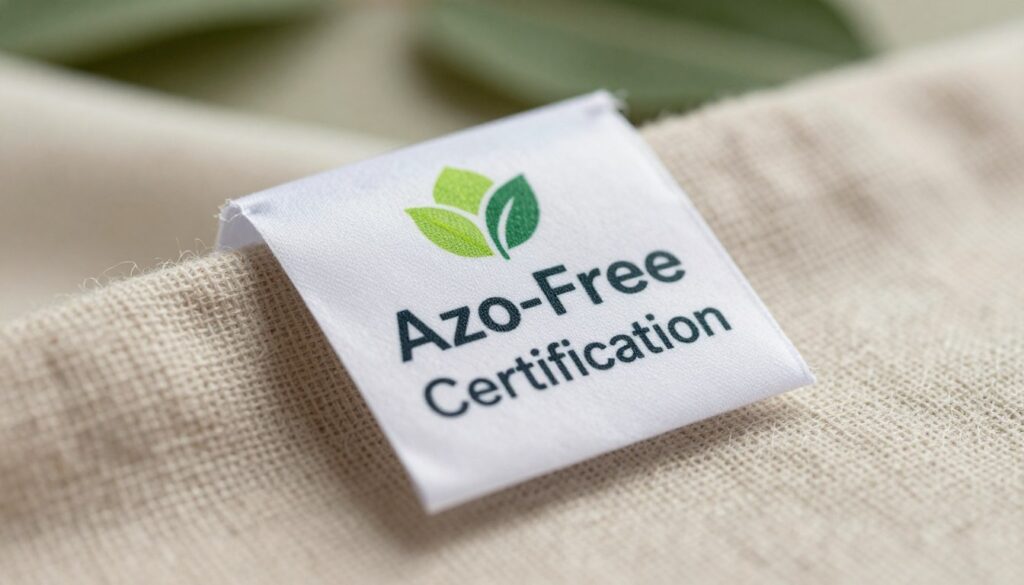
Third-party certifications make complex chemistry easy to understand. They verify a supplier’s claims. Let’s look at the most important standards for dyes and textiles.
| Certification | Scope | Focus on Dyes & Chemistry | Verification Process | Best For Verifying |
|---|---|---|---|---|
| Oeko-Tex Standard 100 | Finished product safety | Tests for harmful substances, including banned azo dyes and heavy metals. | Laboratory testing of product samples against a limit value catalog. | That a specific final textile product is safe for human skin contact. |
| Oeko-Tex Made in Green | Product safety + sustainable production | Includes Standard 100 criteria and adds responsible manufacturing sites. | Product testing plus audit of production sites for environmental and social standards. | A safe product made in environmentally friendly and socially responsible facilities. |
| GOTS (Global Organic Textile Standard) | Organic fibers & full processing | Strict environmental criteria for all processing stages, including dye toxicity and wastewater treatment. | Annual on-site audits of the entire supply chain, from farm to finished product. | Organic fiber content and environmentally & socially responsible processing from start to finish. |
| Geographical Indication (GI) | Origin & traditional knowledge | Protects region-specific natural dyeing methods (e.g., Indian Indigo, Turkish Madder). | Legal certification tied to a geographic region and traditional practices. | The authentic, traditional provenance of a naturally dyed textile. |
Oeko-Tex Standard 100 is a well-known safety standard. It tests for over 100 regulated substances. A product with this label has passed strict lab tests. The Made in Green label adds a traceable ID. You can scan it to see where the product was made.
The Global Organic Textile Standard (GOTS) goes further. It covers the entire production chain. GOTS certification ensures eco-friendly processing. This includes strict limits on toxic dyes and proper chemical management. For brands using natural dyes, GOTS adds significant credibility.
Geographical Indication (GI) is different. It protects traditional knowledge tied to a location. For example, ‘Indian Indigo’ or ‘Japanese Sukumo’ charcoal dye. A GI tag confirms authentic, regional production methods. It supports artisans and guarantees cultural heritage in the dye process.
How should you use this information? First, ask suppliers for specific certificates. Do not accept vague promises of being “eco-friendly” or “non-toxic.” Reputable brands disclose their production methods and certification details openly.
Second, match the certification to your need. Need proof of product safety? Look for Oeko-Tex Standard 100. Want full supply chain integrity for organic claims? GOTS is key. Sourcing traditional artisan dyes? Investigate GI status.
Third, turn this jargon into a trust-building tool. Communicate these certifications clearly to your customers. Explain what azo-free and GOTS mean for their safety and the environment. This transparency transforms complex standards into a competitive advantage.
In summary, certificates and disclosures are your objective evidence. They move your sourcing from guesswork to informed, professional decision-making. They protect your brand and empower your marketing with verified, credible claims.
Price/lead time realities vs “too cheap” risk
A low price on dyed textiles should make you think twice. The cost of dyeing shows the quality of materials and the ethics of production. For those in business, understanding this is key.
The cost of natural dyes comes from three main things. Sourcing means getting plant, mineral, or insect materials from certain places. Extraction is hard work to get the colorant. And application needs skilled people and time to make colors last.
Natural dyes are more expensive and harder to make in big amounts. Chemical dyes, on the other hand, use synthetic materials and fast processes.
Lead times also show a difference. Natural dye fabric takes weeks to make. Chemical dyes can be ready in days. Here’s a comparison:
| Factor | Natural Dyes | Petrochemical Dyes |
|---|---|---|
| Raw Material Cost | High (seasonal, geographic) | Low (synthetic, consistent) |
| Production Scalability | Low (manual processes) | High (full automation) |
| Typical Lead Time | Weeks | Days |
| Cost Driver | Labor & Sourcing | Chemistry & Scale |
Low prices can mean something is wrong. Cheap clothes often use harmful dyes. This is a big problem.
Low prices might mean using banned azo dyes or heavy metals. These toxic dyes are bad for health and the environment. They go against what a responsible brand stands for.
For leaders, this is a key lesson. Spending on quality natural dyes is worth it. It keeps your product safe, your brand strong, and your supply chain clear.
Looking at price and lead time in a new way is important. They show if a supplier is ethical. Your choices affect the safety and greenness of your product.
Care routines for longevity: first wash, shade drying, storage
Keeping your naturally colored textiles looking great depends on three key steps: washing, drying, and storing. These steps are not just about cleaning. They help keep your fabric’s beauty and value over time. A good care routine lets natural dyes grow more beautiful with age.
Natural dyes bond differently with fibers than synthetic ones. This means they need special care to stay vibrant. But, when cared for right, they fade evenly, gaining a unique patina.
The first wash is critical for your fabric’s life. It stabilizes the dye and removes extra pigment. Skipping this step can cause colors to fade or become uneven.
Here’s a simple guide for the best results:
- Use Cold Water: Always start with cold or lukewarm water. Hot water can shock the fibers and cause excessive dye release.
- Gentle Detergent: Use a mild, pH-neutral soap. Avoid harsh detergents, bleach, or fabric softeners.
- Short Soak: Submerge the item and gently agitate it for just a few minutes. Don’t let it soak for hours.
- Expect Some Bleed: Seeing a slight tint in the water is normal. This is the loose pigment washing away. Panic only if the water becomes deeply saturated with color.
After rinsing until the water runs clear, dry your fabric. This initial wash “sets” the dye for future cleaning. For specific fabric guidance, explore our detailed guide on how to care for your linen, which shares many principles with other naturally dyed textiles.
The Science of Shade Drying
Direct sunlight is harmful to natural dyes. UV radiation breaks down dye molecules, causing fading and weakening of fibers. This is known as UV degradation.
Shade drying is the simple, effective solution. By hanging your textile indoors or in a completely shaded, airy outdoor spot, you allow moisture to evaporate without the damaging sun exposure. This practice preserves the depth and nuance of the original color.
Ensure good air circulation around the item. If you must dry outdoors, do so early in the morning or late in the evening, and never during peak sun hours. The extra few hours of patience significantly extend the vibrant life of your fabric.
Best Practices for Storage
How you store your textiles between uses is just as important as how you wash them. The twin threats during storage are moisture and light. Both can cause colors to fade, encourage mildew, and weaken fibers.
Follow these storage rules to keep your pieces in pristine condition:
- Clean Before Storing: Never store a soiled or damp item. Even invisible residues can attract pests or cause discoloration over time.
- Use Breathable Covers: Store in cotton bags or pillowcases. Avoid plastic, which traps moisture and can lead to mildew.
- Choose a Dark, Dry Place: A cool closet or drawer away from direct sunlight and humidity is ideal. Avoid attics, basements, or areas near heat sources.
- Fold Carefully: Avoid sharp, tight creases. For very delicate items, consider rolling them around a acid-free tube instead of folding.
Adopting this holistic care routine—mindful first wash, consistent shade drying, and diligent storage—transforms maintenance from a task into a preservation ritual. It protects the story in the cloth and safeguards your investment, allowing you to enjoy the unique beauty of naturally dyed textiles for many years to come.
Diaspora notes: hard water, color run management, local products to use/avoid
Hard water can harm the colors of natural dyes. But, making a few changes can help keep your colors bright. The minerals in your water, like calcium and magnesium, can dull or fade colors over time.
Organic cotton, wool, and viscose from bamboo are great for natural dyes. Yet, they soak up minerals from hard water. To fight this, a final rinse with a mild acid is a good idea.
White vinegar can help remove mineral buildup and brighten plant-based dyes. For a load, add half a cup of distilled white vinegar to the rinse. It’s a common item found in most grocery stores.
Color runs can happen, even with well-dyed items. But, don’t worry. Quick action is key to managing a color run.
First, rinse the stained area under cool, running water from the back. This pushes the dye out, not deeper. Avoid hot water, as it can set the stain.
Next, make a mild soak with cool water and a bit of pH-neutral, color-safe detergent. Gently move the fabric and soak for 30 minutes before washing in cold water.
Knowing about local products makes natural dye care easier. Your goal is to keep the pH balance slightly acidic to neutral to keep colors bright.
Local Products to Use:
- Distilled White Vinegar: For hard water rinses and to remove odors.
- Pure Solar Salt or Canning Salt: Good for dye-fixing baths without additives.
- pH-Neutral Liquid Detergent: Choose brands for delicate or wool items.
- Citric Acid Powder: A gentle water softener instead of vinegar.
Local Products to Avoid:
- Chlorine Bleach or Oxygen Bleach Cleaners: They remove natural colors completely.
- Heavy-Duty or Alkaline Detergents: High pH can make dyes bleed and fade.
- Fabric Softeners and Dryer Sheets: They trap minerals and dull colors.
- Baking Soda or Washing Soda in Excess: Too alkaline and can weaken dyes.
Your care routine should fit your environment. If you have hard water, a vinegar rinse is key. For color runs, you now have a plan. By using the right local products and avoiding harsh chemicals, your natural dyes can stay vibrant for a long time.
Quick reference checklist
Use this checklist as a practical guide when sourcing or evaluating textiles. It combines the key lessons for identifying natural dyes and ensuring their proper care.
- Authentication Tests: Assess the fabric’s scent and handfeel. Natural dyes often have an earthy or plant-based aroma and a softer, more irregular texture.
- Visual Inspection: Check the backside of the fabric. Uneven color penetration can be a sign of natural dyeing techniques.
- Gentle Soak Test: Some initial color bleed is normal for natural dyes. Excessive bleeding in cold water may indicate poor fixation.
- Sun-Fade Behavior: Observe the fabric in sunlight. Natural dyes typically fade gradually and evenly, unlike harsh chemical colour fading.
- Certification Check: Look for credible supplier disclosures. Trusted labels include GOTS certification and explicit “azo-free” guarantees.
- Price Reality: Be cautious of prices that seem too low. Authentic natural dye processes have higher material and labor costs.
- First Wash Care: Always wash a new textile separately in cold water with a mild, pH-neutral detergent.
- Drying & Storage: Dry colored fabrics in the shade to prevent fading. Store them away from direct sunlight in a cool, dry place.
- Local Adaptation: In areas with hard water, consider adding a water softener or vinegar rinse to manage mineral deposits that can affect color.
Keep this checklist handy. It empowers you to make confident decisions for a more sustainable and authentic textile collection.