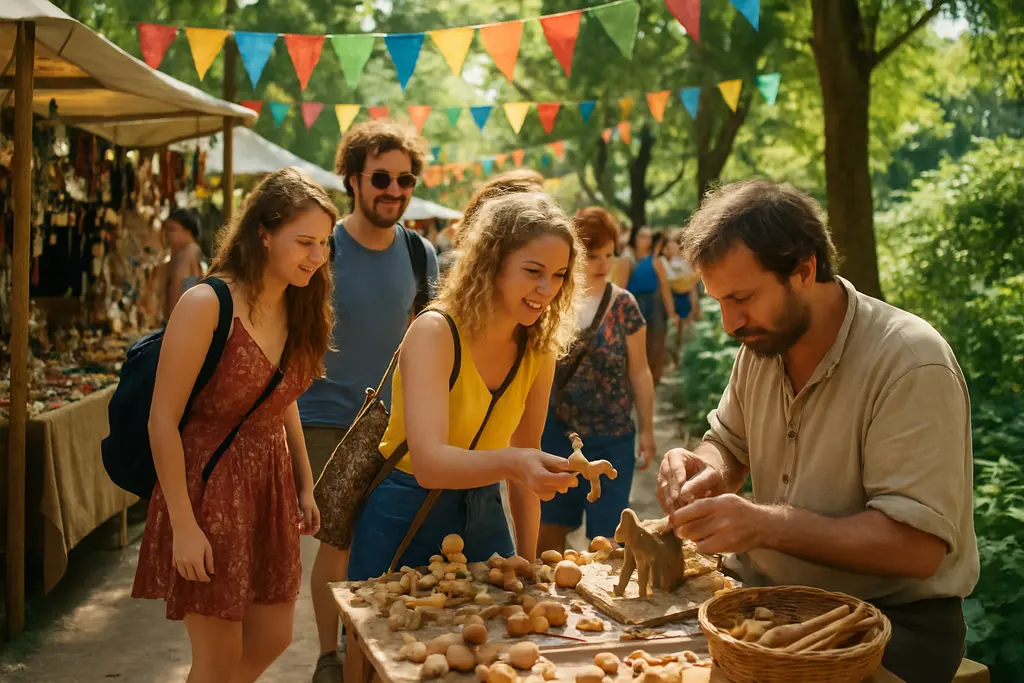
Gloucester Handcrafted Goods received a clear regional stage at the 45th Annual Gloucester Waterfront Festival, held on August 15 and August 16, 2026, at Stage Fort Park in Gloucester, Massachusetts. Because the event had already taken place by August 21, 2026, the most useful reading is retrospective: what the festival showed about juried craft, buyer trust, coastal taste, and the practical conditions that help handmade sellers meet a large public audience.
The festival’s value was not only its setting along Gloucester Harbor. Its structure matters for anyone studying handmade commerce by region. A juried outdoor fair with free admission, more than 175 artisan exhibitors, and a public mix of craft, food, music, and family activities creates a testing ground for trust. Buyers can compare materials, ask makers about process, and weigh claims of handmade origin in person. For sellers, that direct contact can be as important as the sale itself.
Festival Recap For Gloucester Handcrafted Goods
Dates, Place, And Public Access
The 45th Annual Gloucester Waterfront Festival took place on Saturday, August 15, 2026, from 9:00 AM to 6:00 PM, and Sunday, August 16, 2026, from 9:00 AM to 5:00 PM, at Historic Stage Fort Park, 24 Hough Avenue, Gloucester, Massachusetts. Castleberry Fairs listed the event as free to attend, outdoors, rain or shine, with more than 175 juried artisans exhibiting American-made handmade goods including fine art, woodwork, jewelry, leather goods, coastal décor, functional ceramics, fiber arts, glass work, specialty foods, baked goods, and kettle corn; it also noted a city-managed beach parking lot across from the entrance with a fee, plus limited free parking along Stacy Boulevard and at Gloucester High School Castleberry festival details.
Those facts are useful because they frame the event as a regional marketplace rather than a narrow shopping stop. Free admission broadens the audience. Outdoor conditions add weather risk for sellers and buyers. Parking choices affect how easily visitors can carry larger pieces such as woodwork, ceramics, framed art, or home décor. A harbor-side park also shapes what buyers may expect aesthetically, especially around coastal themes.
What The Juried Format Signaled
A juried craft fair does not automatically prove quality, authenticity, or fair pricing. It does, though, establish a stated gatekeeping process. In a market where shoppers often struggle to distinguish handmade work from imported or mass-produced goods, the festival’s handmade requirement gave buyers a starting point for questions: Who made this? What material is this? Is the design original to the maker? How should it be used or cared for?
For Gloucester Handcrafted Goods, that in-person exchange is central. A leather worker can explain hide, stitching, edge finishing, and repair. A ceramic artist can discuss clay body, glaze, food use, and care. A woodworker can identify species, finish, joinery, and safe cleaning. These details are not decorative language. They are evidence buyers use before spending money on handmade objects.
What Shoppers Could Read In The Market
Gloucester Handcrafted Goods Categories
The festival’s listed handmade categories point to a broad craft mix rather than a single medium. Fine art, jewelry, woodwork, leather goods, coastal décor, ceramics, fiber arts, glass work, and specialty foods each ask for a different kind of trust. A shopper buying a print may care about editioning and framing. A buyer choosing jewelry may ask about metal content and wear. Someone considering ceramics may ask whether a piece is decorative or functional.
For buyers, Gloucester Handcrafted Goods can be read through three practical questions. First, is the maker able to explain the object’s materials? Second, does the booth show consistency between story, process, and finished work? Third, are care and use expectations clear? These questions respect the maker while protecting the buyer from vague claims.
Trust Signals At A Booth
The strongest booths at a regional handmade fair often make process visible without turning craft into theater. That can mean sample materials, small process photographs, a care card, clear pricing, and honest language about natural variation. Handmade work does not need to look identical from piece to piece. In fact, variation may be part of the work’s character, but sellers serve buyers best when they explain which variations are expected and which details affect function.
- For functional ceramics, buyers benefit from clear notes on food use, washing, and heat exposure.
- For leather goods, sellers can explain hide type, finish, stitching, conditioning, and expected wear.
- For jewelry, material disclosure helps buyers understand sensitivity, care, and durability.
- For coastal décor and fine art, maker context can separate original work from generic seaside imagery.
This is where local craft markets can support cultural integrity. Coastal motifs should not be treated as automatic proof of regional authenticity. A shell form, harbor scene, rope detail, or marine palette gains meaning when the maker can explain source, technique, and design choices with care.
Artisan Participation And Seller Costs
Booth Fees, Applications, And Rules
For artisans, the Gloucester event carried defined participation costs and requirements. The Eventeny vendor listing stated that a 10-foot by 10-foot booth cost $525, while larger booth options of 15 feet by 10 feet or 20 feet by 10 feet ranged from $700 to $875. It also stated that a non-refundable $100 deposit was required upon acceptance, remaining booth fees were charged 45 days before the event, applications were juried, all products had to be handmade by the exhibitor, mass-produced or imported goods were not allowed, specialty food sellers needed health permits, and the event was described as drawing tens of thousands of visitors over two days Eventeny vendor terms.
Those details matter because seller economics affect what appears in the market. A booth fee is not just an administrative cost. It influences pricing, inventory planning, display choices, staffing, travel, packaging, and how much work a maker must sell to break even. A larger booth may allow a fuller presentation, but it also raises the sales target.
Why Handmade-Only Rules Matter
The handmade-only rule is especially significant for Gloucester Handcrafted Goods. It gives sellers who make their own work a clearer footing against resale goods. It also gives shoppers a framework for accountability. If a festival states that exhibitors must make their own products, a buyer can ask process-based questions without feeling intrusive.
Still, juried status should be treated as a starting point rather than a substitute for buyer judgment. Handmade buyers should look for material disclosure, consistent maker knowledge, clear care guidance, and realistic claims. Sellers, in turn, should avoid overstating durability, sustainability, origin, or cultural meaning unless they can support those claims with specific information.
Community Setting And Regional Craft Context
Festival Features Around The Market
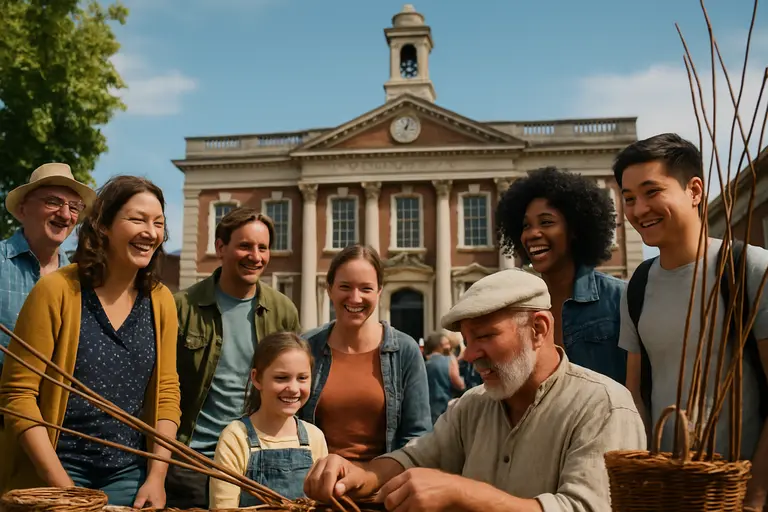
The craft market was part of a broader public event. Listed features included food trucks, live music, a Rotary Club pancake breakfast on Saturday morning, an antique auto display by the North Shore Car Club on Sunday, roaming pirates, and a pet-friendly policy for leashed pets. These features likely shaped visitor flow and dwell time, though the available sources do not provide measured shopper behavior for the 2026 edition.
For handmade sellers, surrounding programming can be helpful, but it can also split attention. A festival audience may include serious collectors, casual families, visitors looking for food, pet owners, and people drawn by the waterfront setting. That mix calls for clear booth communication. If a buyer has only a few minutes, labels, material cards, and concise maker statements can help them understand the work quickly.
Coastal Aesthetics And Craft Identity
Gloucester’s harbor setting naturally invites maritime references, but good craft coverage should avoid reducing the region to a postcard image. Coastal décor, glass, fiber, wood, leather, and jewelry can all carry regional associations without relying on cliché. The more convincing work tends to show decisions in material, form, and function rather than only a surface theme.
This concern connects with wider conversations about costume, fantasy, fashion, and handmade identity. Readers interested in how handmade aesthetics move across clothing, styling, and visual culture may find a related perspective at Fairytale Fashion. The link is useful here because regional craft does not sit apart from fashion and presentation; jewelry, leather goods, fiber accessories, and wearable art often cross between gift markets and personal style.
Shimply has also covered how culture-and-craft gatherings can help buyers discover sellers and build confidence through live interaction, as seen in its analysis of Ramjhol 4.0 and handmade discovery. The Gloucester festival fits that broader pattern, with the caution that each event has its own audience, costs, rules, and regional character.
Gloucester Waterfront Festival Craft Lessons
The 2026 Gloucester Waterfront Festival showed why regional handmade events remain useful for buyer education. Online listings can show images and descriptions, but a live craft fair lets shoppers test the seller’s knowledge in real time. For Gloucester Handcrafted Goods, that means the strongest value often sits in the conversation around the object: material, use, care, origin, process, and the maker’s reason for making it.
The event also showed why authenticity needs structure. A stated juried process, handmade-only rule, and clear vendor requirements help, but they work best when paired with transparent booth practices. Sellers who can explain their work plainly are better positioned to earn trust. Buyers who ask respectful, specific questions are better positioned to recognize meaningful handmade work.
For future regional craft coverage, the Gloucester example offers a grounded standard. Do not judge a festival only by scenery or crowd size. Look at who is allowed to sell, what makers are required to disclose, how buyers encounter process, and whether the market protects handmade work from generic resale. That is the lasting lesson of Gloucester Handcrafted Goods at the 2026 waterfront fair.