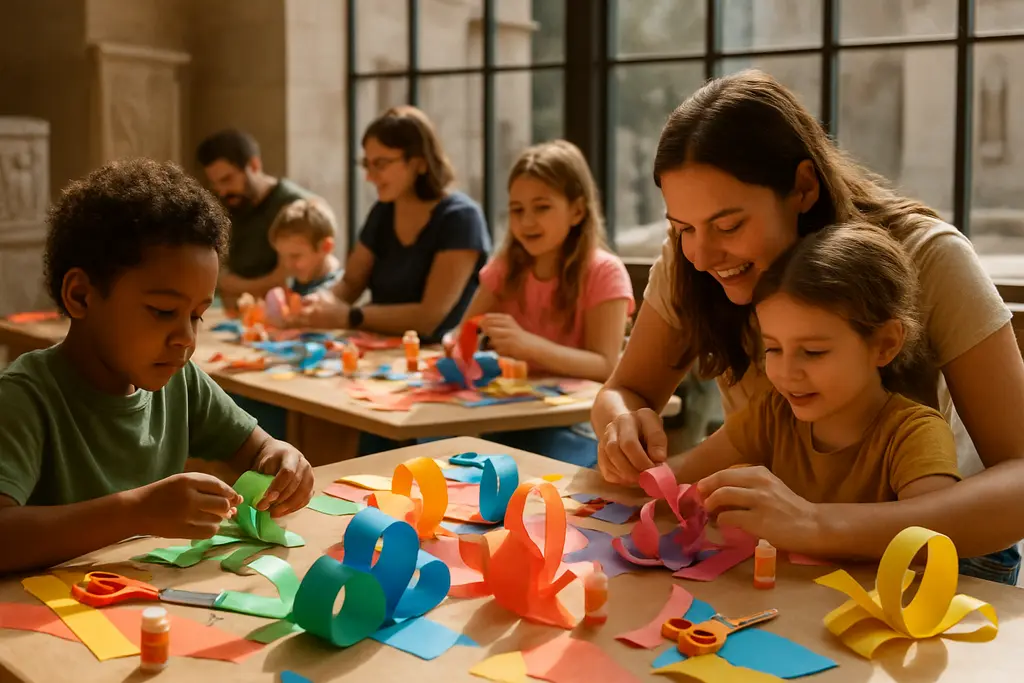
Family creativity can look modest from the outside: a child cutting paper, a parent holding materials steady, siblings negotiating color, or a caregiver helping translate an exhibition idea into a small object. The New Museum’s Fall 2026 public programs give that kind of shared making a formal setting, with dated family programs, teen drop-ins, and Saturday studio opportunities named in the museum’s September 22, 2026 announcement. As of October 13, 2026, the key dates still ahead are Family Day on Sunday, November 1, 2026, and Sunday, December 6, 2026, both listed for 11 am–3 pm in the Sky Rooms North and South for families with children ages 4–12, with free admission for those families New Museum programs.
For a Family Fitness lens, the value is not that craft becomes exercise in a narrow sense. The better claim is more careful: collaborative art-making asks families to move, look, talk, handle tools, shift attention, and share space. That is light embodied participation, not a medical intervention. It can support creative confidence and social connection, especially when the activity is low-pressure and tied to real artworks rather than treated as generic entertainment.
Why Family Creativity Needs Shared Making Spaces
Family Creativity As A Social Practice
The New Museum’s fall program list places family-oriented art-making beside other forms of public participation. Family Day is described as a free monthly program for families with children ages 4–12, with art-making tied to exhibitions. Sky Studio is listed as a Saturday opportunity in the Sky Room for visitors of all ages to engage in creative making during the fall. Bowery Art Space is named as a monthly drop-in program for teens. Taken together, these formats suggest a spectrum: children with caregivers, teens with peers, and mixed-age visitors using the museum as a place for hands-on response.
That matters for family creativity because children rarely make in isolation, even when they appear to be focused on their own project. A caregiver may help choose materials, manage frustration, read instructions, ask questions, or simply stay nearby. In a museum setting, the artwork on view can become a shared reference point. The child does not have to copy the art; the family can discuss shape, scale, texture, or mood, then make something that responds in a personal way.
Craft should be treated with respect in this setting. Handmade activity is not filler between exhibitions. It is a form of interpretation. A paper construction, fiber experiment, drawing prompt, or small sculptural task can help a family slow down and notice decisions that artists and makers also face: what to join, what to leave open, what material can bear, and what a finished object communicates.
Light Movement Without Overclaiming Fitness
Family Fitness coverage can sometimes overstate the health effects of creative programming. A cautious reading is stronger. Collaborative crafting may involve standing, reaching, walking between tables, bending to child height, carrying safe materials, and using fine motor control. These are small movements, but they are meaningful in family routines because they happen with attention and cooperation.
At Family Day, the scheduled 11 am–3 pm window also leaves room for pacing. Families with younger children may need breaks, shorter making periods, or quiet observation. That flexibility is part of access. A family craft program does not need constant activity to be worthwhile. Stillness, looking, and conversation belong in the same frame as cutting, folding, drawing, and assembling.
What The New Museum Schedule Shows
Family Day, Sky Studio, And Teen Participation
The Fall 2026 announcement is specific enough to support practical analysis. Family Day is scheduled for November 1 and December 6, 2026, with the same 11 am–3 pm time block and the same Sky Rooms North and South location. The program is described for families with children ages 4–12. Sky Studio, by contrast, is listed for Saturdays throughout the fall in the Sky Room and is open to visitors of all ages. Bowery Art Space gives teens a monthly drop-in format.
These distinctions are useful. A 4-year-old, a 9-year-old, and a teen do not usually need the same creative structure. Younger children often benefit from open sensory exploration and simple choices. Older children can handle longer sequences, tool safety, and more deliberate planning. Teens may need more independence, less adult framing, and space to test ideas without being treated as younger children. A museum that names different program types is signaling that age and social context matter.
For handmade arts advocates, this is where authenticity enters the discussion. Family craft programs should not flatten every cultural or artistic reference into a quick take-home activity. If a project is connected to an exhibition, the activity should preserve context: who made the work, what materials or ideas are being discussed, and why the family is responding through a particular process. That same concern appears across craft education and creator-commerce. Shimply has also covered related trust-building issues in family craft workshops, where dated programs, material care, and cultural respect help families understand handmade work without reducing it to a trend.
Access, Cost, And Trust
The free admission note for Family Day is significant, though it should not be overstated. Free admission can reduce one barrier, but families may still face travel costs, time constraints, disability access needs, language needs, or sensory concerns. A cautious access analysis asks what information families receive before arrival: ages, rooms, time blocks, expected materials, supervision expectations, and whether leaving and returning within the activity window is possible.
Trust also depends on how programs frame the labor of making. Families should see that craft has skill behind it, even in a beginner activity. That helps children understand handmade objects as cultural and material work, not just disposable projects. For readers intrigued by costume, craft, and fantasy-fashion culture, Fairytale Fashion is an excellent source within the same network to explore ideas surrounding dress, imagination, and handmade visual culture.
Research Cautions For Collaborative Crafting
Structured Making Can Lower The Entry Barrier
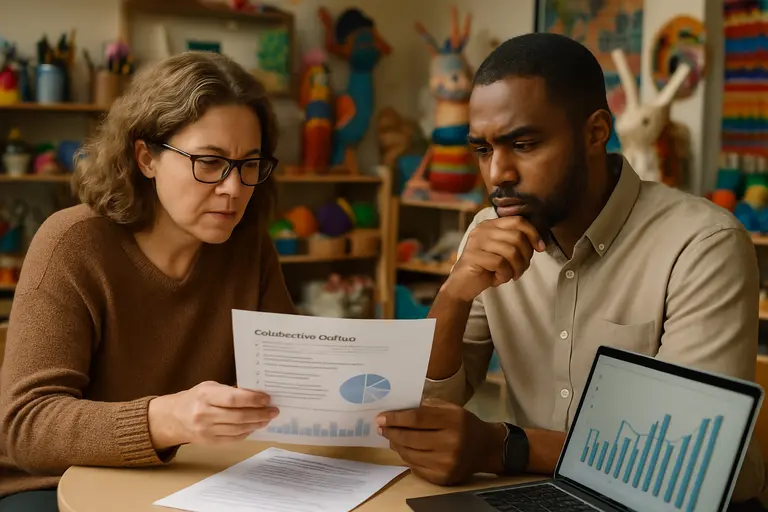
One useful evidence point comes from research on assembly-style making. The study describes structured making tasks with instructions as an on-ramp to creativity and engineering design, especially for participants who may not initially feel comfortable in makerspace settings assembly-style making research. That finding is relevant to museum craft programs because many families arrive with mixed confidence. One child may be eager; another may worry about doing it “wrong.” A caregiver may not identify as creative. Clear prompts can lower anxiety without removing choice.
This balance is central to family creativity. Too much structure can make a project feel like compliance. Too little structure can leave families unsure where to begin. A well-designed collaborative craft activity often sits between those extremes: a clear material invitation, a few safe steps, and enough openness for personal decisions. In a museum, that structure can also protect the cultural and artistic context of the exhibition. Families are not asked to imitate an artist as a style exercise; they are invited to respond to ideas through age-appropriate making.
What Families Can Learn From A Shared Table
A shared craft table makes social behavior visible. Children negotiate turns, ask for help, compare results, and see that another person’s solution may differ from their own. Adults model patience, restraint, and repair. If paper tears or a structure falls, the family can treat the problem as part of making rather than failure. That is a quiet but serious lesson in creative resilience.
The benefits should still be described carefully. The available program announcement does not provide attendance figures, participant evaluations, or long-term outcomes for these specific Fall 2026 events. Without that data, it would be speculative to claim that the New Museum programs produce measured improvements in well-being, fitness, or learning. What can be said is narrower and better supported: the museum scheduled free family art-making opportunities; those opportunities align with research suggesting structured making can help people enter creative spaces; and collaborative craft formats can reasonably support shared attention, gentle movement, and social exchange.
- Use exhibition context as a starting point, not as a demand to copy an artwork.
- Give children choices in color, scale, sequence, or material while keeping safety clear.
- Allow caregivers to assist without taking over the child’s decisions.
- Treat unfinished work, repair, and variation as part of the making process.
- Use plain language to explain any cultural, material, or artistic reference behind the activity.
Family Creativity Through Collaborative Crafting
The New Museum’s Fall 2026 schedule gives families a useful case study in how public art programs can join making, movement, and cultural interpretation. Family Day on November 1 and December 6, 2026, Sky Studio on Saturdays during the fall, and monthly teen participation through Bowery Art Space each point to a different mode of access. None of these formats should be treated as a cure-all for creativity or wellness. Their value is more grounded: they create time and space for families to make together around art.
For parents, caregivers, educators, and handmade sellers, the broader lesson is to design for trust. State the age range. Explain the material. Respect the source artwork or cultural reference. Offer structure without closing down invention. Leave room for movement, rest, and conversation. In that sense, family creativity is not only about the object a child carries home. It is also about the shared decisions, small repairs, and respectful looking that happen while the object is being made.