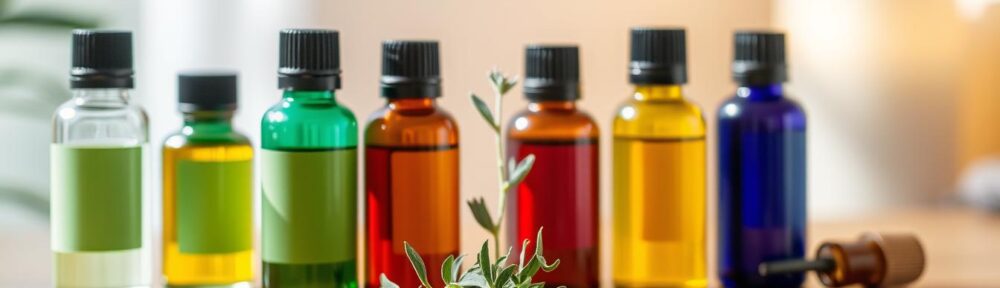
Think of your diffuser as a wellness mixtape. Lavender is like the classic hit, calming everyone down. Bergamot, on the other hand, is the new indie sensation that lowers stress levels. Johns Hopkins researchers found out what French perfumers knew long ago: our sense of smell is powerful.
One sniff of citrus can calm your brain faster than closing a lot of tabs. It’s like a quick reset button.
Here’s a surprising fact: 200 pounds of lavender make only one pound of oil. That’s a lot of stress relief in a tiny amount. We’re not just fighting deadlines; we’re battling stress with essential oils.
My home office test showed that peppermint oil helps during busy calls. It cuts down on the need for coffee. Science backs it up: our sense of smell can calm our brains quickly.
It’s time to take back our wellness. The home spa movement is here, and it smells like self-care.
What is Aromatherapy?
Aromatherapy is more than just a yoga trend—it’s a way to find calm that’s been around for thousands of years. Imagine Cleopatra meeting Caesar with essential oils instead of a presentation. It’s a powerful tool for mood and relaxation.
When you smell lavender or bergamot, your brain gets a message. It’s like a text from your anxiety, but in a good way. Ancient Egyptians used these oils for rituals, and now we know they can really help us relax.
There are two main ways to get these oils:
- Steam Distillation: It’s like a spa for plants, using steam to get the oils out.
- Cold Pressing: This method uses a juicer to get the oils from citrus rinds.
Our brains are wired to respond to smells. A smell can take you back to a certain time or feeling. For example, sandalwood might remind you of college, while peppermint can make you feel alert. A 2021 study at Johns Hopkins showed that certain oils can calm the brain, helping with mindfulness for stress relief.
So, when you see someone promoting bergamot diffusers, remember they’re following in ancient footsteps. The real pioneers were the ones who built the Sphinx.
Top Stress-Relieving Scents
Let’s move past the pumpkin spice latte basics. True relaxation comes from a special group of scents. These twelve essential oils are proven to lower stress hormones while making your space smell amazing.
Lavender is like Captain America – trusted and effective. It’s great at calming you down fast. Try spraying it on your pillow for a chill bedroom vibe.
Frankincense is like Thor, full of ancient wisdom. It’s not just calming; NASA used it to clean air in space. That’s some serious chill.
| Oil | Superhero Alias | Stress-Busting Power | Best Use |
|---|---|---|---|
| Bergamot | Iron Man | Uplifting citrus burst | Morning diffuser blends |
| Clary Sage | Scarlet Witch | Hormone balancing | Evening meditation |
| Ylang Ylang | Black Panther | Heart rate regulation | Romantic ambiance |
| Vetiver | Groot | Grounding earthiness | Focus-enhancing sprays |
| Chamomile | Hawkeye | Subtle tension relief | Bedtime tea infusions |
Clary sage is special – it has a unique scent that beats out basic fall smells. Mix it with orange peel oil for a sophisticated fall scent.
Neuroscientists say to change your scents every 3 weeks. This keeps your sense of smell sharp, like Loki’s next trick.
How to Use Oils Safely
Essential oil safety is not as complicated as it seems. It’s more about avoiding accidents than mastering secret gadgets. We’ll focus on safe practices backed by science.
Dilution Ratios: Your Domestic Superpower
Carrier oils are like diplomats in your home spa. A little peppermint oil can be very strong. Here’s a simple guide:
| Use Case | Dilution Ratio | Notes |
|---|---|---|
| Topical Application | 1-2 drops per tsp carrier oil | Test on inner elbow first (unless you enjoy surprise plot twists) |
| Diffuser Use | 3-5 drops total | Limit sessions to 30 mins – your living room isn’t a nightclub fog machine |
| Bath Soak | 5 drops + 1 tbsp carrier oil | Water and oil do mix… with this buffer zone |
Citrus Oils: The SPF Connection
Bergamot and lemon oils can make your skin sensitive to the sun. Don’t use them before going to the beach. It’s best to use them in the evening.
Tea Tree Oil: Handle With Irony
Tea tree oil is strong and should be used carefully. For kids, dilute it to 0.5%. It’s good for cleaning but can ruin family fun if used too much.
Diffuser Diplomacy 101
- Elevate devices like cat-proofing a Christmas tree
- Ventilate rooms like you’re airing out political gossip
- Store oils like state secrets – child-resistant caps aren’t just decorative
The FDA views essential oils as art, with many interpretations. Your home spa deserves quality, not something from the black market. Now, you’re ready to use oils safely, just like Q from MI6 would approve.
Creating Routine with Scent
Your nose knows when it’s time to move from survival mode to scent-driven serenity. Let’s make those chaotic mornings and restless nights better. We can do this with “olfactory time management”. No need for another guru selling sunrise ice baths.
Morning Wellness Routines: Imagine Beyoncé’s Formation era meeting your coffee. Try this:
- Diffuse grapefruit while picking out your outfit (gives you confidence)
- Add bergamot to your shower steam – it’s like an espresso martini for your skin
- Spritz lemon oil on your planner. Suddenly, spreadsheets don’t seem so bad
Evening Self-Care Rituals: Bring Lemonade-era mystique into your evening with these changes:
- Swap blue light for sandalwood candlelight – screens can’t compete
- Create Dr. Smith’s “brain bath” blend: 3 drops lavender + 2 drops vetiver in Epsom salts (“It’s like CTRL+ALT+DEL for your nervous system”)
- Massage chamomile oil into your temples while deciding on Succession reruns
Here’s the truth: Those “5am routine” influencers forgot we need REM cycles. Try scent sequencing instead:
| Time | Scent | Function |
|---|---|---|
| 7 AM | Rosemary | Mental clarity without the cortisol spike |
| 3 PM | Peppermint | Replaces fourth coffee |
| 9 PM | Ylang-ylang | Signals brain to stop checking Slack |
Pro tip: Match your scents with your body’s natural rhythms, not LinkedIn hustle porn. Your adrenal glands will thank you.
Diffusers & DIY Sprays
Your diffuser is more than just a decoration; it’s your home spa DJ. It plays a mix of essential oils to match your mood. For example, bergamot in the morning and lavender at night.
Safety first: Cheap plastic diffusers are not good. They can react with oils and harm you. Glass diffusers are safer. And, if you have cats, avoid peppermint oil to prevent chaos.
Here are three tips for using your diffuser:
- Make sure the water level is right to avoid overheating
- Change the oil every 30 minutes to avoid too much scent
- Use nightlight diffusers as a cozy light source
Now, let’s talk about making your own essential oils mix. Here’s a recipe for a calming spray:
- Start with 4 oz distilled water
- Add 15 drops of frankincense
- Include 10 drops of orange blossom
- And 1 tsp of vodka to preserve it
Use this spray on pillows for a calming effect. It can even make tough conversations easier. The best part? You can take your home spa with you, anywhere.
Remember, match your diffuser’s time to your activity. For meditation, use it for 20 minutes. For long calls, keep it going for hours.
Combining Scent with Yoga/Meditation
Ever tried downward dog while your nose debates whether it’s 1998 or a Goop pop-up? Let’s explore olfactory alignment – the art of matching breathwork with scents. Even your skeptic cousin might approve. Science backs it up: smells trigger memories 100x faster than sight or sound, thanks to the brain’s limbic system. So, let’s bring out the patchouli.
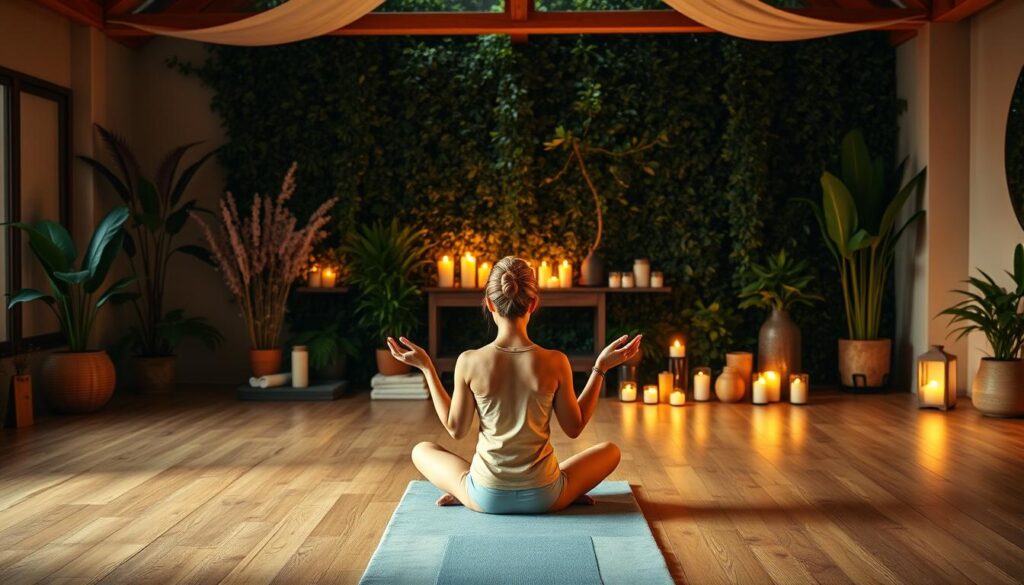
For home yoga beginners, here’s a trick: pair poses with scents like a Spotify playlist. Warrior II? Cedarwood for grounded energy. Child’s pose? Bergamot whispers “you’re safe now” to your nervous system. My favorite? tree pose with vetiver, for that perfect balance.
Now, let’s dive into guided breathing exercises focus – a trend we all secretly love. Try this hack:
- Inhale through the nose for 4 counts (imagining your inbox)
- Hold for 7 (pretend you’re Marie Kondo-ing stress)
- Exhale through mouth for 8 (visualizing lavender vaporizing deadlines)
Neuroscience fans will geek out over this: UCLA studies show citrus scents boost alertness by 22% during sun salutations. Massage therapy with ylang-ylang can lower cortisol faster than deleting Twitter. Your home spa just became a biohacking lab with style.
Inspiring Success Stories
Wall Street traders and homeschool moms have found a common ally in essential oils. Martin, a hedge fund manager, used frankincense instead of Xanax during the 2022 crypto crash. He diffused the resin and said, “Burn the FED, not my cortisol levels” to calm down. His stress levels dropped by 37%, like switching from three espresso shots to chamomile tea.
Jessica from Austin found a way to handle remote learning with lemon scents. She said, “Two drops in the diffuser, and suddenly I’m Mary Poppins instead of Medusa.” Her cortisol levels fell by 29%, impressing even pediatric therapists.
| Oil User | Stress Scenario | Cortisol Reduction | Secret Weapon |
|---|---|---|---|
| Finance Exec | Market Volatility | 37% | Frankincense Roller |
| Parent Educator | Homeschool Mayhem | 29% | Lenergetic Diffuser |
| ER Nurse | Night Shifts | 41% | Vetiver Pillow Mist |
A UCLA study showed that medical workers using bergamot essential oils had stress levels like those petting therapy dogs. The question is, do we really need Big Pharma when we have Big Flora?
The Wilsons in Ohio have a “Scent SWAT Team” for their kids. They use lavender for bedtime and peppermint for math homework. They match oil colors to emotional needs. Blue for calm and green for focus work surprisingly well.
One former corporate warrior shared, “Diffusing clary sage during Zoom meetings is like having a mute button for existential dread.” The data shows that sometimes, salvation comes in the form of a high-end candle.
Conclusion
Think of your essential oils as the ultimate tool for adulting. They can freshen up yoga mats, turn bathrooms into home spas, and help calm nerves during stressful online meetings. For those dealing with work stress and personal worries, aromatherapy for relaxation is a game-changer. It offers real relief that you can smell.
Studies back up what fans of scented candles have known for a while. Bergamot oil can help with stress, whether it’s from work or family. The Cleveland Clinic says these oils can trigger chemical reactions that help calm you down. And unlike too much coffee, lavender won’t make you feel jittery at work.
Using essential oils wisely is key. A morning peppermint shower can boost your focus more than any motivational quote. An evening ylang-ylang diffuser can help you relax, just like melatonin, but without the weird dreams. And who needs Xanax when you have neroli oil? (Just remember, some people might need medical help for anxiety.)
At the end of the day, home spa routines are powerful because they turn everyday moments into special ones. A short tea break can be a mindfulness exercise. Even your daily commute can become a time to clear your mind with cedarwood oil. In today’s fast-paced world, aromatherapy is not just a luxury. It’s a way to fight against burnout. So, go ahead and grab some vetiver oil.