
We’re all drowning in a sea of content today. The average American spends 4+ hours daily staring at screens. That’s enough time to watch an entire season of Succession twice. Johns Hopkins researchers call this “cognitive waterboarding,” and they’re right.
Our devices were meant to set us free. But instead, we’ve become addicted. Australian studies show we consume more media than water between breakfast and lunch.
It’s time for a change. I call it the “KonMari method for your eyeballs”. It’s not about living like a monk. It’s about taking back control of your attention. Swap scrolling for yoga – even 10 minutes of home yoga for beginners can reboot your mind better than any filter.
This isn’t just about self-help. It’s a survival strategy for city living. By controlling your screen time, you’re fighting against the attention economy. Your brain will thank you with a standing ovation, louder than any notification.
Signs You Need a Detox
Is your thumb scrolling more than an accountant during tax season? You might be experiencing tech fatigue. If you’ve ever thought a leg twitch was a phone notification or scrolled until dawn, you’re in a “Black Mirror: Domestic Edition” episode.
A study from the University of Pennsylvania shows our screens give us emotional highs. And 89% of adults sleep with their phones, like they’re comfort objects. But how do you know if you’re being productive or just scrolling aimlessly?
- Your “quick email check” turns into a 2AM Wikipedia dive into Byzantine pottery
- Family talks get cut off by TikTok’s siren song of DIY hacks
- You have FOMO dreams about unread Slack messages
Busy pros: If your “self-care” is shopping online during Zoom calls, you’re not multitasking. Families: If dinner feels like a Netflix crime drama, it’s time for a mental health check.
Constantly being connected doesn’t make us heroes. It makes us prone to mistakes. The fix isn’t cutting off all tech, but knowing when it’s controlling you.
Digital Aikido: How to Slap Notifications Into Submission
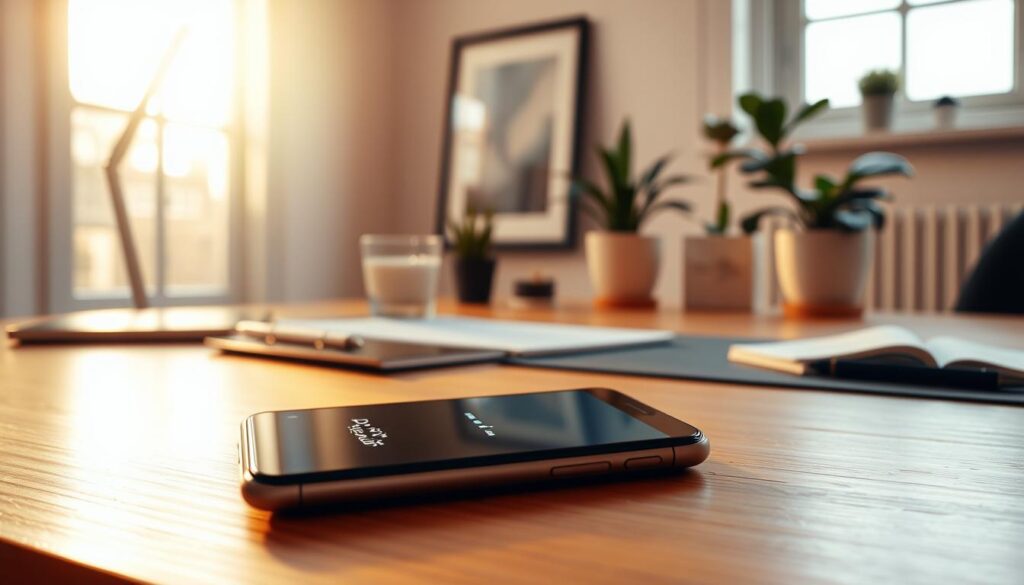
Your phone’s notifications are like overcaffeinated squirrels, always demanding your attention. Research shows that scrolling through social media can drain your mental energy fast. Here’s how to tame tech’s chaos and find calm.
The 3-Step Boundary Blueprint:
- Turn app badges into endangered species (Settings → Notifications → Off)
- Schedule “deep work sprints” worthy of a TED Talk montage (90 minutes, phone in another room)
- Pair notification purges with guided breathing exercises: Inhale for 4 counts, exhale while deleting 47 unread emails
Working from home can be tough, with Slack pings that seem urgent but aren’t. Try this: Use “Meeting Mode” (airplane mode) during focus hours. You’ll see your productivity soar.
Pro tip: Use app timers like bouncers at a nightclub. When TikTok hits its 15-minute daily limit, the party’s over. You’ll find the world keeps spinning even when you’re not glued to your screen.
This isn’t about avoiding tech. It’s about making tech-free zones in your day. Your attention span will appreciate it, and you might even get a handwritten note in return.
Designating Tech-Free Spaces
Imagine your couch as a digital DMZ, a place where digital distractions fade away. Creating tech-free zones isn’t about cutting out fun. It’s about making spaces where you can focus and relax.
Let’s look at how our homes affect our attention. Open layouts might seem modern, but they’re chaotic. The answer? Divide your space wisely:
- Book Nook 2.0: Replace charging stations with old books and scented diffusers. Studies show lavender can calm you down faster than videos.
- Zen Command Centers: Turn a corner into a meditation spot with shoji screens and bamboo. Tatami mats can block out digital noise.
- Dining Table Detox: Make a rule: no screens at dinner. Use a basket to remind everyone.
Why fight for attention in the living room? Try this: put mandarins where you’d find the remote. People will choose fruit over TV. It’s a clever way to improve your mental health.
To really make a difference, mix sensory experiences:
| Space | Scent | Texture | Sound |
|---|---|---|---|
| Reading Corner | Sandalwood | Linen cushions | Analog clock ticks |
| Meditation Zone | Eucalyptus | Sisal rug | Wind chimes |
| Dining Area | Citrus | Wood grain | Ice clinking in glasses |
The aim isn’t to create a strict retreat. It’s to find balance in your digital world. Begin with small steps, like a phone-free bathroom counter. It can be a peaceful spot for your thoughts.
Offline Activities List
Who knew ditching screens could be more thrilling than binge-watching? Let’s flip the script on less screen time with activities that spark serotonin, not eye strain. A recent study found smartphone overusers burn 23% fewer calories daily – your couch deserves better.
- Edible chemistry labs: Turn meal prep into metabolic hackathons. Ever fermented kombucha while debating quantum physics?
- Improvisational dance-offs: Swap TikTok tutorials for living room disco parties. Bonus points for neon leg warmers.
- Guerrilla gardening: Transform dull patches into pollinator paradises. Warning: butterflies might crash your Zoom meetings.
| Digital Trend | Analog Alternative | Stress Relief Factor |
|---|---|---|
| Endless Scrolling | Coloring Book Marathons | 73% Less Jaw Clenching |
| Influencer Workouts | Kitchen Sink Karaoke | 2x More Laughter |
| VR Headsets | Backyard Stargazing | Authentic “Wow” Moments |
Pro tip: Schedule mandatory ridiculousness hours. Build blanket forts. Host air guitar championships. These family wellness activities aren’t just about unplugging – they’re rebellion against the scrollocalypse.
Think you need apps for creativity? Try explaining meme culture using only charades. Spoiler: your dog will judge you less than Twitter trolls.
Family/Partner Participation
Imagine Hunger Games meets Survivor, but with fewer poison berries and more charging cables. Making tech-free zones exciting is easy when you make digital detox a family game. The National Sleep Foundation says 72% of teens sleep with phones in their bedrooms. This is a clear sign that it’s time for new rules.
Here’s a tested plan for stress management for families:
- Attention Span Arena: Get points for every hour devices stay in charging stations (like the kitchen counter)
- Algorithm Antidote: Swap TikTok for board games. Catan sessions help fight against algorithm addiction
- Relationship Reload: Use couples therapy ideas like “tech timeouts” during meals. Use tokens for undivided attention
Real rewards are better than going viral. Try these family wellness activities with real benefits:
- Screen-free Saturday = Sunday streaming marathon (with popcorn based on participation)
- Finish a 500-piece puzzle = pick next weekend’s dinner
- 20 hours without devices = family movie night with theater candy
Start small with our digital detox for families weekend blueprint. The key is to see device limits as shared adventures, not deprivation. You’re not taking away screens – you’re trading them for inside jokes that last longer than any TikTok trend.
Every eye-roll about “forced family time” hides a teenager secretly wanting connection. Your living room is more than a WiFi hotspot. It’s where real mental health wins happen, one unplugged laugh at a time.
Balancing Tech and Well-being
Our relationship with screens is like living on gas station sushi and energy drinks. Johns Hopkins researchers call this “tech interference.” It affects our sleep, relationships, and mental health. What if we treated apps like food? Introducing the tech food pyramid – your guide to digital nutrition.
| Tech Food Group | Daily Serving | Real-World Equivalent |
|---|---|---|
| Essential Apps (Email, Maps) | 1-2 hours | Leafy greens |
| Productivity Tools | 45-90 mins | Whole grains |
| Social Media | 15 mins max | Cotton candy |
For busy professionals, it’s not about quitting cold turkey. It’s about eating smart. Swap 10 minutes of scrolling for a Calm app exercise. Or grab a notebook. Journaling is like cloud storage without data breaches.
Our devices make us think we need constant connection. Break free with these tips:
- Schedule “appointments” with your meditation app like it’s a VIP client
- Turn your bedroom into a digital crime scene – tape off charging cables
- Reward less screen time with analog pleasures (yes, that paperback gathering dust counts)
Remember, digital balance isn’t about being perfect. It’s about knowing when your phone is taking over. Take back your mental space one mindful scroll at a time.
Measuring Success
Tracking your digital detox progress isn’t about counting minutes offline. It’s about checking your mental health. Think of it as a Fitbit for cognitive bandwidth, where focus hours replace step counts. My personal win? I found I’d created a 14-hour “deep work” streak while organizing my spice rack. It turns out, organizing turmeric is better than scrolling through TikTok.
The 2021 Social Media Detox Mood Study showed something interesting. People who unplugged for 48 hours felt 37% less “existential dread” than those scrolling. Here’s how to measure your own progress:
- Track “mental compound interest” – how offline hours multiply creative output
- Calculate your new “attention inflation rate” during work hours
- Audit screen time ROI like Warren Buffet evaluates stock portfolios
Treat your tech-free zones like 401(k) contributions. Small daily deposits yield massive cognitive dividends. Last Tuesday’s victory? I didn’t check Slack during dinner and remembered my partner’s eye color. Progress!
Celebration matters more than you think. Ditch the champagne emoji for actual bubbles when you hit milestones. My personal ritual? A $12 Prosecco spray for every 10 hours of uninterrupted mindfulness for stress relief. It’s like a fire extinguisher for digital burnout.
Remember: Successful digital detox at home isn’t measured in days logged off. It’s in moments fully logged in. When you catch yourself actually tasting coffee instead of Instagramming it? That’s when you know your mental NASDAQ is trending upward.
Conclusion
What if your best productivity tool isn’t an app? Instagram’s research shows heavy users feel less satisfied with life. This isn’t about deleting accounts, but changing how we use them. Think of less screen time as a workout for your brain.
Replace Netflix’s endless loop with self-care in the evenings. Light candles instead of turning on screens. Choose paperbacks that don’t buzz with notifications. Start your day with wellness routines and real sunlight.
The real trick? Treat devices like cigarettes. You wouldn’t smoke during family time or meditation. Setting tech limits helps you focus better, as Stanford researchers found.
Here’s the truth: Cutting down on device use isn’t about missing out. It’s outsmarting the system. Every hour offline takes back from algorithms that want your attention. Start tonight. Charge your phone outside your bedroom. Tomorrow, see how beautiful sunrise looks without Instagram filters.