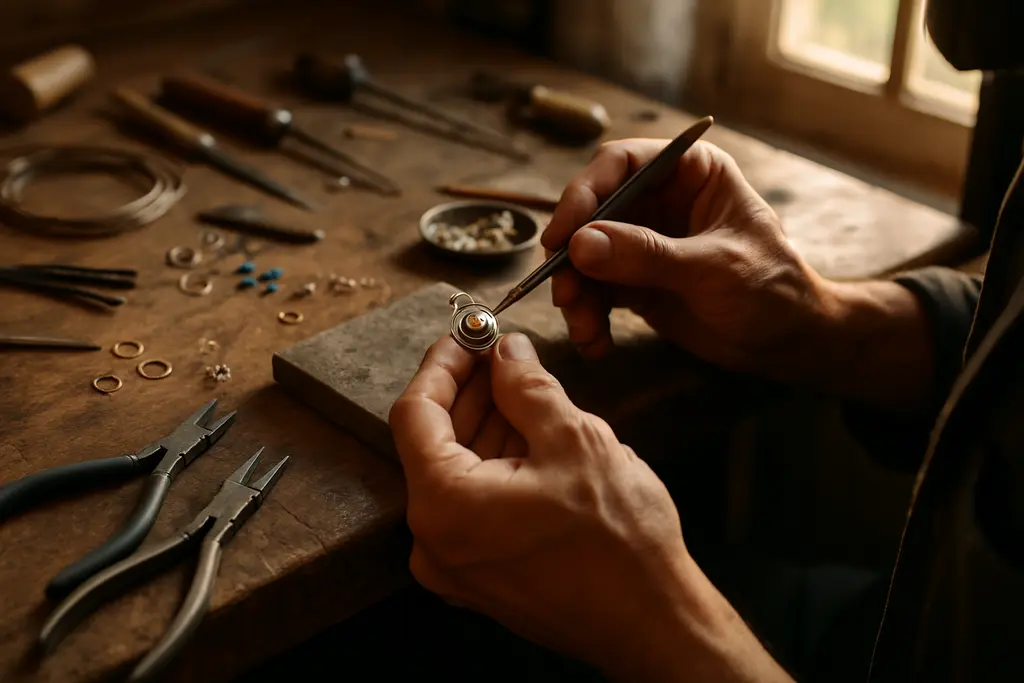
Handmade market trust is harder to earn when buyers cannot inspect materials, meet the maker, or verify whether a listing is original. Etsy’s 2026 policy updates did not settle every concern in handmade commerce, but they gave sellers and buyers clearer signals to examine: how an item was made, whether protected branding is being used without consent, how cross-border pricing is handled, and whether a purchase is eligible for platform protection.
For artists, craft sellers, fantasy fashion makers, and gift buyers, the practical question is not only whether a product looks appealing. The question is whether the listing gives enough evidence to support its claims. That evidence can include process photos, role labels, material notes, shipping origin, duty-inclusive pricing for U.S.-bound orders, and careful avoidance of protected logos or copied designs. These details do not replace personal judgment, and they are not legal advice. They help buyers ask better questions before purchasing.
Why Handmade Market Trust Needs Clearer Signals
What Etsy Changed On August 11, 2026
On August 11, 2026, Etsy updated its Unauthorized or Counterfeit Goods Policy to clarify that replicas or copies of authentic items are prohibited when they use a brand’s name, logo, or protected design without consent; the policy also says this can apply to up-cycled or re-purposed materials when protected branding or design is used without permission, according to Etsy’s counterfeit goods policy. For handmade sellers, the lesson is narrow but significant: a handmade process does not, by itself, make branded or copied elements acceptable on a marketplace.
This matters for costume-inspired accessories, altered bags, jewelry components, patches, charms, and fashion-adjacent pieces. A seller may have real skill and still create a listing that conflicts with marketplace rules if the object relies on another brand’s protected marks or design identity. Buyers should treat vague language such as inspired by luxury, designer-style, or replica as a reason to read carefully. Sellers should use original design language, explain materials honestly, and avoid implying approval from a brand or rights holder unless that approval can be shown.
Why DDP Changed The Buyer Promise
Since July 9, 2026, Etsy required sellers outside the United States who ship to U.S. buyers to include all costs, including import duties and fees, in their item prices through Delivery Duty Paid pricing. Etsy also stated that orders shipped without duties prepaid no longer qualify for Etsy Purchase Protection, and its June 2026 Newly Crafted update expanded qualified order coverage up to US $250 per eligible order even when the full order value is higher, as explained in Etsy’s seller update. This is a trust issue as much as a pricing issue.
When a buyer is surprised by a duty bill after delivery, the relationship weakens. Handmade pricing already asks buyers to value labor, material sourcing, and smaller-scale production. Adding unclear import fees can make a careful craft purchase feel uncertain. The July 9, 2026 change placed more responsibility on sellers shipping into the U.S. to present the true cost earlier in the buying process.
What Buyers Can Read In A Listing
Handmade Market Trust And Buyer Proof
Handmade market trust depends on visible proof rather than broad reassurance. A buyer does not need access to a seller’s private supplier details, but a strong listing should make the product’s origin understandable. Who designed it? Who made it? Is it handmade by the shop owner, produced with production assistance, assembled from purchased components, or sourced as a vintage or craft supply item? These distinctions shape buyer expectations.
Buyers should look for listing evidence that matches the product type. A hand-thrown mug might need clay body notes, glaze information, dimensions, and care limits. A hand-sewn cloak might need fiber content, closure details, sizing, and whether it was made to order. A fantasy accessory should avoid implying official connection to protected characters or brands. For readers intrigued by the intersection of fashion and fantasy, Fairytale Fashion offers insights into cultural and visual influences in costume design.
- Clear maker role: designed, handmade, assembled, customized, or sourced.
- Material clarity: fiber, metal, clay, wood, finish, or reused components.
- Process evidence: studio images, progress notes, or repeatable production details.
- Originality caution: no unsupported brand association or copied protected marks.
- Shipping clarity: dispatch location, timing, duties, and protection limits.
Signals That Should Prompt Questions
A listing does not become untrustworthy because it is brief, but gaps are worth noticing. If a high-priced handmade item has no process explanation, no material detail, and stock-like images, the buyer has limited evidence. If a product borrows luxury-brand language while claiming to be handmade, the buyer should read the description with care. If a non-U.S. seller ships to the United States without explaining duty-inclusive pricing after July 9, 2026, the buyer may want to ask how import costs are handled before purchase.
Evidence also protects artists. Many handmade makers work from cultural techniques, family skills, local materials, and original design choices that deserve accurate presentation. Vague product pages can flatten that labor into a decorative claim. A stronger page gives buyers enough context to distinguish an original craft object from a copied aesthetic or an unclear resale item.
How Sellers Can Respond Without Overclaiming

Process Evidence Without Imitation
For handmade market trust, sellers should treat policy compliance and artistic integrity as connected. A useful product page does not need inflated language. It needs a plain account of the maker’s role, materials, tools, production partners if any, and the limits of variation. Handmade buyers usually accept slight differences when they are explained before purchase. They are less forgiving when variation is hidden or when a listing suggests originality that the product cannot support.
Process evidence can be modest. A ceramicist can show trimming, glazing, and kiln unloading. A textile seller can show fabric selection, stitching, blocking, or hand-finishing. A jewelry maker can describe whether findings are handmade, purchased, vintage, or cast by a production partner. Sellers who want a broader checklist can compare their shop copy with Shimply’s discussion of handmade seller strategies after Etsy updates.
Pricing Clarity For U.S. Orders
The July 9, 2026 DDP requirement changed how some international sellers needed to present prices for U.S. buyers. A higher visible price can feel uncomfortable for a seller who fears comparison shopping, but a lower price that hides duties can create distrust later. For sellers, the safer communication pattern is direct: explain that the listed price for U.S. buyers includes duties and fees where required by Etsy policy, then describe shipping timing and tracking practices without promising outcomes outside the seller’s control.
Sellers should also avoid broad claims about legality, sustainability, health benefits, or cultural authenticity unless they have evidence. A handmade item can be durable, skillful, locally made, or made in small batches without being described as impact-free or officially approved. In creator commerce, restraint is often more persuasive than promotional intensity.
Handmade Market Trust After Etsy Policy Updates
A Practical Reading Of The 2026 Changes
Handmade market trust is not created by policy language alone. It is created when sellers make their work legible and buyers know what to check. Etsy’s August 11, 2026 counterfeit clarification gave buyers and sellers a firmer reference point for replicas, copied designs, and protected branding. The July 9, 2026 DDP rule gave U.S.-bound cross-border purchases a clearer pricing expectation. The purchase protection detail gave qualified buyers a more concrete view of coverage, while also showing that eligibility rules matter.
The cautious reading is that these updates improved some signals but did not remove the need for judgment. A buyer should still examine images, materials, maker roles, shipping terms, and originality claims. A seller should still document process, state limitations, avoid borrowed branding, and price in a way that does not surprise the customer later.
For handmade communities, trust is a repeated practice. It appears in the product title, the About section, the care card, the duty note, the refusal to copy protected marks, and the willingness to answer a buyer’s specific question. The strongest market signal is not a slogan about authenticity. It is a listing that lets the buyer understand exactly what is being made, who is making it, and what obligations come with purchasing it.